Enhancing Productivity Without Over-Monitoring: A Smarter Way
Learn how to boost productivity by finding the right balance in employee monitoring, focusing on key indicators, and maintaining transparency for a driven team.
The productivity of your team is important, but the line between smart monitoring and over-monitoring is very thin. Monitoring every second of time and activity of employees can create stress, diminish trust, and even hurt performance. However, without any monitoring, you will have inefficiencies and missed deadlines.
So, how do you find the right balance? The key is to use monitoring as a productivity tool, not a control mechanism. A smarter approach allows you to track progress, enhance efficiency, and build trust without making your team feel micromanaged. In this case, let’s see how you can improve without over monitoring.
How Much is Employee Monitoring Too Much?
Employee monitoring is meant to increase productivity, but too much of it can be counterproductive. Employees may feel stressed, uncomfortable and even frustrated when they feel like they are being watched all the time. This excessive monitoring creates a culture in which employees spend more time trying to avoid surveillance than in doing quality work. It can also lower trust between you and your team, consequently reduce engagement, and raise turnover.
Therefore, how do you know if you are monitoring too much? A key warning sign is when tracking shifts from measuring productivity to controlling every move. For instance, it is reasonable to track login and logout times, but not every keystroke or monitoring employees through their webcams. Employees need to be able to think, communicate, and collaborate naturally without being judged every second.
Instead of tracking every action, concentrate on meaningful performance indicators. Are projects being completed on time? Is overall productivity improving? Are employees working hard on their work? These questions are more important than monitoring every website visit or mouse movement. When monitoring is done in a balanced way, it supports productivity rather than disrupting it.
Boost productivity without micromanagement—try Time Champ today!
Start your free trial today and see the difference.
Productivity Enhancement – A New Way of Positive Employee Monitoring
Traditional employee monitoring is often about tracking every move, and this can feel restrictive and counterproductive. A smarter approach is to use monitoring as a productivity enhancer rather than a control tool.
Positive employee monitoring is all about shifting the focus from surveillance to support. Instead of micromanaging every action, you use data to find out where workflows can be improved, bottlenecks can be removed, and employees can be better served. This kind of approach allows you to identify inefficiencies, see how work is distributed and give the right tools or training to improve productivity without being stressful.
The idea is to enable your team to be empowered through monitoring and not feel watched. When it’s done right, however, it makes employees feel more engaged and it increases efficiency and promotes accountability.Productivity enhancement should aim to empower employees through better workflows and tools. For example, AI-powered platforms help teams streamline omnichannel communication and automate routine tasks, enabling greater efficiency without constant oversight.
How to Do It: Steps for Implementing Positive Employee Monitoring
Here are some important steps to follow when implementing positive employee monitoring.
1. Set Clear Goals
Define the purpose of employee monitoring before implementing it. Are you looking to increase efficiency, ensure deadlines are met, or identify workflow bottlenecks? The monitoring should have a clear objective, not just to track activities without reason. Employees are more likely to accept the purpose when they know what it is. Focus on productivity rather than unnecessary control and ensure that your approach helps the business and employees.
2. Choose the Right Tools
It is important to select the right employee monitoring tools to keep a productive and ethical workplace. Look for software that matches with your requirements and protects the privacy of your employees. If the goal is to improve time management, use tools that track hours worked and tasks completed, not every mouse movement or keystroke. The right tools should allow employees to feel as though they are not under constant surveillance while still providing useful insights.
3. Be Transparent with Employees
Clearly explain what will be monitored, why it is necessary, and how the data will be used. When employees know, they don’t feel like monitoring is about control. Describe how the system helps them by streamlining workflows, workload balancing, and avoiding bottlenecks, etc. Transparency is important to build trust and also ensures that monitoring does not lead to unnecessary stress and increases performance.
4. Focus on Insights, Not Surveillance
Instead of tracking every small action, focus on meaningful insights that will improve productivity. Monitoring should help you to understand the work patterns, task progress, and team efficiency rather than micromanage employees. The data can be used to find out the challenges such as workload imbalances or time-consuming tasks and implement solutions that enhance efficiency without making your employees feel pressured.
5. Use Data to Support Employees
The mission of monitoring should be to provide support, not punishment. If you notice delays or performance issues, focus on finding solutions such as improving task distribution, offering additional training, or refining workflows. Employees will be more engaged when they see that monitoring is being used to help them succeed rather than to find faults. A supportive approach fosters a positive work environment and boosts motivation.
6. Encourage Feedback
Allow employees to share their thoughts and concerns so you can make monitoring a two way process. Ask them regularly if they feel the system is fair and if it helps them become more productive. So if employees feel micromanaged or stressed, adjust your approach to make a balance. Open discussions about monitoring makes sure that it remains a tool for progress rather than a source of frustration.
How Positive Employee Monitoring Helps
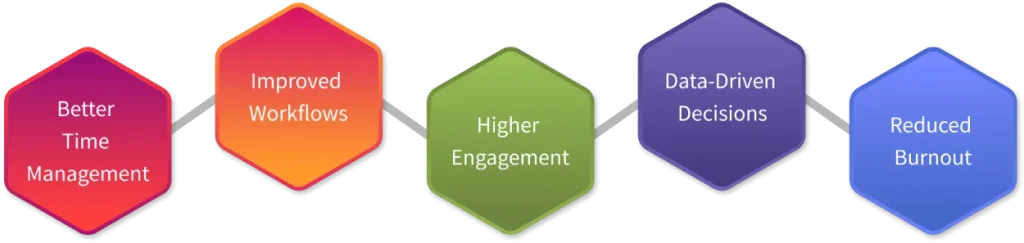
Positive employee monitoring provides useful information that can be used to optimize your business without resorting to micromanagement. Here’s how it can help your organization.
1. Better Time Management:
By tracking how time is spent and you can find ways to improve and how to help your team become more efficient.
2. Improved Workflows:
Monitoring enables you to spot delays or inefficiencies in processes & tasks, and you can therefore improve the efficiency of the processes and increase productivity.
3. Higher Engagement:
Transparency in monitoring and its use for support makes employees trust you and get motivated, which results in higher engagement and job satisfaction.
4. Data-Driven Decisions:
Positive monitoring gives you data on productivity trends, which lets you make informed decisions rather than assuming.
5. Reduced Burnout:
Balancing the workloads can prevent employees from getting overwhelmed, and burnout, and maintain a favorable working environment.
Optimize productivity with smart monitoring—get started with Time Champ now!
Start your free trial today and see the difference.
Enhancing Productivity with Time Champ: A Smarter Approach to Monitoring
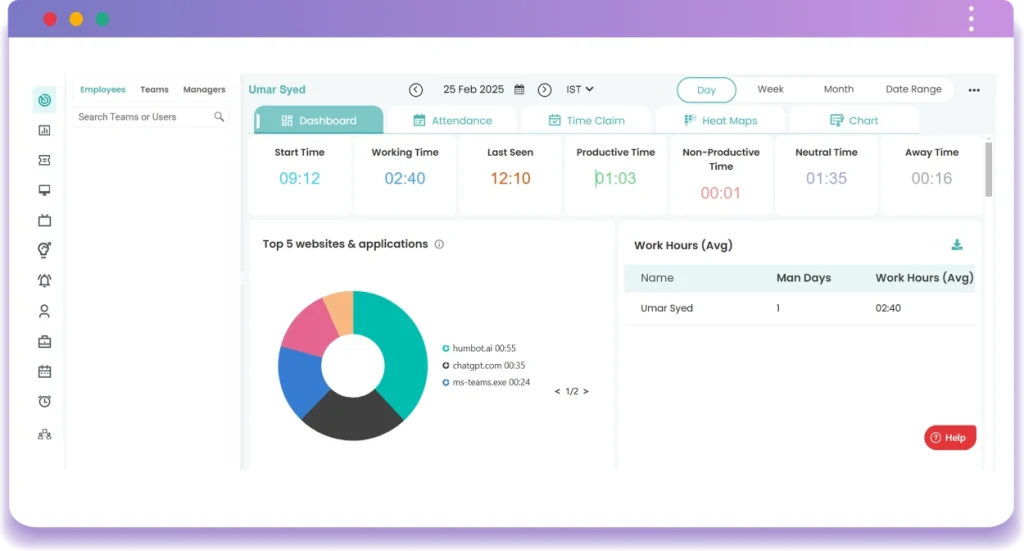
Time Champ is a tool that lets you increase productivity without crossing the line into over-monitoring. Time Champ enables you to leave behind the micromanagement of every action, track what’s happening in real time, and gain insights into how work is progressing so you can make decisions based on data, not assumptions. It allows you to find bottlenecks, track the task progress, and whether the deadlines are being met without making the employees feel that they are being watched or stressed.
Time Champ offers flexible monitoring instead of a rigid system, it allows managers to choose what to track rather than monitor every single action. With no need for unnecessary surveillance, you can concentrate on key performance metrics such as task completion, project timelines, and workload distribution. This approach makes monitoring purposeful and in line with business goals but not intrusive.
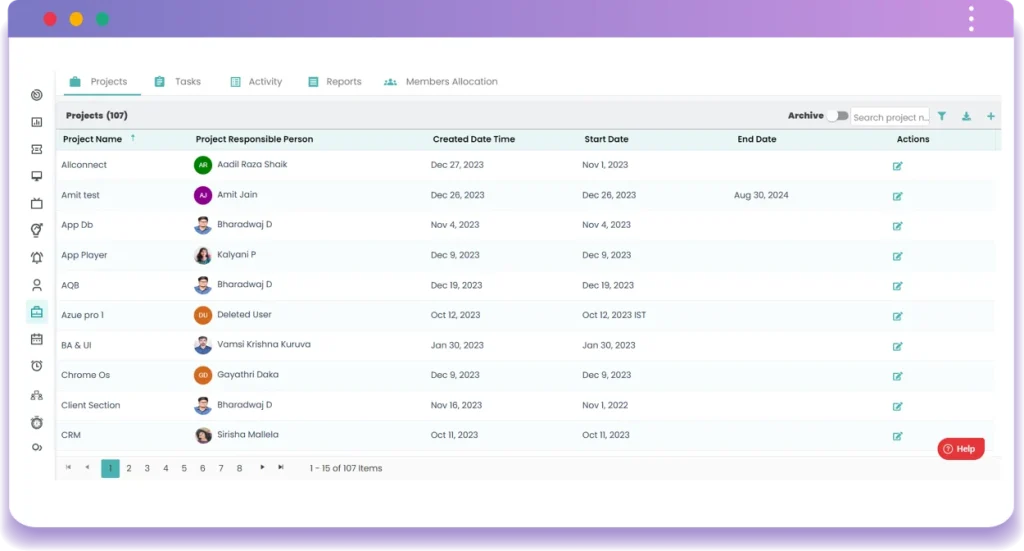
To further ensure employees feel secure with their data, Time Champ includes role-based access controls. This means only authorized personnel can access specific monitoring data, preventing misuse and maintaining privacy. Employees can work confidently, knowing that monitoring is done ethically and with clear boundaries.
Time Champ allows you to focus on performance indicators such as task completion and overall productivity to streamline workflows and make data-driven decisions to improve team efficiency. It creates a workplace where monitoring is positive and transparent, where productivity is increased, not every move controlled. This approach will help increase employee engagement and trust, and as a result, performance will improve without the stress of being watched all the time.
Conclusion
To avoid over-monitoring, it is important to find the right balance in employee monitoring, which will result in increased productivity. When you focus on meaningful performance indicators, supporting workflows, and maintaining transparency, you give your team reason to feel trusted and motivated. With a smarter way to approach, and by doing so, you will increase efficiency, decrease stress, and give your employees more power to increase their engagement and get better results for your business.
Optimize your team's productivity and enhance engagement with Time Champ's smarter monitoring approach!
Start your free trial today and see the difference.

Tarun Kumar Reddy

Table of Content
-
 How Much is Employee Monitoring Too Much?
-
Productivity Enhancement – A New Way of Positive Employee Monitoring
-
How to Do It: Steps for Implementing Positive Employee Monitoring
-
How Positive Employee Monitoring Helps
-
Enhancing Productivity with Time Champ: A Smarter Approach to Monitoring
-
Conclusion
Related Blogs

Analyze and improve employee performance with ‘Lifetime Heat Maps’ for detailed insights and data-driven results.
Thasleem Shaik | 18 March 2025
Explore Time Champ’s new Audio Tracking feature. Monitor employee activity with audio and screen recording for detailed insights.
Shabana Shaik | 18 March 2025
Discover the best ways to introduce productivity monitoring in your organization smoothly and effectively.
Thasleem Shaik | 18 March 2025
Boost team productivity and performance with effective tracking methods. Enhance productivity through data-driven insights and actionable strategies.
Shabana Shaik | 17 March 2025
Productivity Tracking Software helps remote teams stay on top, track progress, streamline workflows & boost efficiency effortlessly. Learn more!
Shabana Shaik | 15 March 2025
Boost employee productivity with workday insights that improve efficiency, streamline workflows, and drive better performance.
Thasleem Shaik | 13 March 2025


 4.7/5 avg.
Ready to Manage Your Workforce Smarter?
Join our family of 1100+ companies using smart insights to redefine workforces!

Free Trial
No Credit Card Required