Time Management for Employees: Challenges & Effective Tips
Learn about time management for employees, its challenges, and effective tips to improve productivity, work efficiency, and overall workplace performance.

Most workdays do not fall apart because of a lack of effort. You stay busy from morning to evening, answering messages, attending meetings, and handling tasks, but still, at the end of the day, you feel like essential tasks did not move forward.
A large part of the problem is how the day gets split into small interruptions and shifting priorities, leaving very little uninterrupted time for real work.
Time management for employees becomes important here because the issue is not effort, but how time gets used throughout the day.
I will help you understand why employees run out of time, the common challenges behind it, and practical ways to take control of your workday.
What Is Time Management?
Time management is the practice of planning, prioritizing, and organizing your time effectively to complete tasks on time, improve productivity, and reduce stress.
Time management has two parts. One is your personal skill, how you plan your work, decide what to do first, and stay focused. The other is the work environment, things like interruptions and changing priorities that affect your focus.
You control your own planning and focus. The environment determines how easy or difficult it is to follow.
When time management goes wrong, it usually shows up as late or unfinished work. Sometimes it happens because it is hard to prioritize tasks. Other times, it is because the workday keeps getting interrupted, leaving no proper time to focus.
The result may look the same, but the reasons are different.
Advantages of Effective Time Management
Effective time management helps you stay organized, complete work more easily, and reduce unnecessary stress. It also improves focus and makes it easier to manage responsibilities without feeling overwhelmed.

1. Improves Productivity
When your time is organized properly, it becomes easier to complete tasks efficiently and focus on essential work. Proper planning also reduces distractions and helps you use your workday more effectively.
2. Reduces Stress
Clear schedules and priorities help reduce confusion and last-minute pressure. When you know what needs to be done and when to do it, your workload feels more manageable and less stressful.
3. Improves Work Quality
Better time management gives you enough time to focus on tasks carefully instead of rushing through them. This helps reduce mistakes and improves the overall quality of your work.
4. Creates Better Work-Life Balance
Managing your time effectively can prevent work from extending beyond office hours. This helps you maintain a healthier balance between work responsibilities and personal time.
5. Increases Job Satisfaction
When your workload feels organized and manageable, work becomes less overwhelming and more productive. This can improve motivation, confidence, and overall job satisfaction.
Most Common Time Management Challenges
Managing time at work is not always about effort or discipline. In many cases, daily interruptions, changing priorities, and overloaded schedules make it difficult to stay focused and complete important work on time.
Here are the challenges most likely behind that gap:
| Challenge | What It Looks Like | Quick Fix |
|---|---|---|
| Unclear priorities | You stay busy, but still important work gets delayed | Create a daily priority list before starting work |
| Constant interruptions | Messages, calls, and meetings keep breaking your focus | Set specific focus hours and reduce distractions |
| Too many meetings | Most of your day gets spent in calls instead of actual work | Attend only necessary meetings and keep agendas clear |
| Multitasking | You switch between tasks and struggle to finish work | Focus on one task at a time whenever possible |
| Procrastination | Difficult tasks keep getting delayed | Start with the most important or hardest task first |
| Lack of planning | You react to tasks instead of following a schedule | Plan your day before work begins |
| No clear boundaries | Work keeps extending beyond office hours | Set realistic work limits and break times |
If you want to learn more, check out our detailed guide on common time management challenges and how to overcome them.
Time Management Techniques That Actually Work
The best time management techniques are usually the ones that are easy to follow and practical to use during a busy workday. They help you stay organized, reduce distractions, and focus better on important tasks.
| Technique | Best For | How to Use It |
|---|---|---|
| Eisenhower Matrix | Prioritizing tasks | Divide tasks into urgent, important, delegate, and eliminate categories |
| Time Blocking | Deep focused work | Set dedicated time blocks for important tasks and avoid interruptions |
| Pomodoro Technique | Improving focus | Work for 25 minutes, take a 5-minute break, and repeat |
| Task Batching | Reducing task switching | Group similar tasks like emails, calls, or admin work together |
| Two-Minute Rule | Managing small tasks | Complete tasks immediately if they take less than two minutes |
| Eat the Frog | Avoiding procrastination | Start your day with the hardest or most important task |
The right technique depends on your work style and daily responsibilities. The key is choosing a method you can follow consistently without making your workflow more complicated.
If you want to learn more about time management techniques in detail, check out our full guide to 20 essential time management techniques.

Did You Know?
The Eisenhower Matrix is the most successful time management method.
How To Improve Time Management Without Feeling Overwhelmed?
Most time management advice asks you to change everything at once. A new routine, a detailed schedule, or a productivity system that feels difficult to maintain. In reality, small changes are often easier to follow and more effective in the long run.
1. Start with Your Most Important Task
Before checking emails or messages, identify the one task that will have the biggest impact on your day. Dedicate your first hour to that task before other work competes for your attention.
2. Track Where Your Time Goes
Many employees underestimate how much time is lost to interruptions and routine tasks. Tracking your work hours for a few days can reveal patterns that make it easier to identify distractions and improve planning.
3. Reduce Task Switching
Constantly moving between emails, meetings, messages, and projects makes it harder to stay productive. Group similar tasks together and complete them during dedicated time blocks whenever possible.
4. Protect Your Most Productive Hours
Everyone has certain hours in the day when their focus and energy are naturally higher. Use those hours for important work that requires concentration and decision-making.
5. Ask for Clarity Early
Unclear priorities often lead to wasted time and rework. If tasks or expectations are unclear, ask questions early instead of spending hours working in the wrong direction.
Small improvements like these can make a noticeable difference over time. The goal is not to create a perfect schedule but to build work habits that help you stay focused, organized, and productive throughout the day.
Struggling to Stay on Top of Your Workday?
Stop wondering where the day went and start managing your time with confidence.
How To Know If Your Time Management Is Improving?
Time management improves gradually through small changes in your daily routine. Instead of focusing on how busy you feel, pay attention to whether your work is becoming more organized and manageable.
Signs your time management is improving:
| Sign | What It Looks Like |
|---|---|
| Better focus | You spend more uninterrupted time on important work. |
| Fewer missed deadlines | Tasks are completed on time more consistently. |
| Less multitasking | You finish tasks before constantly switching to new ones. |
| Improved planning | Your daily priorities become clearer and easier to manage. |
| Reduced stress | Your workload feels more controlled throughout the day. |
| Better productivity | Important work gets completed without last-minute pressure. |
How Time Champ Improves Time Management for Employees
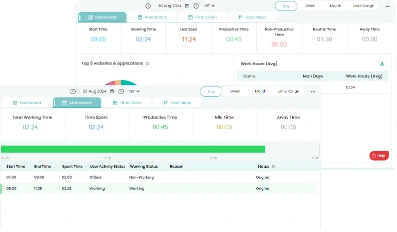
Time Champ is an employee time tracking and monitoring software with workforce intelligence features designed to help you manage work more effectively. It helps you understand how your work hours are being spent, identify productivity gaps, and improve focus during the workday.
Time Champ helps you understand where your work hours go, identify distractions and plan your day more effectively so important tasks stay on track.
Key Features That Support Better Time Management
- Time Tracking: Tracks how much time you spend on tasks, projects, and daily work activities throughout the day.
- Productivity Reports: Provides insights into productive and non-productive work hours to help you understand your work patterns better.
- Task Monitoring: Helps you keep track of task progress, pending work, and daily workload more efficiently.
- Focus & Work Pattern Insights: Identifies distractions, interruptions, and focus patterns to help improve concentration.
- App & Website Usage Tracking: Helps identify distractions and time spent across different tools and websites.
- Automatic Project Time Tracking: Tracks time spent on projects and tasks automatically without manual effort.
- Scheduling and Shift Management: Helps organize work hours, schedules, and daily planning more efficiently.
- Productivity Heatmaps: Identify the hours when you are most productive so you can schedule important work accordingly.
- Expected vs Actual Work Activity: Compares planned work time with actual activity to improve time planning and consistency.
- Reports and Productivity Insights: Provides detailed insights into work habits, focus patterns, and productivity trends.
Using the right time management tools can help you stay more organized, reduce distractions, and understand how your workday is actually being spent.
Manage Your Time Better with Time Champ!
Track your time, reduce distractions, and focus on the work that matters most.
Conclusion
Time management for employees is not about staying busy throughout the day. Small changes like setting priorities, reducing distractions, and following a clear routine can improve focus and productivity over time. With the right techniques, habits, and tools, you can manage workloads, stay organized, and create a more balanced and productive workday.

Jahnavi Pulluri

Table of Content
 What Is Time Management?
- Advantages of Effective Time Management
- Most Common Time Management Challenges
- Time Management Techniques That Actually Work
- How To Improve Time Management Without Feeling Overwhelmed?
- How To Know If Your Time Management Is Improving?
- How Time Champ Improves Time Management for Employees
- Conclusion
Related Blogs
Uncover the chaos of a day without time tracking. Explore how managers struggle with productivity, accountability, and team coordination in this insightful read.
Jahnavi Pulluri | Oct 25, 2024
Create a clear time tracking policy to boost productivity and ensure accurate work-hour reporting. Download a free customizable template.
Thasleem Shaik | Oct 04, 2024
Discover effective time tracking methods to boost efficiency, manage resources, and ensure timely project delivery. Find the best method for your organization.
Tarun Kumar Reddy | Aug 16, 2024
Learn the key pros and cons of time tracking to enhance employee productivity and manage challenges effectively.
Thasleem Shaik | Aug 17, 2024
Unorganized work hours? Time tracking categories bring clarity, optimize workflows, and boost productivity. Learn how to set them up effectively.
Thasleem Shaik | Nov 08, 2024
Discover effective ways to build employee trust in automatic time tracking software and create a transparent, productive, and positive work environment.
Thasleem Shaik | Mar 13, 2025


 4.7/5 avg.
Ready to Manage Your Workforce Smarter?
Join our family of 1500+ companies using smart insights to redefine workforces!

Free Trial
No Credit Card Required