How to Create a Time Management Plan: 6 Easy Steps & Tips
Learn how to build a time management plan that aligns roles, goals, and schedules. A practical, step-by-step guide to lead your team with clarity.

If your day feels full but the important work still stays unfinished, the problem usually is not time. The real issue is the lack of a clear time management plan. Without a proper plan, tasks start piling up, priorities keep changing, and work begins to move without clear direction.
That lack of structure slowly affects focus, deadlines, and daily productivity. Small delays turn into missed timelines, follow-ups take more time, and even simple work starts feeling harder to manage. This guide will help you create a practical time management plan with clear steps, useful techniques, and a better way to organize work with more clarity and control.
What Is a Time Management Plan?
A time management plan is a structured way to organize tasks, priorities, schedules, and daily work more effectively. It helps you decide what needs attention first, how much time each task requires, and how to complete work without unnecessary delays or confusion.
A good time management plan creates better control over workloads, deadlines, and daily responsibilities. Instead of reacting to work throughout the day, you follow a clear system that helps you stay focused and use time more effectively.
In simple terms, time management helps you plan work with better structure and consistency. A strong plan improves focus, reduces wasted time, supports better decision-making, and helps work move more smoothly across projects and daily tasks.
6 Steps to Create Your Time Management Plan
Most employees think they have a time problem, but the real issue is poor planning. 82% of people do not use a time management system, and the average worker spends 51% of the day on low-value tasks. Without a clear plan, shifting priorities and constant interruptions push important work aside. A proper time management plan gives your day structure before distractions take over. Here's how to build one that keeps your work focused and manageable.
Step 1: Set Clear Goals for Your Time
Before you block a single hour, you need to know what you are actually using that time for. Without clear goals, the day quickly fills with work that feels productive but does not move anything forward. Write goals in a specific and time-bound way so you know exactly what needs to get done and when.
"Work on the project" is not a goal. "Finish the first draft of the client proposal by Thursday at 3 PM" gives you a clear outcome and deadline to work toward. That level of clarity makes it easier to plan your schedule, focus on the right tasks, and build a time management plan that supports meaningful progress instead of constant busy work.
Step 2: Map Roles and Responsibilities
Once the goal is clear, define who owns what. When a task belongs to everyone, accountability usually disappears, and work starts slowing down. For every major deliverable, assign one owner who stays responsible for making sure the work moves forward and reaches completion, even when multiple teammates contribute to it.
A simple way to organize this is the RACI approach. For each task, identify who is responsible for doing the work, accountable for the outcome, consulted for input, and informed about progress. This level of clarity helps you avoid confusion, improve collaboration, and build more effective team management across daily work.
Step 3: Break Goals into Tasks and Milestones
Big goals become difficult to manage when the work stays undefined. Once the goal is clear, break it into smaller tasks that your team can start working on immediately without confusion or constant follow-ups. Start by identifying what needs to happen each week and turn the work into clear action steps with realistic deadlines.
Along with tasks, set milestones where real progress should become visible, not just busy activity. This type of teamwork planning helps you track whether the work is actually moving in the right direction and makes it much easier to manage workloads, timelines, and priorities.
Step 4: Set Deadlines and Allocate Resources
Deadlines only work when they match the actual workload. Review tasks based on skill sets, priorities, and available capacity before assigning deadlines. Proper capacity planning helps you identify overloaded workloads early. Strong resource management also gives your team enough flexibility to handle shifting priorities and unexpected work without affecting the overall schedule.
Step 5: Set Time Blocks and Protect Them
Scheduling a task is easy. Protecting time for it is what actually improves productivity. Time blocking helps you reserve specific hours for specific tasks so interruptions, last-minute requests, and constant context switching do not control your day.
Treat those blocks like important meetings and avoid replacing them with less important work. This type of time planning helps you stay focused, manage your schedule more realistically, and understand where your time actually goes throughout the day.
Step 6: Track Progress and Adjust as You Go
A plan only works when you review it regularly. Take a few minutes at the end of each day to check whether you completed the tasks you planned and identify what interrupted your schedule. At the end of the week, review whether your time actually went toward your most important priorities or whether certain tasks continued taking longer than expected.
94% of workers agree that better time management improves productivity, but real improvement only happens when you regularly review your plan and make adjustments based on what is working and what is not. If you use productivity and time tracking software like Time Champ, you can automatically track work patterns, monitor productivity trends, and make better scheduling decisions using real data instead of guesswork.
When you can clearly see where time goes, planning your day becomes much easier.
Best Practices for Successful Time Management
A good time management plan becomes much easier to follow when you build the right daily habits around it. Small changes in how you plan, prioritize, and manage distractions can improve focus and help you use your time more effectively. Below are some practical time management practices that can help you stay organized and productive without making your schedule feel overwhelming.
1. Prioritize Important Work First
Start your day with the tasks that create the biggest impact instead of spending your best hours on small or low-value work. Important tasks usually need more focus and energy, so completing them early helps you stay productive and prevents important deadlines from piling up later.
2. Avoid Multitasking
Handling multiple tasks at the same time usually lowers focus and increases mistakes. According to the American Psychological Association, switching between tasks can reduce productivity by up to 40%. Focusing on one task at a time helps you complete work faster, improve accuracy, and maintain better concentration throughout the day.
3. Reduce Unnecessary Distractions
Frequent notifications, random meetings, and constant context switching can quietly consume hours of your day. Limiting distractions during focused work sessions helps you manage time more efficiently. Simple changes like turning off notifications or scheduling meeting-free focus hours can help you concentrate better and complete important tasks without constant interruptions.
4. Leave Space Between Tasks
Overloading every hour of your schedule can quickly create stress and delays. Leaving small gaps between tasks gives you the flexibility to handle unexpected work without disrupting your entire plan. Short breaks between tasks can also help you reset your focus and avoid mental fatigue during long workdays.
Common Time Management Plan Mistakes to Avoid
Even a well-planned schedule can fail when small planning mistakes repeat everytime every day. Below are some common mistakes that can affect your time management strategy and how you can avoid them.
1. Skipping the Time Audit
Many schedules fail because they are built on habits that already waste time. Before creating a new routine, you need to understand where your hours actually go each day. Almost 49% of workers never perform a time audit, which makes it harder to identify low-value tasks and time-consuming habits. Without proper tracking, it becomes easy to underestimate how long tasks really take and overlook the small distractions that reduce productivity throughout the day.
2. Treating Every Task as Equally Important
When every task feels urgent, your schedule quickly turns into a long list of busy work without clear direction. Some tasks directly support your goals, while others can wait or may not need your attention at all. Prioritizing work before scheduling it helps you focus on high-impact tasks instead of spending the entire day reacting to everything equally.
3. Overloading Your Schedule
A packed schedule may look productive, but it often creates more stress than progress. When every hour is fully booked, even small interruptions can disrupt your entire day. Leaving buffer time between tasks helps you handle unexpected work more easily and gives you enough space to focus properly instead of rushing through everything.
4. Never Reviewing the Plan
A schedule that stays the same for too long usually stops working well. Workloads, priorities, and deadlines change regularly, so your planning should change with them. Taking a few minutes each week to review your schedule, update priorities, and fix what is not working helps you manage time more effectively and keeps your routine aligned with your current workload.
Improve Your Daily Time Management with Time Champ
Managing time becomes much easier when you can clearly see where your work hours actually go. Instead of relying on manual tracking, memory, or scattered schedules, having one system to monitor tasks, productivity, and work patterns helps you plan your day with better structure and consistency. That visibility makes it easier to identify distractions, improve focus, and organize work more effectively across daily priorities.
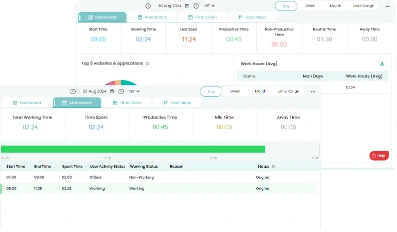
Time Champ is an employee time tracking and monitoring software with workforce intelligence capabilities that helps you manage work hours, productivity, task timelines, and daily activities from one place. It automatically tracks time, monitors application and website usage, shows productivity trends, and helps you understand how your team spends time throughout the workday.
With features like automatic time tracking, productivity analytics, attendance monitoring, and detailed reports, you can build a more practical schedule, improve time management, and make better planning decisions using real work data instead of assumptions.
Small delays and interruptions can quietly consume hours from your workday.
Track time, monitor activities, and manage work schedules more efficiently with Time Champ.
Conclusion
A good time management plan is not about filling every hour with work or following a perfect routine every single day. It is about creating enough structure to focus on what actually matters without feeling constantly rushed or overwhelmed. Small changes in how you plan, prioritize, and manage your time can make daily work feel more organized, productive, and easier to handle. The key is to build a plan that fits your workload, review it regularly, and keep improving it as your priorities change.

Thasleem Shaik

Table of Content
 What Is a Time Management Plan?
- 6 Steps to Create Your Time Management Plan
- Best Practices for Successful Time Management
- Common Time Management Plan Mistakes to Avoid
- Improve Your Daily Time Management with Time Champ
- Conclusion
Related Blogs

Explore 17 frequently asked questions about time tracking tools, including productivity, remote work, payroll, monitoring, features, and business benefits.
Anjali | May 19, 2026
Discover how remote team communication and accountability improve with time tracking, helping teams build trust, visibility, and better work habits.
Anjali | May 19, 2026
Discover essential time-tracking features that improve productivity, payroll accuracy, and workforce visibility, and learn how to use them effectively.
Guna Lakshmi | May 16, 2026
Download our professional time tracking discrepancies template to identify, report, and resolve timesheet and attendance mismatches efficiently.
Jahnavi Pulluri | May 14, 2026
Learn how to measure the ROI of digital time tracking software with a practical cost benefit analysis template for productivity and cost savings.
Jahnavi Pulluri | May 15, 2026
Explore the latest time tracking statistics for 2026, including productivity trends, AI insights, remote work data, and workforce analytics.
Thasleem Shaik | May 22, 2026


 4.7/5 avg.
Ready to Manage Your Workforce Smarter?
Join our family of 1500+ companies using smart insights to redefine workforces!

Free Trial
No Credit Card Required