Difference Between Timekeeping and Time Booking (2026)
Learn the difference between timekeeping and time booking, reduce payroll errors, improve billing accuracy, and gain clear visibility into team productivity.
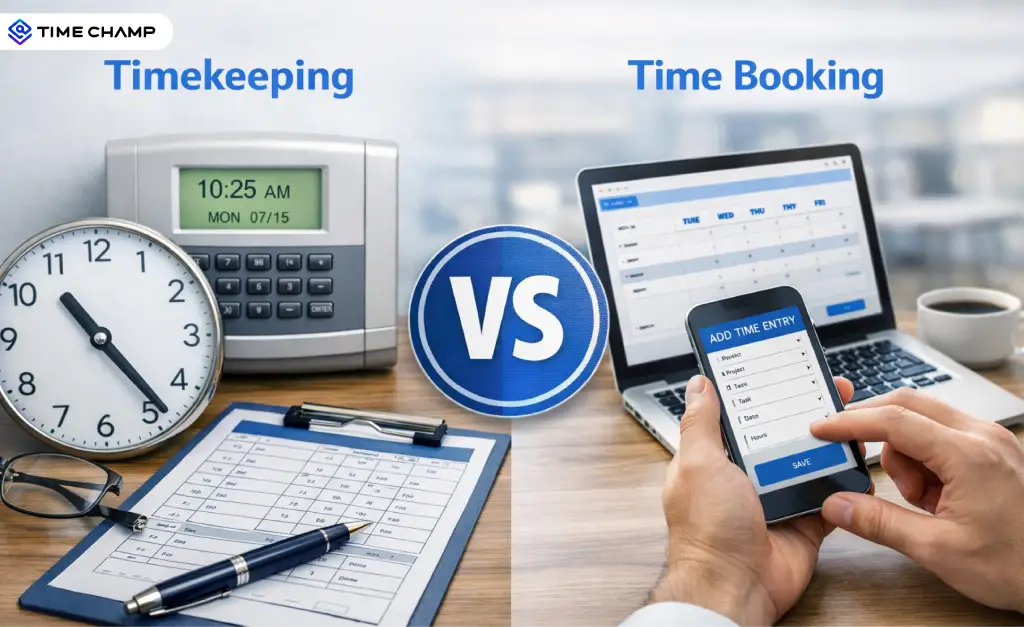
Many businesses track work hours, yet they often confuse timekeeping and time booking, and this confusion results in billing mistakes, payroll problems, and a lack of visibility into how teams spend their time. You may lose control of productivity, project costs, and workforce planning when you fail to clearly identify the difference between timekeeping and time booking.
You need a clear system that will assist you in recording time accurately and allocating it correctly. In this blog, you will learn the meaning of timekeeping and time booking, the main differences and similarities between the two, and when to use each of them.
By the end, you will understand how to select the appropriate approach, enhance the accuracy of time tracking, manage project costs, and make better decisions for your team.
What Is Timekeeping?
Timekeeping refers to the process of recording the time employees begin work, the time they finish work, and the time they take breaks throughout the day. It captures the total hours worked to enable you to maintain proper attendance records and to have proper payroll processing. Timekeeping provides you with a clear picture of workforce availability and working patterns. It assists you in keeping track of compliance and managing employee time in a structured way.
- Scope: Timekeeping covers daily work hours, shift timings, overtime, breaks, and employee attendance records.
- Focus: It focuses on when employees work and how many hours they complete within a given period.
- Key Functions: It supports payroll accuracy, attendance tracking, overtime calculation, and compliance with labor policies.
- Example: An employee clocks in at 9 AM, takes a 30-minute break, and clocks out at 6 PM. The system records the total hours worked for payroll.
What Is Time Booking?
Time booking refers to the process of assigning work hours to particular projects, tasks, clients, or internal activities. It assists you in understanding how your team spends time on various tasks. You can see effort, project costs, and performance by booking time against specified work categories. This enables you to monitor progress, facilitate proper billing, and resource planning.
- Scope: Time booking covers project work, client assignments, internal tasks, and both billable and non-billable activities.
- Focus: It focuses on showing where you spend time and how it contributes to project and business outcomes.
- Key Functions: It supports project cost tracking, client billing, workload distribution, and performance monitoring.
- Example: A project manager books three hours to client reporting and five hours to product development in one day.
What Are the Key Differences Between Timekeeping and Time Booking?
Even small confusion between timekeeping and time booking can create costly mistakes. The American Payroll Association estimates that manual timecard errors cost businesses between 1% and 8% of their annual payroll. Clearly distinguishing between timekeeping and time booking helps reduce errors, improve cost control, and provide full visibility into how your team works. Below, you can see the key differences between the two in detail.
| Aspect | Timekeeping | Time Booking |
|---|---|---|
| Primary Purpose | Records employee work hours to calculate total time worked. | Assigns recorded hours to specific projects, tasks, or clients |
| Core Objective | Ensures payroll accuracy and maintains proper attendance records. | Ensures accurate project costing and client billing |
| Main Focus | Focuses on when employees work and how many hours they complete. | Focuses on where employees spend their work hours |
| Type of Data Captured | Includes clock-in time, clock-out time, breaks, overtime, and total hours. | Includes hours linked to project names, task types, or client accounts |
| Business Impact | Protects payroll accuracy and supports labor compliance. | Protects project budgets and improves profitability visibility |
| Primary Users | Used mainly by HR teams and payroll managers for workforce records. | Used mainly by project managers and finance teams for cost control |
| Reporting Output | Generates attendance reports and payroll summaries. | Generates project cost reports and utilization insights |
| Example | An employee clocks in at 9 AM, clocks out at 6 PM, and the system calculates total daily hours for payroll | A marketing executive logs three hours to a client campaign and two hours to internal planning to track project effort and billing |
Ready to manage timekeeping and time booking the right way?
Use Time Champ to reduce payroll errors and improve billing accuracy.
What are the Key Similarities Between Timekeeping and Time Booking?
Timekeeping and time booking both track how your team spends their time. They help you see productivity, costs, and work patterns clearly. Here are the main similarities between them.
| Similarity | Description |
|---|---|
| Time Tracking | Both monitor employee work hours to maintain accurate records |
| Data Accuracy | They help reduce errors in payroll, billing, or project costs |
| Visibility | Both provide insights into workforce availability and work patterns |
| Productivity Insights | They allow managers to analyze time usage for better planning and decision-making |
| Compliance Support | Both assist in maintaining compliance with company policies and labor regulations |
When Should You Use Timekeeping and Time Booking?
When to Use Timekeeping
- Daily Attendance Tracking: Use timekeeping to keep track of when employees start, end and take breaks during the day. This ensures accurate attendance records and helps prevent misunderstandings about work hours.
- Payroll Processing: Timekeeping helps calculate total hours worked so you can process payroll correctly. Accurate tracking reduces errors and avoids costly adjustments or disputes.
- Overtime and Shift Management: Use timekeeping to track overtime and shift hours. This ensures employees receive correct pay, helps you manage schedules properly, and keeps you compliant with labor laws.
- Workforce Availability Insights: Timekeeping shows you when employees are available and how they work. You can plan work better and avoid putting too much pressure on your team.
- Compliance Reporting: Timekeeping keeps accurate records of employee work hours. These records help you prove compliance during audits and make sure you follow labor laws correctly.
When to Use Time Booking
- Project Cost Tracking: Use time booking to assign work hours to specific projects or tasks. This helps you calculate project costs correctly and understand how much effort each project needs.
- Client Billing: Use time booking when employees work on tasks for clients that you need to charge for. Accurate time records help you create correct invoices and avoid payment disputes.
- Performance Analysis: Time booking shows how much time employees spend on different tasks and projects. This helps you measure productivity and find ways to improve performance.
- Resource Planning: Use time booking to assign work evenly across your team. This helps you complete projects on time and control project budgets better.
Want better control over work hours, project costs, and productivity?
Start using Time Champ to track and allocate time with complete clarity.
Conclusion
Now that you understand the difference between timekeeping and time booking, you can confidently choose the right approach for your business. When you clearly separate recording work hours from assigning those hours to projects or clients, you reduce payroll mistakes, improve billing accuracy, and stay in better control of costs and productivity. Instead of guessing where you spend time, you see it clearly and make informed decisions. When you use both systems correctly, you create a clear and organized process that supports your team, protects your budget, and helps your business run smoothly.

Tarun Kumar Reddy

Table of Content
-
 What Is Timekeeping?
-
What Is Time Booking?
-
What Are the Key Differences Between Timekeeping and Time Booking?
-
What are the Key Similarities Between Timekeeping and Time Booking?
-
When Should You Use Timekeeping and Time Booking?
-
Conclusion
Related Blogs
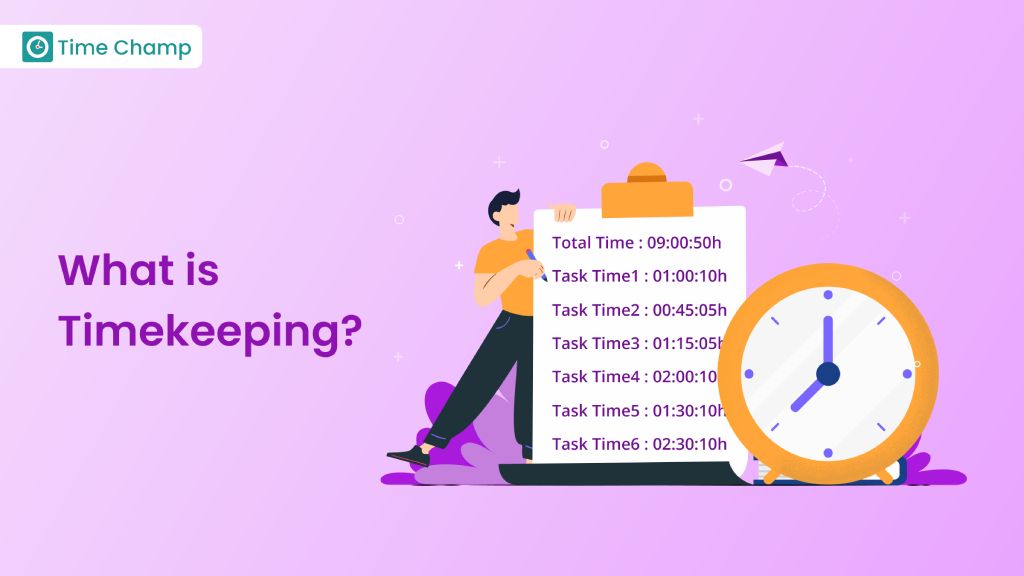
Discover the importance of timekeeping in boosting productivity, ensuring accountability, and optimizing operations for business success
Shabana Shaik | Sep 04, 2024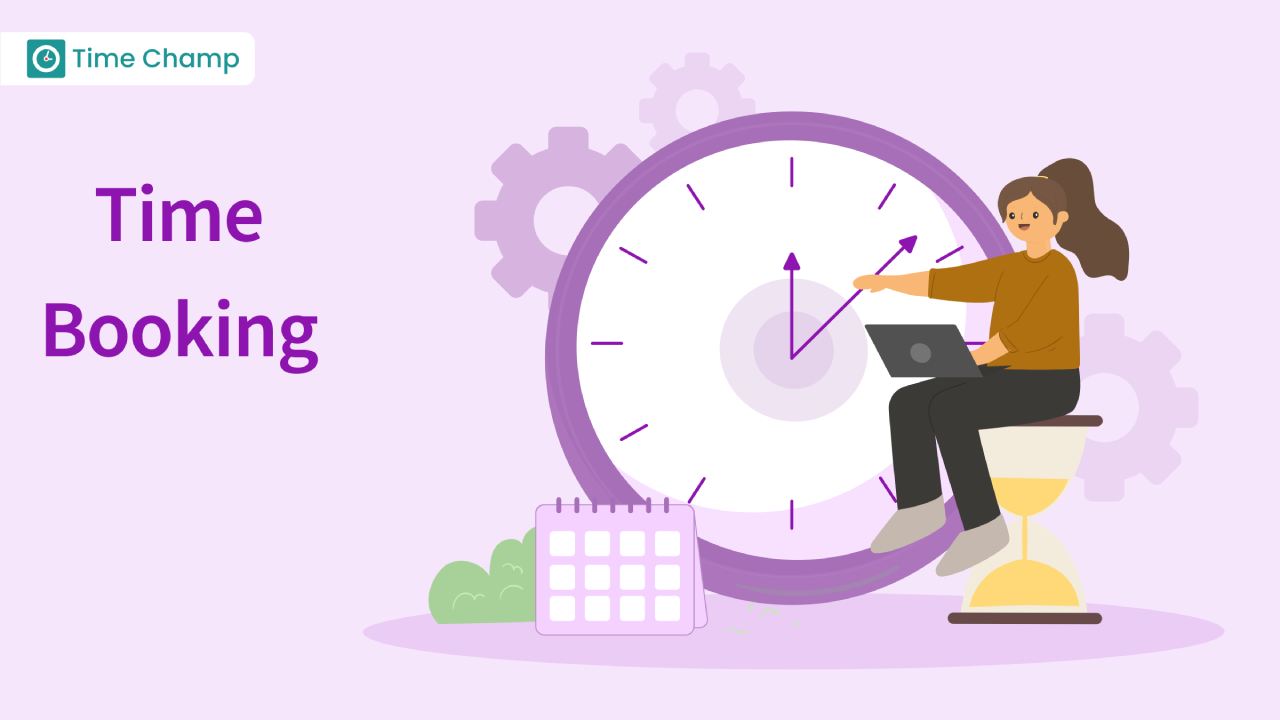
Discover the key benefits of time booking, its impact on business success, and how to choose the best solution for efficient scheduling.
Thasleem Shaik | Sep 14, 2024
Find our top picks on time blocking apps to help you manage tasks, stay focused, and boost your productivity. Perfect for personal and work use.
Shabana Shaik | Oct 10, 2024
Discover how time blocking boosts productivity, focus, and performance, and how it can enhance your time management.
Shabana Shaik | Sep 13, 2024
Manage your team's productivity with accurate time logs. Learn how time logs can improve task management, track work hours, and enhance overall efficiency.
Thasleem Shaik | Sep 14, 2024
Master time budgeting to boost productivity and manage priorities. Create an effective time budget and optimize your workflow and efficiency with Time Champ.
Tarun Kumar Reddy | Oct 04, 2024


 4.7/5 avg.
Ready to Manage Your Workforce Smarter?
Join our family of 1500+ companies using smart insights to redefine workforces!

Free Trial
No Credit Card Required