Is Employee Screen Recording Legal in New York?
Learn when employee screen recording is legal in New York and how to meet notice and compliance requirements without creating risk or gaps.
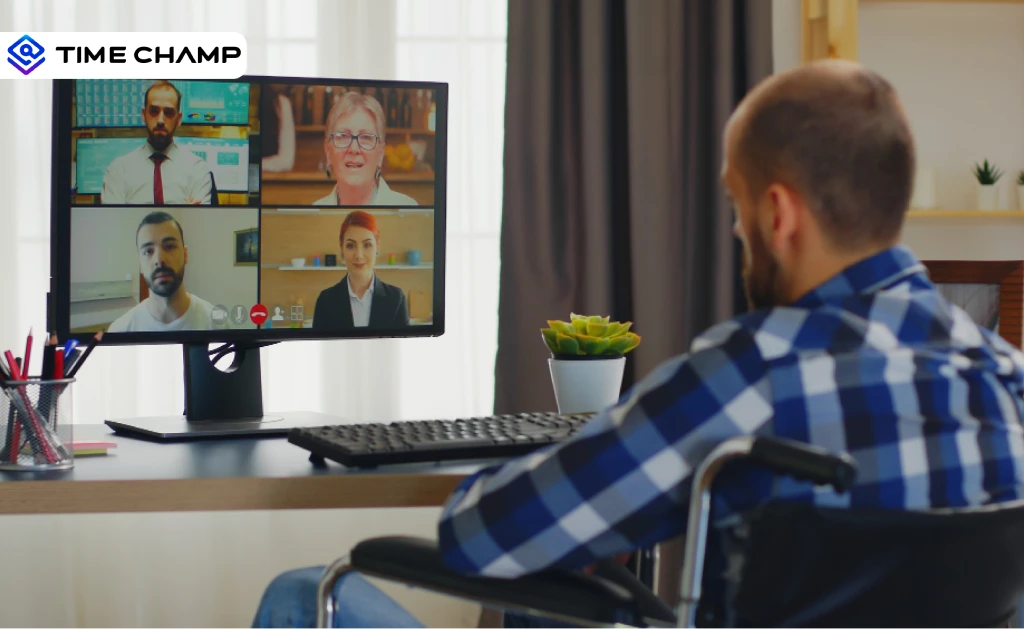
Employee screen recording is legal in New York for private organizations. The law does not prohibit monitoring. It requires you to follow a specific notification process before monitoring starts. If you miss that process, legally valid monitoring can turn into a civil violation and create serious risk if those recordings appear as evidence in an employment dispute. For the broader picture across this topic, our enterprise employee monitoring guide brings the moving parts together.
This article explains what New York Labor Law 52-c requires, how screen recording fits under its definition, what the rules look like for remote employees, how New York compares with other states, and what you need in place before you turn monitoring on.
What Does New York Labor Law 52-c Actually Require?
New York Labor Law Section 52-c, formally part of the New York Civil Rights Law, took effect on May 7, 2022. Governor Kathy Hochul signed it into law on November 8, 2021, as an amendment to Civil Rights Law Article 5. It covers every private sector company with a place of business in New York State, regardless of size. Government agencies are exempt. If you run a business in New York and monitor employee devices, this law applies to you.
The law requires you to complete three specific steps before monitoring begins.
Written Notice at Hire: Every new hire must receive written notice before or at the time of hiring, clearly stating that you monitor or may monitor phone activity, email, internet usage, and electronic systems, including computers. You can provide this notice in paper or digital format, such as an onboarding portal or email, and you must clearly tell employees that you monitor their activity.
Signed Acknowledgment: After you send the notice, the new hire must sign it or acknowledge receipt digitally, and you must keep that record. This requirement sets New York apart from other US states. Connecticut and Delaware also require employee monitoring notification, but they do not mandate an individual-signed acknowledgment.
New York requires a signed acknowledgment, and this record becomes important if you rely on monitoring data during an employment dispute. If you want to understand how acknowledgment requirements differ from full consent obligations across US states, our guide on employee consent monitoring requirements covers that distinction in detail.
Posted Workplace Notice: You also need to post a monitoring notice somewhere all staff can see it, such as a break room wall, printer area, or your company’s intranet. This notice applies to everyone at the workplace, including both new hires and current staff. If you follow a BYOD policy, this requirement also applies to team members who use personal devices to access your company email or network, not just those using company-issued devices.
Does Screen Recording Fall Under New York Labor Law 52-c?
Yes, employee screen recording falls under New York Labor Law 52-c. The law applies to any form of digital monitoring that tracks employee activity on devices or systems. Screen recording captures on-screen activity in real time.
You should treat screen recording as part of regulated monitoring and follow the required compliance steps. This means you must provide proper notice, collect acknowledgment, and maintain visibility around monitoring practices. If you overlook this, your setup can create compliance risk even if your intent stays operational. If you want to walk through the full process of setting up screen recording without compliance gaps, our guide on how to legally implement employee monitoring software covers the step-by-step setup from notice to deployment.
Need visibility into work without overstepping boundaries?
Use Time Champ to track activity responsibly and keep your setup compliant.
How Does New York Compare to Other States in Employee Monitoring?
New York enforces some of the strictest requirements under employee monitoring. Most US states do not have a specific electronic monitoring law. They rely on the federal Electronic Communications Privacy Act (ECPA), which allows you to monitor employee devices on company networks without prior notice. New York does not allow that approach. Only four states require written advance notice before you start monitoring. Here is how each one compares.
If you run a team across multiple states, this comparison helps you define your compliance baseline. Build your monitoring policy around New York Labor Law 52-c requirements, and you will also meet the expectations in Connecticut, Delaware, Colorado, and the federal ECPA. For a broader view of how federal and state laws interact across the country, the guide on employee monitoring privacy laws (USA) covers the full federal and state-by-state picture in one place. This approach removes the need to manage separate policies for each state when one standard can cover them all.
For the full breakdown of employee screen recording rules across multiple jurisdictions, see our employee monitoring legal compliance guide.
| State | Statute | Notice Required | Signed Acknowledgment | First Violation Penalty |
|---|---|---|---|---|
| New York | Civil Rights Law 52-c (eff. May 7, 2022) | Written notice at hire + posted workplace notice | Yes, required | USD 500 |
| Connecticut | CGS 31-48d (eff. 1998) | Prior written or electronic notice | Not explicitly required | USD 500 |
| Delaware | Code Title 19, Section 705 (eff. 2001) | Prior notice (posting permitted) | Not explicitly required | Civil penalty |
| Colorado | HB 24-1058 (eff. 2024) | Written notice for AI-driven monitoring tools | Not explicitly required | Civil penalty |
| All other states | Federal ECPA only | Not required by state law | Not required | Federal civil liability only |
How Time Champ Helps New York Employers Stay Compliant?
New York Labor Law 52-c requires you to handle three things before you start monitoring: a written notice, a signed acknowledgment, and a clear workplace notice. Time Champ’s employee monitoring software helps you manage all three without adding manual complexity. You can define what you monitor, such as screen recording, screenshots, and activity tracking, and align that directly with your notice so everything stays clear and specific.
Time Champ also gives you role-based access controls, so only authorized users can view recordings, along with screenshot blur for roles that handle sensitive data. Each employee gets a personal dashboard to review their own activity data, which supports transparency. This setup helps you reduce friction when introducing monitoring and maintain a clear record that shows you provided notice and received acknowledgment before recording starts. If you are thinking through the broader principles behind transparent monitoring, our piece on ethical considerations in employee monitoring is a good next read.
Conclusion
Employee screen recording is legal in New York, but you cannot treat it as a simple setup step. You need to get the notice, acknowledgment, and visibility right before you turn anything on. If you skip these steps, your monitoring can violate the law and create legal issues if you rely on recorded screen activity or monitoring records in a dispute. Keep your approach clear, documented, and transparent so your monitoring supports your operations instead of creating problems later.
Trying to balance oversight and privacy the right way?
Time Champ helps you monitor work without creating compliance gaps.

Thasleem Shaik

Table of Content
-
 What Does New York Labor Law 52-c Actually Require?
-
Does Screen Recording Fall Under New York Labor Law 52-c?
-
How Does New York Compare to Other States in Employee Monitoring?
-
How Time Champ Helps New York Employers Stay Compliant?
-
Conclusion
Instant Signup
Thank you for your request!
We have received your signup request and our team will get back to you soon. In the meantime, you can book a demo to see Time Champ in action.
Book a DemoFree trial. No credit card required. Prefer a walkthrough? Book a demo.
Related Blogs
Employee screen recording helps you meet compliance and security requirements. See which regulations apply and when your team needs them.
Guna Lakshmi | Apr 24, 2026
Choose the right employee screenshot monitoring frequency for your team type. See role-based guidance and interval tradeoffs.
Guna Lakshmi | Apr 23, 2026
Implementing screen recording legally means getting notification, consent, and data rules right. Here is what you need to know before they start.
Guna Lakshmi | Apr 25, 2026
Explore how an employee monitoring privacy policy protects employee rights, maintains compliance, and supports transparent workplace monitoring.
Thasleem Shaik | Apr 25, 2026
Learn how to get employee buy-in for monitoring. Understand resistance, address concerns, and build trust before and after implementation effectively.
Anjali | Apr 24, 2026
Proof of work screenshots for remote teams help you see how work gets done and track real activity. Learn when to use screenshots effectively.
Guna Lakshmi | Apr 23, 2026


 4.7/5 avg.
Ready to Manage Your Workforce Smarter?
Join our family of 1500+ companies using smart insights to redefine workforces!

Free Trial
No Credit Card Required