How to Get Employee Buy-In for Monitoring with Trust
Learn how to get employee buy-in for monitoring. Understand resistance, address concerns, and build trust before and after implementation effectively.

Employee buy-in for monitoring doesn’t begin on launch days. It starts earlier, with how you introduce the idea and how clearly you explain it. When monitoring is rolled out without context or used only to track performance, employees tend to see it as control, which can break their trust. Programs that take employee screenshot privacy seriously tend to see far less pushback once monitoring goes live. The detail here sits inside a wider conversation covered in our enterprise employee monitoring guide.
Organizations that succeed with employee monitoring take a different approach. They clarify what monitoring tracks and why, so employees never have to guess. They also give employees access to their own data from day one. Most importantly, they use monitoring to support employees by identifying overwork, balancing workloads, and recognizing contributions.
This blog explains why employees resist monitoring and how to address those concerns early. It also shows how to build trust before launch, introduce monitoring transparently, and maintain employee buy-in over time.

Did You Know?
According to research by the Washington Center for Equitable Growth, more than 68% of U.S. employees report experiencing some form of electronic monitoring at work, highlighting how common workplace monitoring has become.
Why Employees Resist Monitoring and Why the Resistance Is Rational
Employees don’t resist monitoring without reason. Most of the time, the problem is not the tool itself, but the lack of clear information. When you tell someone that monitoring software is being introduced without explaining what it actually tracks, they assume the worst. They imagine constant surveillance, every click recorded, screenshots being monitored, or even their location being tracked all the time. That reaction is natural when there are communication gaps.
In reality, employees are not against visibility at work. They worry about how far monitoring goes, how the data will be used, and whether it will be fair. These concerns are valid, and each one has a clear answer. The challenge is timing. If you wait too long to explain, employees form their own opinions, and those are hard to change later. Once they see monitoring as surveillance, building employee buy-in for monitoring becomes much harder. Clear and early communication is what prevents that shift from happening.
Six Concerns Employees Raise About Monitoring
Employees don’t resist monitoring without reason. They worry about how it will affect them. When you address those concerns clearly and early, resistance becomes much easier to handle.
Here are the most common concerns and how you can address them in a simple, direct way:
| Employee Concern | What’s Behind It | How to Address It |
|---|---|---|
| Is this workplace surveillance where everything I do is being watched? | Fear of constant tracking and no privacy | Explain what you track and what you don’t. Make it clear that monitoring only covers work activity during work hours. Show their dashboard. |
| Will this be used to punish me or get me fired? | Fear of disciplinary action | Clarify how you use the data. Say clearly that it supports workload planning and training, not punishment. |
| Does this mean you don’t trust me? | Feeling judged or mistrusted | Position monitoring as a visibility tool. Show how it helps balance work and highlight effort. |
| What happens to my data? Who can see it? | Data privacy concerns | Explain who can access the data and how long you store it. Share your policy openly. |
| Can I see what you see about me? | Need for fairness and transparency | Give employees access to their own dashboard from day one. Walk them through it. |
| What if I have a quiet day and my score looks bad? | Fear of being judged unfairly | Explain that managers look at trends, not just one day. Train managers to read the data properly. |
Struggling to build trust and clarity around employee monitoring in your team?
Time Champ helps you introduce monitoring with transparency and real employee acceptance.
How Do You Build Employee Buy-In Before Going Live?
You don’t build employee buy-in for monitoring at the moment of launch. It starts earlier, with how you introduce monitoring and involve employees in the process. People accept monitoring more easily when they understand why it’s used, feel involved, and see how it helps them.

Start with a Clear Purpose Employees Can Relate To
Explain why you are introducing monitoring in simple terms. Focus on how it benefits employees, not just how it helps the business. Show how it can reduce overload, bring fairness to task distribution, and highlight their work. When employees see the benefit for themselves, they respond better.
Bring Employees into the Process Early
Don’t wait until everything is finalized. Share the plan early and ask for the employees' feedback. This makes them feel included in the process. It also helps you spot concerns before they turn into resistance.
Let Employees Explore the Tool Before Launch
Give employees a chance to see how the system works. A short demo or early access helps them understand what is actually tracked. When they see the data themselves, it removes assumptions and builds confidence.
Focus on Support, Not Control
Place the monitoring as a way to help employees, not to watch them. Use it to identify overwork, balance tasks, and recognize effort. When employees see that monitoring is used in this way, they are more likely to accept it.
Keep Managers Aligned and Prepared
Managers play a key role in how monitoring is perceived. Train them before launch so they can explain the system clearly and use the data responsibly. When leaders handle it well, employees feel more comfortable and trust the process.
Launching with Transparency: Three Things That Change Everything
How you launch monitoring shapes how employees see it. Employees form their opinions early, based on what they see and experience. A clear and transparent launch makes it easier for them to understand and accept it.
Give Employees Their Own Dashboard on Day One
Start by giving every employee access to their personal dashboard. Let them see exactly what the system tracks. When employees can view their own data, like activity time, attendance, and usage, they stop guessing. It removes the fear of hidden tracking and replaces it with clarity. Monitoring starts to feel clear and shared, not something imposed on them.
Train Managers Before Employees See Their Data
Train managers before employees get access to the data. They should know how to read it and how to respond properly. One low score on a single day should not lead to quick action. What matters is the pattern over time. When managers use data to support employees, it helps to build trust. Clear guidelines help them focus on trends and avoid reacting to one-time data.
Demonstrate a Benefit to Employees in the First Two Weeks
Employees form their opinion of monitoring very quickly. Use the first two weeks to show how it helps them. Use the data to balance workloads, spot extra hours, and support team members when needed. Take small, clear actions that employees can see and feel. These actions create a strong impact. When employees notice real benefits early, they accept monitoring more easily.
Did You Know?
According to the U.S. Government Accountability Office, workplace monitoring can increase stress, anxiety, and fear among employees when it is not implemented with clear transparency.
How Do You Maintain Employee Buy-In After Launch?
You can maintain employee buy-in for monitoring through your everyday actions, not one-time efforts. Employees watch how you use monitoring after launch, and that shapes their trust. When you stay consistent, clear, and fair, buy-in continues to grow.
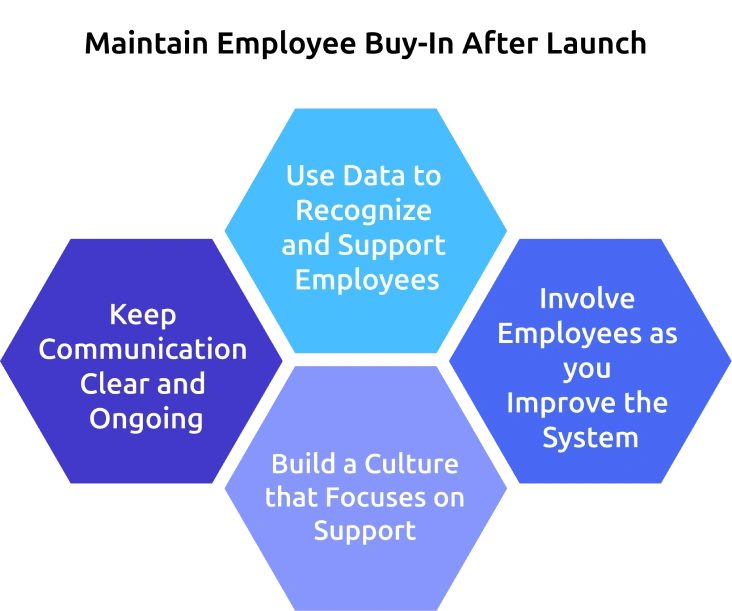
Keep Communication Clear and Ongoing
Keep communication active even after rollout, so employees never feel left in the dark about monitoring. Explain what you track, why it matters, and how it supports their work in real situations. When you speak openly and address questions early, employees feel informed and stay comfortable with the system.
Use Data to Recognize and Support Employees
Use monitoring data to highlight effort, acknowledge contributions, and support employees when they need it. Show how the data helps you balance workloads or notice extra effort that might otherwise remain unseen. When employees experience this directly, they connect monitoring with support without pressure.
Involve Employees as you Improve the System
Bring employees into the process by asking for feedback and making changes based on what they share. Let them see that their input leads to real improvements, whether it’s policy clarity or better usage of the tool. This involvement makes employees feel included and strengthens their acceptance over time.
Build a Culture that Focuses on Support
Create a culture where monitoring helps employees work better rather than making them feel controlled. Use the data to step in when someone feels overloaded or when work needs to be distributed more fairly. When employees see consistent support through your actions, trust grows, and buy-in stays strong.
How Does Time Champ Help You Build Employee Buy-In?
Many organizations struggle to get employees comfortable with monitoring. Employees often feel unsure about what is being tracked, worry about how their data will be used, or feel they are being watched without clarity. This confusion usually comes from a lack of visibility and clear communication.
Time Champ solves this by making monitoring transparent from the start. Every employee gets access to their own dashboard, where they can see their productivity, activity, and attendance in real time. They don’t have to guess what the system tracks because they can see it themselves. This shared visibility helps to build trust and reduce resistance.
You can also set different monitoring levels based on roles. Match the level of tracking to the type of work each role requires, which makes it easier to explain and more comfortable for employees. With clear data access and flexible settings, Time Champ helps you turn monitoring into a system that supports employees, not something they feel concerned about.
Facing resistance because employees feel monitoring is unclear or unfair?
Time Champ offers employee dashboards, activity tracking, and role-based monitoring to bring clarity and build trust.
Conclusion
Employee monitoring works when trust is built before rollout and reinforced through consistent actions. Clear communication, honest answers, and real transparency set the right tone from the start. Giving employees access to their own data and using insights to support them helps them recognize its value. Data must guide thoughtful decisions, but not quick judgments. Everyday actions define how your team experiences monitoring. When monitoring is positioned as a shared tool that supports both employees and organizational goals, employee buy-in for monitoring grows naturally and remains strong over time.

Anjali

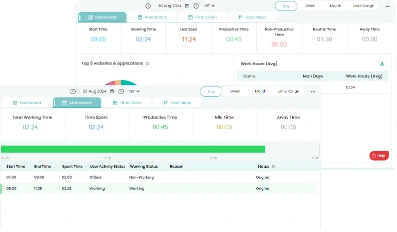
Table of Content
-
 Why Employees Resist Monitoring and Why the Resistance Is Rational
-
Six Concerns Employees Raise About Monitoring
-
How Do You Build Employee Buy-In Before Going Live?
-
Launching with Transparency: Three Things That Change Everything
-
How Do You Maintain Employee Buy-In After Launch?
-
How Does Time Champ Help You Build Employee Buy-In?
-
Conclusion
Instant Signup
Thank you for your request!
We have received your signup request and our team will get back to you soon. In the meantime, you can book a demo to see Time Champ in action.
Book a DemoFree trial. No credit card required. Prefer a walkthrough? Book a demo.
Related Blogs
Learn how to monitor employee internet usage with effective tips and tools to boost productivity, enhance security, and promote responsible online behavior.
Jahnavi Pulluri | Apr 17, 2026
Learn how employee monitoring supports work-life balance by detecting overwork, protecting boundaries, and helping teams build sustainable work patterns.
Anjali | Apr 23, 2026
Learn about the detailed pros and cons of employee monitoring to better understand its overall impact on employees and employers.
Shabana Shaik | Oct 16, 2024
Discover how to monitor remote employees effectively, boost productivity, and address challenges while respecting privacy.
Tarun Kumar Reddy | Aug 09, 2024
Explore our complete guide on employee monitoring: understand its types, benefits, legalities, and best practices for workplace efficiency.
Mounika Sai | Jan 12, 2024
Learn about employee monitoring laws, what they mean for businesses, and how they protect employee privacy and rights.
Shabana Shaik | Jul 10, 2024


 4.7/5 avg.
Ready to Manage Your Workforce Smarter?
Join our family of 1500+ companies using smart insights to redefine workforces!

Free Trial
No Credit Card Required