What Is HR Analytics? Types, Metrics & Key Benefits
Understand what HR analytics is, explore its four types, key metrics, benefits, and learn how to run your first HR analytics project for better HR decisions.

Hiring the right people is hard. Keeping your best employees is even harder. Every day, HR teams make important decisions, who to hire, when to promote, why employees leave, and how to improve engagement. But here's the reality: making these decisions based on gut feeling alone often leads to costly mistakes.
So, how do leading organizations make smarter HR decisions? It starts with understanding HR analytics. In this blog, you'll learn what HR analytics is, its different types, the key HR metrics to track, and the benefits it offers for building a stronger workforce.
What is HR Analytics?
HR analytics is the process of collecting, analyzing, and interpreting workforce data to make better HR and business decisions. It helps organizations use data from recruitment, employee performance, engagement, attendance, compensation, and retention to identify trends, solve workforce challenges, and improve overall business outcomes.
Also known as HR data analytics, people analytics, or workforce analytics, HR analytics enables HR teams to move beyond intuition and make decisions backed by data. Instead of simply tracking what has happened, it helps answer important questions like why employees leave, what drives performance, and how to improve hiring and employee engagement.
What Are the Four Types of HR Analytics?
HR analytics has four main types. Each type answers a different question, helping you understand past events, identify their causes, predict future outcomes, and decide the best course of action.
| Type | Question It Answers | Example |
|---|---|---|
| Descriptive Analytics | What happened? | Employee turnover was 14% last quarter, with the highest rate in the sales team. |
| Diagnostic Analytics | Why did it happen? | The data shows employees left because of poor manager support and lower-than-average pay. |
| Predictive Analytics | What is likely to happen? | HR identifies employees who may leave in the next six months. |
| Prescriptive Analytics | What should we do? | Recommend salary increases and manager training to improve employee retention. |
The four types build on each other. Descriptive and diagnostic analytics explain what has already happened, while predictive and prescriptive analytics help you prepare for what's next and make better decisions.
What HR Metrics You Should Track?
The right HR metrics depend on your business goals. Instead of tracking every metric, focus on the ones that help you answer important workforce questions and make better decisions. Here are some of the most important HR metrics to include in your HR analytics reports:
- Employee Turnover Rate: Shows how many employees leave your organization over a given period.
- Employee Retention Rate: Measures how well your organization retains its employees.
- Time to Hire and Time to Fill: Track how quickly you recruit and fill open positions to reduce time-to-hire and keep your teams fully staffed.
- Cost Per Hire: Calculates the total cost of hiring a new employee.
- Absenteeism Rate: Measures unplanned employee absences and can highlight engagement or well-being issues.
- Employee Engagement Score and ENPS: Helps you understand employee satisfaction and loyalty.
- Revenue Per Employee: Measures workforce productivity by comparing revenue to employee headcount.
- Internal Mobility Rate: Tracks how often employees move into new roles or receive promotions within the organization.
What Are the Benefits of HR Analytics?
Making better HR decisions is one thing, but seeing the impact is what really matters. So, how does HR analytics actually help your organization? Let's explore the key benefits.
- Better hiring decisions by identifying the most effective recruitment channels.
- Higher employee retention by spotting turnover risks early.
- Improves workforce planning through data-driven headcount forecasting.
- Better employee engagement by tracking workplace trends and satisfaction.
- Fairer HR decisions by identifying pay gaps and reducing bias.
- Stronger business outcomes by showing how HR initiatives contribute to organizational performance.
How to Run Your First HR Analytics Project
Getting started with HR analytics doesn't have to be complicated. Instead of trying to solve every workforce challenge at once, focus on one clear question, use the data you already have, and turn your findings into action.

- Ask a Clear Question: Start with a real business problem, such as "Why are we losing first-year sales reps?"
- Collect the Data: Gather relevant information from your HRIS, ATS, payroll system, or employee surveys.
- Clean the Data: Remove duplicates, fix errors, and keep the data consistent before analyzing it.
- Analyze the Results: Identify trends, patterns, and possible reasons behind the problem.
- Visualize Your Findings: Use simple charts or dashboards to communicate insights clearly.
- Take Action and Measure Results: Implement changes and track whether they improve your HR metrics.
How to Choose the Right HR Analytics Software
Choosing HR analytics software isn't about picking the platform with the most features, it's about finding one that fits your business needs. The right solution should help you collect accurate data, find meaningful insights, and make better workforce decisions without adding unnecessary complexity.
When comparing HR analytics software, look for:
- Easy Integrations: Connects seamlessly with your HRIS, payroll, ATS, and other HR systems.
- Data Security & Compliance: Protects employee data with strong security controls and compliance standards.
- User-Friendly Interface: Makes it easy for HR teams to access insights without requiring technical expertise.
- Custom Reports & Dashboards: Lets you track the HR metrics that matter most to your organization.
- Workforce & Productivity Insights: Combines HR data with productivity and work activity insights to give you a complete picture of workforce performance.
How Time Champ Strengthens HR Analytics
HR analytics is most effective when both HR data and real workforce insights back it. While traditional HR systems capture information like attendance, payroll, and employee records, Time Champ adds visibility into how work actually gets done, helping HR teams make more informed decisions.
Here's how Time Champ supports your HR analytics efforts:
- Employee Productivity Analytics: Understand productivity trends across teams to identify high performers and find opportunities for improvement.
- Time & Attendance Tracking: Capture accurate attendance and work-hour data automatically, making it easier to monitor absenteeism and workforce utilization.
- Employee Activity Insights: Gain a deeper understanding of work patterns and employee activity to support engagement, performance, and workforce planning.
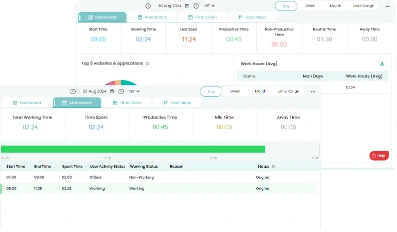
- Reports & Dashboards: Bring workforce data together in customizable reports and dashboards, making HR metrics easier to analyze and share.
- Workforce Utilization Reports: Measure how employee time is distributed across teams and projects to support better capacity planning and resource allocation.
Give Your HR Analytics a Behavioral Edge!
See how work actually happens and connect your people data to real productivity insights
Conclusion
HR analytics gives the clarity you need to make smarter workforce decisions. From understanding employee behavior to improving hiring, retention, and productivity, it helps you turn everyday data into meaningful business outcomes. When you focus on the right metrics and turn insights into action, you can strengthen your workforce and support better business outcomes.

Jahnavi Pulluri

Table of Content
 What is HR Analytics?
- What Are the Four Types of HR Analytics?
- What HR Metrics You Should Track?
- What Are the Benefits of HR Analytics?
- How to Run Your First HR Analytics Project
- How to Choose the Right HR Analytics Software
- How Time Champ Strengthens HR Analytics
- Conclusion
Related Blogs

Learn why AI is rising in the workplace, explore real examples, key benefits, challenges & how to use AI effectively to enhance productivity & performance.
Thasleem Shaik | Feb 11, 2026
The AI employee monitoring software goes beyond basic tracking. It predicts risks, reveals patterns, and gives you real clarity to lead your team better.
Shabana Shaik | Apr 17, 2026
Learn how AI-powered workplace productivity monitoring affects employee data privacy, compliance, transparency, accountability, and trust in organizations.
Jahnavi Pulluri | May 11, 2026
Learn about productivity tracking policy with a downloadable template and 30-day rollout plan to implement tracking clearly and build team acceptance.
Jahnavi Pulluri | May 11, 2026
Explore 8 key trends shaping the future of employee productivity tracking, including AI, workforce intelligence, hybrid work, and wellbeing analytics.
Thasleem Shaik | May 13, 2026
Implement a productivity tracking tool with clear steps, setup tips, and best practices to track employee productivity and improve team performance.
Thasleem Shaik | Apr 30, 2026


 4.7/5 avg.
Ready to Manage Your Workforce Smarter?
Join our family of 1500+ companies using smart insights to redefine workforces!

Free Trial
No Credit Card Required