The Future of Outsourcing: 2026 Trends & Predictions
The future of outsourcing is changing with AI, nearshoring, and outcome-based models. Explore the latest trends, predictions, and what you should expect.

Outsourcing is no longer driven by cost alone. If your company wants to stay competitive, you need partners that can deliver specialized skills, faster results, stronger security, and greater business value. Artificial intelligence, automation, and changing workforce expectations are reshaping how outsourcing works, making it more strategic than ever before.
The future of outsourcing depends on smarter partnerships, flexible delivery models, and a stronger focus on outcomes instead of hours worked.
This article explores key trends shaping the outsourcing industry, how these changes could influence your business, and the practical steps you can take to prepare for what comes next.
The Current State of Outsourcing in 2026
In 2026, outsourcing is moving from a low-cost, task-based model to a strategic, AI-enabled, outcome-driven partnership. Instead of looking only at outsourcing cost savings, your company now needs partners who can improve speed, quality, visibility, and long-term business results. This shift applies across outsourcing services, including business process outsourcing services, outsourced IT services, customer service outsourcing, and specialized support functions.
| Traditional Outsourcing Model | Emerging Outsourcing Model |
|---|---|
| Cost arbitrage | Strategic outsourcing focused on capability, resilience, and measurable value |
| Hourly or FTE billing | Outcome-based work tied to results, service quality, and business impact |
| Offshore-first delivery | Nearshore and hybrid delivery for better time zone overlap and faster coordination |
| Manual labor-heavy operations | AI-augmented teams using automation to improve accuracy, speed, and consistency |
| Generalist support | Industry-specialist partners for areas such as outsourced accounting services, payroll outsourcing services, call center outsourcing services, and software development outsourcing services |
If you are new to outsourcing, our guide on what is outsourcing explains the basics and helps you understand how outsourcing works and what services are typically offered.
What Does the Future of Outsourcing Services Look Like?
The future of outsourcing services is changing as businesses rethink how they work and use new technologies to move faster and smarter. Instead of focusing only on cost savings, companies now use outsourcing to improve operations, tap into expert skills, and drive better results. Here are the key trends that will define how outsourcing evolves in the coming years.

Trend 1. AI and Automation Are Changing How Outsourcing Delivers Value
Artificial intelligence is changing how companies deliver outsourcing services. Instead of replacing skilled professionals, AI handles repetitive work so outsourcing teams can focus more on problem-solving, decision-making, and improving customer experience. This helps your company complete projects faster while maintaining quality.
Agentic AI can complete multi-step tasks with minimal supervision. Instead of assisting with a single activity, it can plan, execute, and monitor entire workflows. This allows you to deliver projects more quickly while reducing manual effort for routine work.

Did You Know
Today, about 44% of IT outsourcing contracts include AI and automation, while over 54% of companies use hybrid cloud outsourcing models.
Trend 2. Nearshore and Hybrid Delivery Models Continue to Grow
More companies are moving beyond an offshore-only approach. They no longer rely on a single location. Instead, they combine offshore, nearshore, and local teams to improve collaboration, reduce communication delays, and respond quickly to changing business needs.
- Nearshore Outsourcing: Nearshore outsourcing means working with teams in nearby countries that share similar time zones, making communication and collaboration easier.
- Offshore Outsourcing: Offshore outsourcing involves working with teams in distant countries, often to reduce costs, even though there may be time zone differences.
- Hybrid Outsourcing: Hybrid outsourcing combines offshore, nearshore, and local teams to balance cost savings with better communication and flexibility.
A hybrid delivery model gives your company greater flexibility. Routine work can still be handled by offshore teams, while projects requiring frequent communication or regional expertise can be supported by nearshore partners. This approach improves productivity without giving up the cost savings from outsourcing that many businesses still value.
Trend 3. Outcome-Based Pricing Replaces Hourly and FTE Models
Many companies no longer measure outsourcing success by the number of hours worked. Instead, they expect providers to deliver measurable business results. This shift is changing how companies structure outsourcing contracts.
| Aspect | Traditional Approach (2023) | Modern Approach (2026) |
|---|---|---|
| Pricing Model | Hourly/Time & Materials | Outcome-based, Value-driven |
| Team Structure | Individual contractors | Dedicated embedded teams |
| Engagement Type | Project-based | Continuous partnerships |
| Vendor Selection | Lowest cost wins | Specialized expertise prioritized |
| AI Integration | Experimental, optional | Standard, productivity-critical |
| Security Focus | Basic compliance | Mandatory certifications (ISO 27001, SOC 2) |
| Location Strategy | Pure offshore for cost | Nearshore/favorable time zone for collaboration |
| Relationship Model | Transactional vendor | Strategic partner extension |
Source: Connect
Losing visibility across outsourced teams can lead to missed deadlines and inconsistent results.
Try Time Champ to track work, monitor progress, and keep outsourced teams on track.
Trend 4. Partner Selection Influenced by ESG and Ethical Outsourcing
Environmental, social, and governance (ESG) factors are now important in outsourcing decisions, as businesses face growing expectations to work with responsible partners. Companies are choosing vendors that follow ethical labor practices, reduce environmental impact, and operate transparently. The importance of ESG is also influencing major business decisions. According to a Deloitte study, 72% of respondents chose not to move forward with a potential acquisition due to ESG concerns, compared to 49% in 2022.
As a result, companies now prefer outsourcing providers that offer fair wages, good working conditions, and environmentally responsible operations. The earlier focus on cutting costs at any expense is fading, as unethical practices are no longer acceptable.
If you're exploring outsourcing further, check out our guide on the benefits of outsourcing and how it can support your business growth.
Trend 5. New Outsourcing Models Continue to Expand
Outsourcing is becoming more flexible as companies choose different types of outsourcing models that match their business goals instead of relying on a single outsourcing strategy.
Employer of Record services make it easier to hire international talent without creating a legal entity in every country.
Global Capability Centers help companies build dedicated teams that remain closely connected with long-term business objectives.
Gig-based outsourcing gives businesses faster access to specialized professionals for short-term or project-based work.
These models continue to grow because they provide greater flexibility while supporting a changing workforce and business needs.
Trend 6. Security, Compliance, and AI Governance Are Becoming Essential
As outsourcing projects involve larger amounts of business and customer data, companies must treat security as a core priority. Your company should require outsourcing providers to demonstrate strong data protection, regulatory compliance, and responsible AI practices before any project begins. According to IBM’s Cost of a Data Breach Report, data breaches cost companies an average of $4.45 million.
When evaluating an outsourcing partner, look for:
- Strong data security policies
- Compliance with industry regulations
- Transparent AI governance practices
- Regular security assessments
- Clear service level agreements
- Well-defined disaster recovery plans
Manage Global Outsourced Teams More Effectively with Time Champ
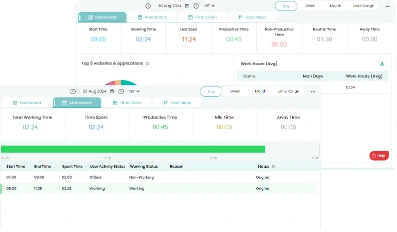
Managing outsourced teams becomes more challenging as projects span different locations, time zones, and delivery models. When you focus on results instead of hours, you need a clear way to track how projects are progressing. Time Champ is an employee monitoring and productivity tracking software that helps you monitor work activity, project progress, and team performance from a single place. Here's how it helps you stay informed and make better outsourcing decisions.
- Track Work Hours Accurately: Record productive work hours automatically across onshore, offshore, and hybrid teams, making it easier to review project effort and support outcome-based engagements.
- Monitor Productivity Trends: See how team members use their time during the workday with detailed productivity reports, helping you identify work patterns and improvement opportunities.
- Measure Project Progress: Keep track of project time, completed work, and ongoing tasks so you can compare progress against timelines and business goals.
- View Application and Website Usage: See which applications and websites your team uses during work hours to better understand daily activities and keep work aligned with project requirements.
- Capture Screenshots: Automatically capture screenshots at configurable intervals to verify work progress, improve transparency, and maintain visibility across outsourced teams.
- Record Screen Activity: Use screen recordings to review work sessions, understand task execution, and quickly identify workflow challenges when needed.
- Generate Detailed Reports: Access reports on productivity, attendance, project time, and work activity to support performance reviews and outsourcing decisions with reliable data.
- Improve Accountability Across Teams: Maintain consistent visibility across distributed teams without relying on manual updates, making it easier to follow progress and resolve issues early.
Whether you work with onshore, offshore, or hybrid teams, having clear insights helps you make informed decisions and keep projects on track. Try Time Champ to monitor productivity, track project progress, and manage outsourced teams with confidence.
Distributed outsourced teams need more than regular status updates to stay on track.
Use Time Champ to gain complete visibility into productivity and project performance from one place.
Conclusion
The future of outsourcing will depend on choosing the right partners, adopting smarter ways of working, and staying focused on measurable results. As outsourcing continues to evolve, having clear visibility into your outsourced teams becomes just as important as selecting the right provider. Time Champ helps you track productivity, monitor project progress, and keep distributed teams accountable, giving you the insights you need to make confident outsourcing decisions.

Thasleem Shaik

Table of Content
 The Current State of Outsourcing in 2026
- What Does the Future of Outsourcing Services Look Like?
- Manage Global Outsourced Teams More Effectively with Time Champ
- Conclusion
Related Blogs
Exploring offshore and onshore outsourcing: Compare popular services, advantages, and drawbacks to make informed business decisions.
Mounika Sai | Nov 20, 2023
Learn about the top 10 outsourcing risks and how to manage them effectively, protecting your business from potential challenges and disruptions
Mounika Sai | Nov 27, 2023
Discover top online outsourcing platforms. Learn how to effectively utilize these websites for your projects. Find the best freelancers for your tasks.
Mounika Sai | Nov 29, 2023
In-house vs outsourcing explained with key differences, pros, cons, costs, and practical tips to help you choose the best approach for your organization.
Anjali | Jul 02, 2026
KPO (Knowledge Process Outsourcing) explained: what it is, real examples, the services involved, and how it cuts costs while adding expert skills. Start here.
Tarun Kumar Reddy | May 16, 2024
Discover the 18 global best call center outsourcing companies to optimize customer support. Choose from leading names for exceptional service and efficiency.
Mounika Sai | Nov 16, 2023


 4.7/5 avg.
Ready to Manage Your Workforce Smarter?
Join our family of 1500+ companies using smart insights to redefine workforces!

Free Trial
No Credit Card Required