Impact of Employee Monitoring on Workplace Morale
Understand how employee monitoring affects workplace morale, trust, and productivity, with practical ways to implement monitoring without reducing engagement.

Small changes in how you track work can quietly shape how your team feels every day. What starts as a way to improve visibility can quickly influence trust, motivation, and overall workplace morale. When monitoring is not handled carefully, it can create pressure while reducing clarity and lead to disconnect while affecting engagement. This is why it’s important to understand how employee monitoring actually affects your team and their day-to-day work. Programs that take employee monitoring myths seriously tend to see far less pushback once monitoring goes live. The detail here sits inside a wider conversation covered in our enterprise employee monitoring guide.
In this blog, you’ll understand how employee monitoring impacts workplace morale, including both its positive and negative effects. You’ll also learn how to use monitoring tools in a way that improves productivity without reducing employee trust or engagement.
How Employee Monitoring Affects Workplace Morale
Employee monitoring directly shapes how employees feel about their work environment. When teams clearly understand what is tracked and why, they feel more secure, focused, and aligned with their work expectations. Clear visibility can reduce confusion, improve accountability, and help employees manage their work more effectively.
At the same time, poor implementation can quickly shift that experience. When monitoring feels excessive or unclear, it creates pressure and lowers trust. Employees may start focusing more on being watched than on doing meaningful work, which can gradually affect motivation, engagement, and overall morale.
Positive and Negative Effects of Employee Monitoring on Morale
A single change in how work is tracked can either strengthen your team’s focus or quietly weaken their morale. Employee monitoring may not seem impactful at first, but over time, it changes how employees think, behave, and engage with their work. Understanding both sides helps you avoid hidden risks while making better decisions.
Positive Effects of Employee Monitoring
- Increased Productivity: Clear visibility helps employees stay focused and reduce unproductive time.
- Stronger Compliance and Data Protection: Monitoring encourages adherence to policies and safeguards sensitive information.
- Better Remote Work Alignment: Monitoring keeps distributed teams connected, accountable, and aligned with goals.
- Improved Work Discipline: Employees develop more consistent and responsible work habits over time.
Negative Effects of Employee Monitoring
- Reduced Trust and Engagement: Excessive tracking can make employees feel controlled and less valued.
- Higher Stress Levels: Continuous observation can create pressure and affect overall employee well-being.
- Focus on Visibility Over Value: Employees may prioritize appearing active over meaningful work.
- Privacy Concerns: Lack of clear boundaries can make monitoring feel uncomfortable.
- Limited Creativity: Constant oversight can discourage independent thinking and innovation.

Did You Know?
A study by Forbes found that 36% of employees say monitoring negatively impacts their job satisfaction, while only 31% report a positive effect. This clearly shows how employee monitoring can influence morale based on how it is implemented and communicated.
Key Factors That Influence How Monitoring Impacts Morale
Small differences in how employee monitoring is designed and communicated can completely change how employees experience it. When done thoughtfully, it supports clarity and trust, but poor execution can quickly affect morale and engagement.

Clarity and Open Communication
When you clearly explain what is being tracked and why, employees feel more secure and less uncertain. Open communication removes assumptions and helps teams see monitoring as a support system. Regular updates and honest conversations build trust and reduce resistance over time.
Intent Behind Monitoring
Employees respond differently based on the purpose they see behind monitoring. When the focus stays on improving productivity, supporting workloads, and identifying challenges, it creates a positive impact. If it feels like control or constant checking, it can quickly lower morale.
Level of Monitoring and Privacy Boundaries
The extent of monitoring plays a major role in how it is perceived. Balanced tracking that focuses on work-related activity feels acceptable and fair. When boundaries are not clear, employees may feel uncomfortable, which can affect their engagement and confidence.
Effect on Employee Autonomy
Employees value having control over how they complete their work. Monitoring that allows flexibility and independence helps employees stay motivated and confident. Strict tracking with low freedom can make work feel restrictive and reduce ownership.
Nature of Work and Metrics Used
Not all roles can be measured the same way, and using the wrong metrics can create frustration. When monitoring focuses on meaningful outcomes and not just activity, employees feel recognized for their real contributions. Clear and relevant metrics help maintain fairness and clarity.
Perception of Fairness Across Teams
Employees pay close attention to whether monitoring is applied consistently. When everyone follows the same guidelines, it builds a sense of fairness and trust. Uneven practices can create doubt and affect team morale quickly.
Struggling to monitor work without affecting your team’s morale?
Use Time Champ to bring clarity, fairness, and transparency into how you track and manage work.
Which Employee Monitoring Tools Affect Workplace Morale the Most
Not all employee monitoring tools create the same experience for employees. Some approaches support clarity, while others can quickly affect comfort, trust, and overall morale. This section highlights which tools have the strongest impact and how they influence employee perception.
- Keystroke Tracking and Screen Recording
Keystroke tracking and frequent screen recording can make employees feel constantly observed during their work. This level of detail often shifts focus from actual outcomes to minute-by-minute activity. Over time, it can reduce confidence and make employees more cautious in how they work.
- Location and GPS-Based Tracking
Tracking employee location, especially outside office settings, can feel overly controlling when not clearly justified. Employees may question why their movement is being monitored beyond work needs. Without proper context, this can create discomfort and reduce their sense of independence.
- Idle Time Monitoring and Activity-Based Metrics
Strict tracking of active and idle time can push employees to stay visibly busy throughout the day. This can lead to stretched tasks and unnecessary activity just to meet system expectations. As a result, real productivity may decline while pressure increases.
- Continuous Video and Audio Monitoring
Continuous camera or audio monitoring can make the work environment feel tense and restrictive. Employees may struggle to stay natural or focused when they know they are being watched at all times. This can gradually affect comfort, engagement, and overall job satisfaction.
Rebuilding Employee Trust and Strengthening Workplace Morale
Restoring trust after introducing employee monitoring takes consistent effort and clear intent. When you focus on transparency, fairness, and employee involvement, you can rebuild confidence and create a more positive work environment.

Clear Communication and Transparency
Start by openly explaining what is being monitored, how the data is used, and why it matters. When employees understand the purpose, they feel more included and less uncertain about things. Consistent communication helps remove doubts and builds long-term trust.
Involving Employees in the Process
Allow employees to share their input on how monitoring is implemented. When teams can share feedback or raise concerns, they feel respected and valued. This involvement increases acceptance and improves overall morale.
Setting Clear Boundaries and Expectations
Define what is monitored and what is not, especially around personal time and non-work activities. Clear boundaries help employees feel secure and reduce unnecessary concerns. This creates a more comfortable and balanced work environment.
Focusing on Growth, Not Control
Use monitoring data to support employee development, not just evaluation. When employees see it as a tool for improvement, they feel more encouraged. This shift in approach strengthens motivation and engagement.
Recognizing Effort and Building Fairness
Acknowledge employee contributions and ensure monitoring is applied consistently across teams. Fair treatment builds confidence and prevents feelings of bias. Recognition also reinforces positive behavior and improves morale over time.
How Time Champ Supports Responsible Employee Monitoring
Balancing visibility with trust becomes difficult when monitoring starts to feel excessive or unclear. Teams need accurate insights to improve performance, but they also need transparency and fairness to stay motivated. Time Champ addresses this challenge by turning everyday work data into clear, useful insights that help you understand how work actually happens.
It focuses on patterns like work hours, productivity trends, and workload distribution, so decisions are based on context and not assumptions. Individual dashboards give employees complete visibility into their own work data, which reduces confusion and builds confidence in the process. This visibility helps reduce confusion and builds confidence in how work is evaluated.
Role-based access ensures that sensitive information stays limited to the right people, while alerts and reports highlight changes like overwork, idle time, or uneven workloads. This allows you to act early, support employees better, and prevent small issues from becoming larger problems. This approach helps improve productivity while maintaining trust and a balanced work environment.
Ready to improve productivity without hurting morale?
Use Time Champ to create clear visibility and support better team performance.
Conclusion
What seems like a simple way to track work can quickly shape how your team feels about their workplace. Employee monitoring influences clarity, focus, and decision-making when used thoughtfully, but it can also create pressure and reduce trust when handled poorly. The outcome depends on clear communication, fair use, and respect for employee boundaries. Even small changes in your approach can significantly affect how employees experience their work environment.
A balanced approach helps maintain both productivity and morale by keeping monitoring transparent and focused on meaningful insights. When you use data to support employees and not control them, teams feel more confident and stay engaged in their work. Over time, this builds a healthier work culture where employees feel valued, trust leadership, and remain motivated to perform consistently.

Anjali

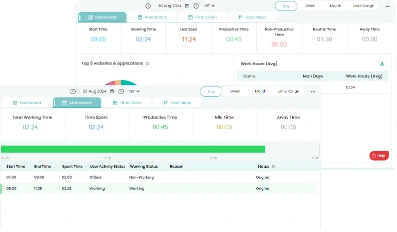
Table of Content
-
 How Employee Monitoring Affects Workplace Morale
-
Positive and Negative Effects of Employee Monitoring on Morale
-
Key Factors That Influence How Monitoring Impacts Morale
-
Which Employee Monitoring Tools Affect Workplace Morale the Most
-
Rebuilding Employee Trust and Strengthening Workplace Morale
-
How Time Champ Supports Responsible Employee Monitoring
-
Conclusion
Instant Signup
Thank you for your request!
We have received your signup request and our team will get back to you soon. In the meantime, you can book a demo to see Time Champ in action.
Book a DemoFree trial. No credit card required. Prefer a walkthrough? Book a demo.
Related Blogs
Discover how to create an effective employee monitoring policy with our comprehensive guide. Enhance productivity while respecting privacy. Learn best practices today!
Jahnavi Pulluri | July 31, 2024
Learn how to overcome employee monitoring challenges like low trust, privacy concerns, and data misuse. Discover 8 common challenges and solutions that work.
Anjali | Apr 22, 2026
Track the right employee monitoring metrics to understand work patterns, improve performance, and make data-driven decisions with confidence.
Thasleem Shaik | Apr 22, 2026
Understand employee monitoring legal compliance, key laws, and best practices to track work activity while protecting privacy and avoiding legal risks.
Thasleem Shaik | Apr 14, 2026
Learn how to get employee buy-in for monitoring. Understand resistance, address concerns, and build trust before and after implementation effectively.
Anjali | Apr 24, 2026
Choose the right employee monitoring tool for your team with this 2026 guide. Explore types, key features, a 5-step framework, and top software options.
Jahnavi Pulluri | Apr 13, 2026


 4.7/5 avg.
Ready to Manage Your Workforce Smarter?
Join our family of 1500+ companies using smart insights to redefine workforces!

Free Trial
No Credit Card Required