What is Project Management Framework? - Guide (2026)
Learn what a project management framework is, its components, importance, popular methodologies, benefits, and challenges for organizations.

Managing projects without a clear structure can quickly lead to missed deadlines, poor communication, and wasted resources. A project management framework gives you a structured way to plan tasks, assign responsibilities, track progress, and deliver projects successfully. It provides the processes, tools, and guidelines that help your team stay organized and focused throughout the entire project lifecycle. Most decisions about best performance management tools hinge on integration depth more than feature count. For the broader picture across this topic, our best project management software guide brings the moving parts together.
Organizations that invest in proven project management practices reduce waste by 28% compared to organizations with poor project management processes.
In this guide, you will learn what a project management framework is, why it matters, its key components, popular project management methodologies, benefits for organizations, and the challenges you may face when implementing it.
What is a Project Management Framework?
A project management framework is a structured set of processes, guidelines, tools, and best practices that help you plan, execute, monitor, and complete projects efficiently while keeping goals, timelines, and resources aligned. It defines the project stages, team member responsibilities, and the methods used to track progress.
The main purpose of a project management framework is to give your team a repeatable system for delivering successful projects. It improves collaboration, reduces project risks, and helps you maintain control over schedules, budgets, and deliverables. With a well-defined framework, you can easily adapt to project changes while keeping your objectives on track.
Why is Project Management Framework Important?
A project management framework helps you organize complex projects and maintain clear direction from start to finish. Without a defined structure, teams often face confusion about responsibilities, deadlines, and workflows. Here are some reasons why a project management framework is important:
- Improves Project Planning: Defines clear goals, timelines, and responsibilities at the beginning, which helps your team stay organized and focused throughout the project.
- Enhances Team Collaboration: Establishes defined roles, communication channels, and workflows, making it easier for your team to collaborate and avoid misunderstandings.
- Reduces Project Risks: Identifies potential risks early and takes preventive actions before they impact project outcomes.
- Improves Resource Management: Helps you allocate time, budget, and team resources efficiently to balance workloads across the project.
- Ensures Consistent Results: Maintains standardized processes and quality standards across projects, helping you achieve reliable outcomes.
Struggling to keep your projects organized and on track?
Time Champ gives you complete control and real-time clarity. See how it transforms your workflow.
What Are the 7 Popular Project Management Frameworks?
Choosing the right project management methodology or framework depends on your project requirements, team size, and complexity. Each framework provides a structured approach for planning tasks, coordinating teams, and delivering project outcomes. Here are some of the most widely used frameworks adopted across industries.
1. Agile Framework
Agile is a flexible project management methodology that helps you manage projects in small, manageable iterations called sprints. This approach allows you to quickly adapt to changes, gather feedback frequently, and improve the outcome without disrupting the entire project plan.
Key Features:
- Iterative development cycles (sprints)
- Continuous feedback and improvement
- Strong team collaboration
- Flexible project scope and priorities
Example:Software development teams are releasing product updates every few weeks while adjusting features based on customer feedback.
2. Scrum Framework
Scrum is an Agile-based project management framework that organizes work into short development cycles called sprints, usually lasting two to four weeks. It provides a clear structure for teamwork, helping you break complex projects into smaller tasks that are easier to manage. With Scrum, you can improve team accountability, track progress more transparently, and deliver project updates regularly.
Key Features:
- Sprint-based workflow management
- Defined roles (Scrum Master, Product Owner, Development Team)
- Daily stand-up meetings
- Sprint reviews and retrospectives
Example:A software team is developing a mobile application with two-week sprints to deliver new features incrementally.
3. Waterfall Framework
The waterfall framework follows a linear and structured approach to project management, where each phase must be completed before the next begins. This method works well when project requirements are clearly defined from the start. With this framework, you can maintain better control over timelines, documentation, and project deliverables, making it easier to manage projects that require strict planning.
Key Features:
- Sequential project phases
- Detailed documentation
- Clearly defined milestones
- Predictable timelines
Example: Construction projects where design, planning, and building phases follow a strict order.
4. Kanban Framework
Kanban is a visual project management method that helps you track tasks and improve workflow efficiency. It uses visual boards to show task progress across stages such as To Do, In Progress, and Completed. This framework helps you quickly identify bottlenecks, manage workloads effectively, and maintain a steady workflow across your team.
Key Features:
- Visual workflow boards
- Continuous task management
- Work-in-progress limits
- Improved workflow transparency
Example: IT support teams use Kanban boards to track incoming support tickets and monitor issue resolution progress.
5. PRINCE2 Framework
PRINCE2 (Projects in Controlled Environments) is a structured project management methodology that focuses on strong governance, clear project roles, and controlled project stages. With this PRINCE2, you can manage complex projects more effectively, ensure accountability across teams, and maintain strong documentation for every project stage.
Key Features:
- Stage-based project management
- Defined roles and responsibilities
- Strong documentation practices
- Focus on business justification
Example: Government or enterprise-level projects that require detailed planning, approvals, and strict project control.
6. Lean Project Management
Lean project management focuses on maximizing value while minimizing waste. It encourages you to remove unnecessary steps, streamline workflows, and improve efficiency throughout the project lifecycle. Using Lean principles helps you deliver projects faster, reduce operational inefficiencies, and make better use of available resources.
Key Features:
- Waste reduction in processes
- Continuous improvement
- Focus on value delivery
- Efficient resource utilization
Example: Manufacturing teams are optimizing production processes by removing unnecessary steps and reducing delays.
7. Hybrid Project Management
Hybrid project management combines multiple project management methodologies and frameworks, such as Agile and Waterfall, to create a customized approach for your project. This approach allows you to maintain structured planning while still adapting to changing requirements, giving you greater flexibility and control.
Key Features:
- Combination of structured and flexible methods
- Adaptable project workflows
- Balanced planning and agility
- Suitable for complex projects
Example:A product development project using Waterfall for planning and Agile for development and testing stages.
What Components Are Included in the Project Management Framework?
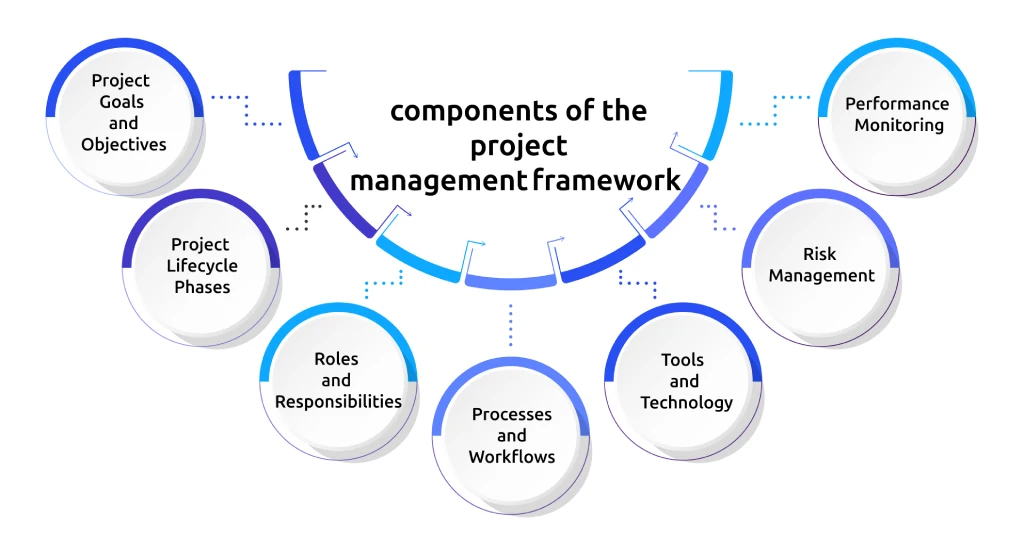
A project management framework consists of several essential components that guide how you manage projects from start to finish. These elements of project management frameworks help you organize tasks, manage teams, and monitor progress effectively.
1. Project Goals and Objectives
Every project starts with clearly defined goals. You must identify what you want to achieve and how success will be measured. Clear objectives help your team stay focused throughout the project lifecycle.
2. Project Lifecycle Phases
Most frameworks divide projects into phases such as initiation, planning, execution, monitoring, and closure. These phases help you manage project activities in a structured manner.
3. Roles and Responsibilities
A project framework defines who is responsible for specific tasks and decisions. Clear role definitions improve accountability and reduce confusion among team members.
4. Processes and Workflows
Processes describe how tasks are completed and approved during the project. Standard workflows help your team maintain consistency and efficiency.
5. Tools and Technology
Project management software, collaboration tools, and reporting systems help you track project progress and manage resources more effectively.
6. Risk Management
A framework includes strategies for identifying, assessing, and mitigating project risks. Proper risk management reduces unexpected disruptions and improves project success rates.
7. Performance Monitoring
Tracking project performance allows you to measure progress, identify delays, and make necessary adjustments to keep the project on schedule.
Trying to manage all these project components without missing a detail?
See how Time Champ brings everything into one powerful view.
How Does a Project Management Framework Benefit Organizations?
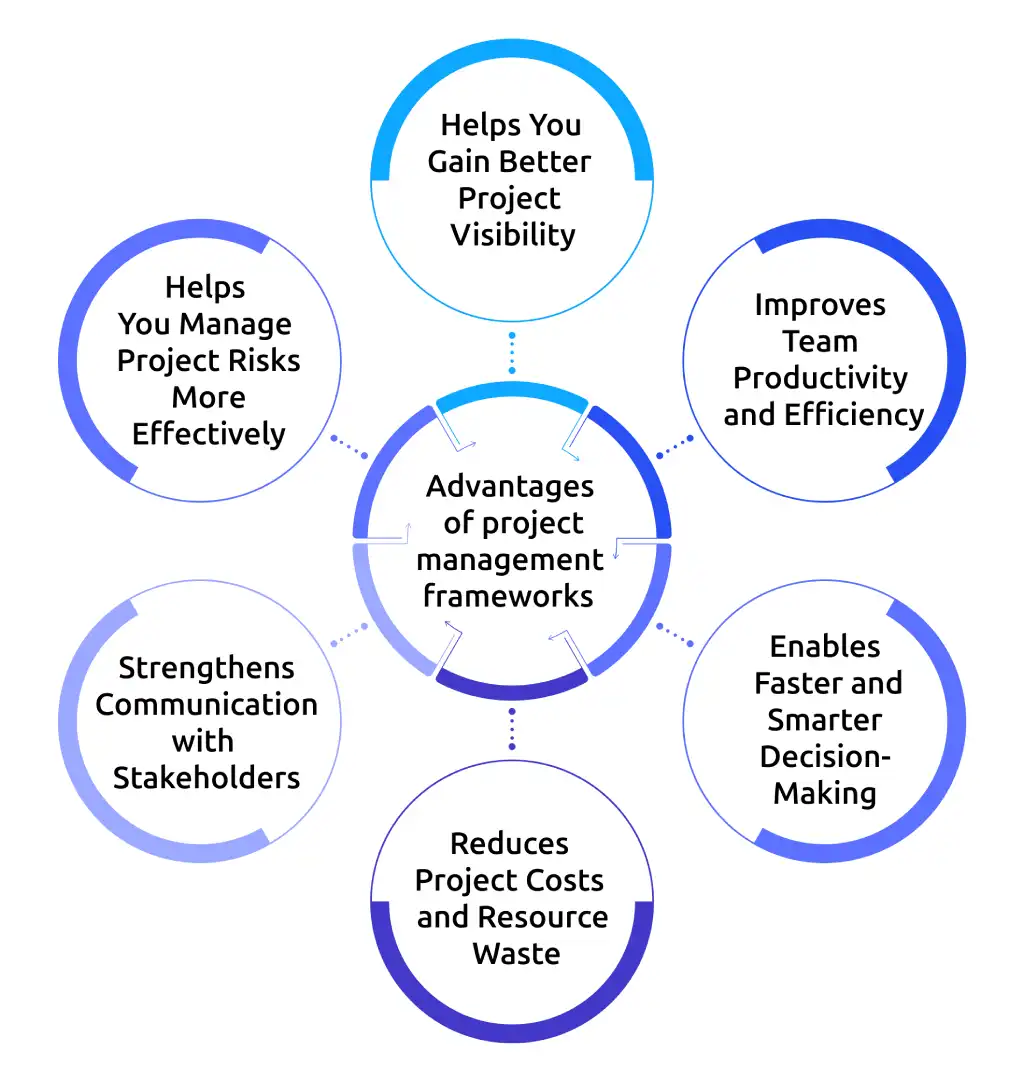
When you implement a project management framework, you create a structured way to plan, execute, and monitor projects. A clear framework helps you manage resources efficiently, track progress, and deliver projects on time.
1. Helps You Gain Better Project Visibility
A project management framework gives you a clear view of project progress, tasks, and resource usage. This visibility helps managers track milestones, identify delays early, and keep the project aligned with its goals.
2. Improves Team Productivity and Efficiency
When roles, workflows, and processes are clearly defined, your team can focus more on completing tasks instead of figuring out what to do next. This clarity helps teams work faster and more efficiently.
3. Enables Faster and Smarter Decision-Making
Structured reporting and tracking allow you to analyze project data quickly. With better insights, you can make timely decisions and address issues before they affect the project timeline.
4. Reduces Project Costs and Resource Waste
A well-planned framework helps you allocate resources properly and avoid unnecessary spending. Better planning and monitoring reduce delays and keep the project within budget.
5. Strengthens Communication with Stakeholders
Frameworks establish clear communication channels and regular updates. This transparency keeps stakeholders informed and ensures everyone stays aligned with project goals.
6. Helps You Manage Project Risks More Effectively
A project’s workforce intelligence platform helps you gain complete visibility into your team’s work. You can track work hours automatically, monitor task progress, and analyze productivity trends in real time. These insights help you understand how projects move forward, where teams may face bottlenecks, and how resources are being used across different tasks.
When you combine a structured project management framework with workforce intelligence, you can create a more transparent and efficient work environment. This allows you to improve project planning, eliminate operational gaps, and ensure your team stays focused on delivering results on time.
Still guessing how your team’s work is actually progressing?
Time Champ gives you real-time clarity to spot delays, boost productivity, and keep every project on track.
Conclusion
A project management framework helps you bring structure and clarity to every stage of a project. When you define processes, responsibilities, and workflows, it allows your team to manage tasks more efficiently and keep projects moving toward their goals. When you apply the right framework and support it with tools that improve visibility and tracking, you can reduce delays, manage resources better, and deliver projects with greater consistency and confidence.

Table of Content
-
 What is a Project Management Framework?
-
Why is Project Management Framework Important?
-
What Are the 7 Popular Project Management Frameworks?
-
What Components Are Included in the Project Management Framework?
-
How Does a Project Management Framework Benefit Organizations?
-
Conclusion
Related Blogs

Discover what is project scheduling, definition, key components, types, templates, strategies, pros & cons, real examples, and software for efficiency.
Tarun Kumar Reddy | Apr 02, 2026
Project timeline guide: definition, key components, examples, templates, pros & cons, management tips, and software for efficient project tracking and planning.
Guna Lakshmi | Apr 02, 2026
Discover what a project charter is, its purpose, key components, and examples. Learn how to write an effective charter to start projects with clear direction.
Thasleem Shaik | Apr 02, 2026
Learn what Project Portfolio Management is, why it matters, key components, processes, benefits, and how PPM differs from project management.
Tarun Kumar Reddy | Apr 02, 2026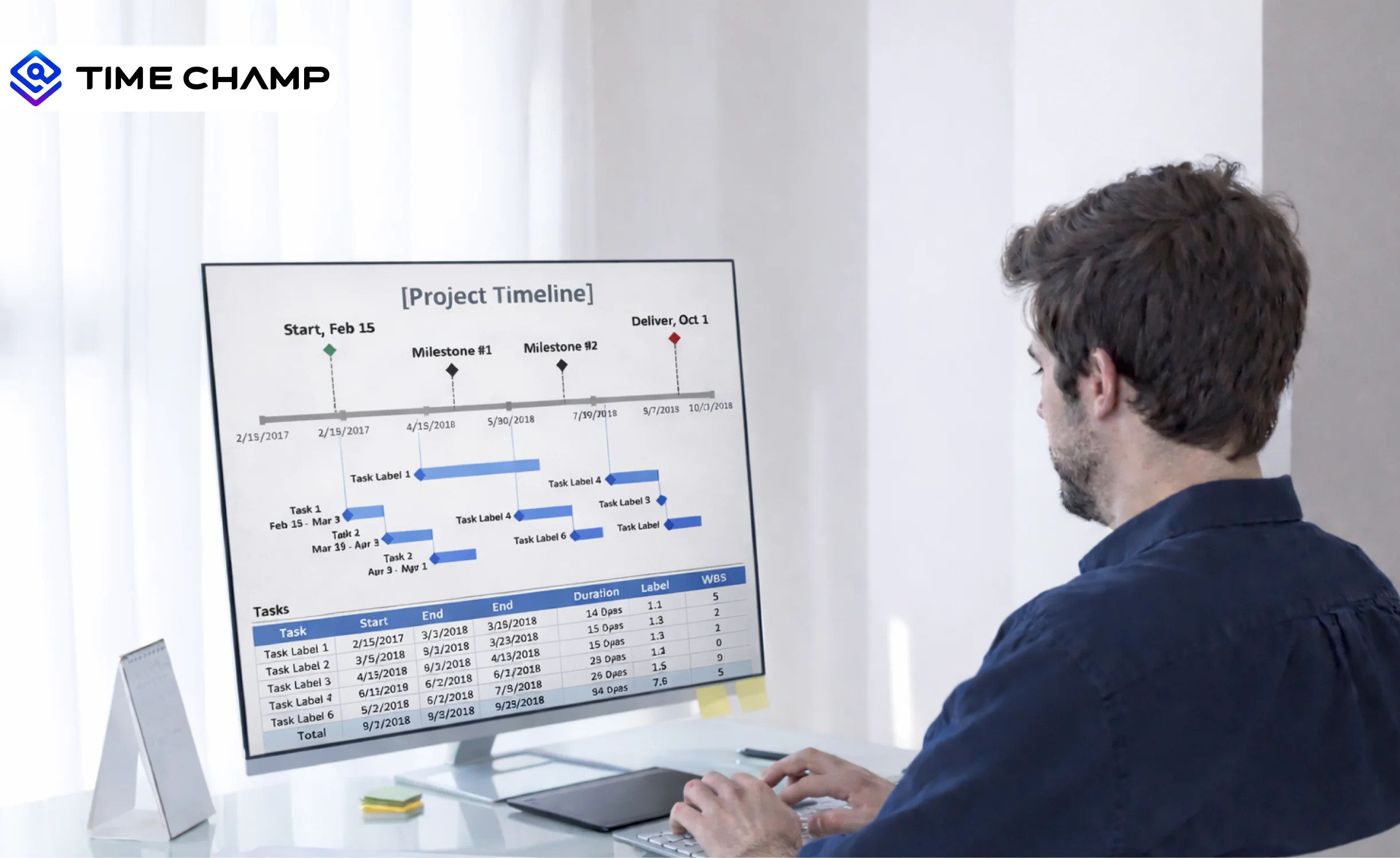
Understand project timelines, key components, examples, benefits, and step-by-step methods to create, manage, and optimize schedules.
Thasleem Shaik | Feb 18, 2026
Explore the essentials of project time management, its importance, best processes and top tips to meet deadlines without fail and boost workforce productivity.
Shabana Shaik | Oct 10, 2024


 4.7/5 avg.
Ready to Manage Your Workforce Smarter?
Join our family of 1500+ companies using smart insights to redefine workforces!

Free Trial
No Credit Card Required