What is a Project Charter? A Complete Guide for (2026)
Discover what a project charter is, its purpose, key components, and examples. Learn how to write an effective charter to start projects with clear direction.
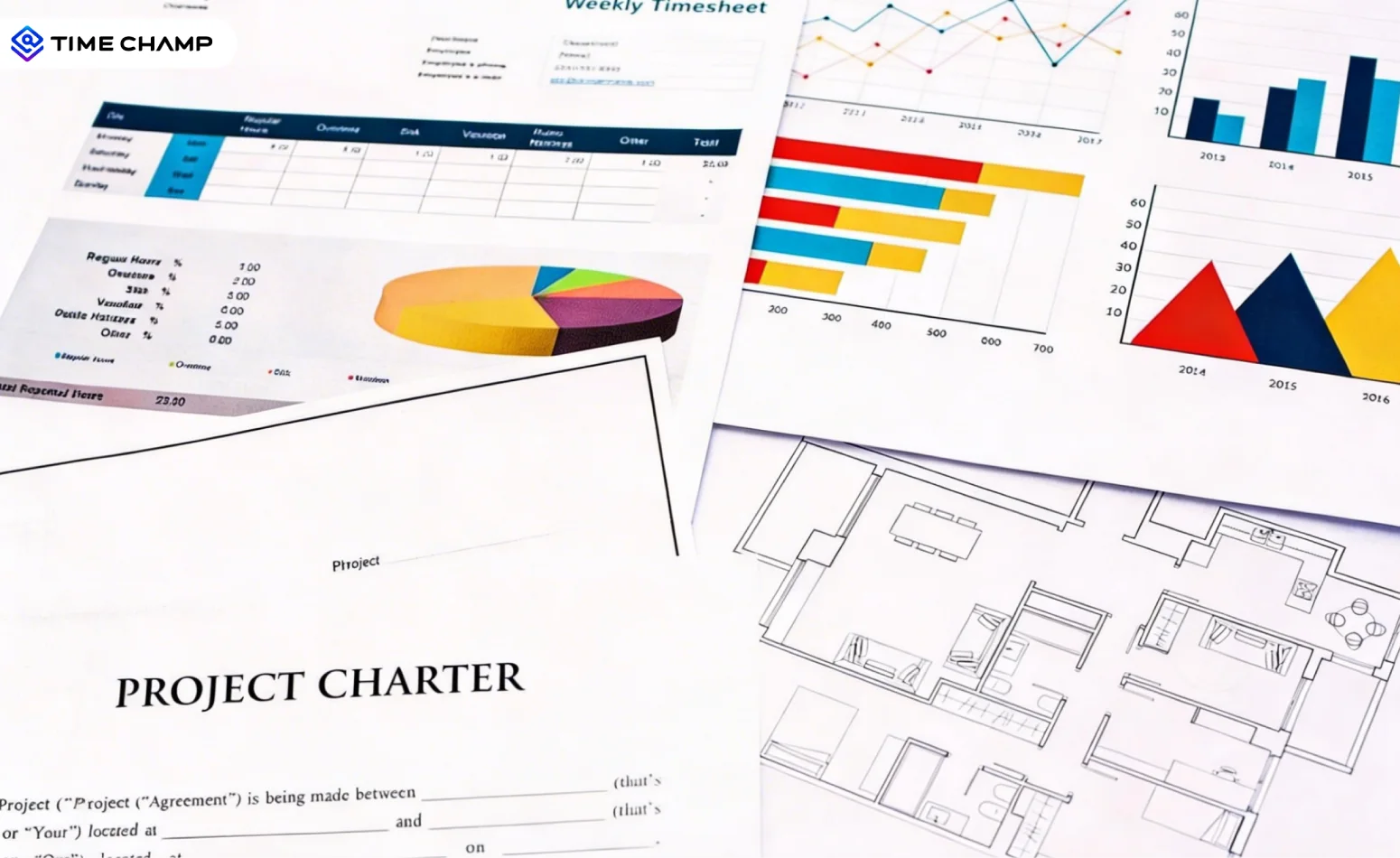
Most projects don’t fail because the idea is bad. They fail because the team never agreed on the goal, the scope, or who is responsible before the work begins. When these basics are unclear, confusion builds quickly, and progress slows down. A project charter solves this issue right at the beginning. It aligns every stakeholder on what the team is building, why it matters, and who owns what before the team assigns a single task. Teams that take Kanban Scrum comparison seriously avoid the most common rework cycles later.
In this guide, you'll discover what a project charter is, its components, how to craft one, and explore real examples for immediate use. If you are dealing with a project for the first time or if you are bringing uniformity to how your team starts working, this guide provides you with all the necessary information for creating a charter. It clearly defines responsibilities and sets a high level of accountability from the very first moment.
What Is a Project Charter?
A project charter is a formal document that officially authorizes a project and defines its foundation, including the project’s purpose, objectives, scope, key stakeholders, roles, timeline, and budget. It provides the clarity you need to allocate resources and begin execution with clear direction.
Before any work begins, the charter clearly explains the project’s purpose, boundaries, and expected outcomes. It helps every stakeholder and team member understand what the project includes, what it does not include, and how you will measure success.
The purpose of a project charter goes beyond documentation. It eliminates ambiguity that usually affects projects in the initial stages, such as a lack of ownership, scope confusion, and misaligned expectations. When approved, the charter serves as a common ground that your team can use during the whole process of the project life cycle.
Why Is a Project Charter Important?
According to the PMI, 93% of organizations use standardized project management practices, yet projects still fail regularly. In fact, the problem is rarely the process itself. Most often, it is the absence of a well-defined starting point. That's exactly where a project charter becomes essential for every project you run. Here's why it matters:
- Gets Real Authority: Without a charter, you're managing a project with no formal backing. The charter officially authorizes you to make decisions, assign resources, and move work forward without constant approval loops.
- Locks in Scope Before Work Begins: The project charter defines the scope before the team starts any work. It clearly outlines what to include and what to exclude, so the team avoids unexpected changes or new tasks during execution.
- Aligns Stakeholders Early: The charter helps you bring every decision-maker to the same understanding before the project begins. When everyone agrees on the priorities and goals early, you avoid confusion and address differences before the work moves forward.
- Sets Clear Goals and Success Metrics: Vague goals produce vague results. The charter ties your project to specific, measurable outcomes so you and your team know exactly what success looks like before work begins.
- Reduces Risk from the Start: The charter helps you identify possible risks before the project begins. You document known risks, clarify assumptions, and give early visibility into potential blockers.
Finding it hard to track whether projects follow the original plan?
Use Time Champ to monitor progress and stay aligned with your charter.
Is a Project Charter the Same as a Project Plan?
No, the project charter vs project plan is one of the most common points of confusion in project management, but they serve completely different purposes. The charter comes first. It authorizes the project, defines high-level goals, scope, and stakeholders, and gives you formal approval to begin. It is a short, strategic document focused on direction, rather than execution.
A project plan comes after stakeholders approve the charter. It's where you get the details, such as tasks, timelines, dependencies, resources, and milestones. Think of the charter as the "what and why" and the project plan as the "how and when." Both documents serve different purposes, so you need to use them at the right stage. If you mix up a project charter with a project plan, you might start working on tasks before stakeholders approve the project, or you might spend time planning detailed activities for a project that stakeholders have not fully agreed on yet.
What Are the Key Components of a Project Charter?
A strong charter doesn't need to be long. It needs to be complete. These are the core components of a project charter you should include before you kick off any project.

1. Project Title and Description
This section includes the name of your project and a short description explaining what the project aims to deliver. Keep it clear enough that anyone reading it, even outside your team, immediately understands what your team will build or deliver.
2. Project Objectives
It is important to define success in measurable terms. Any objective must be quantifiable in terms of a number or a deadline, or a definite result, so that your team is always aware of what they are striving to achieve. To make the objectives clear, you should answer questions such as:
- What are you trying to achieve?
- How will you measure it?
- What's the expected timeline for each goal?
3. Project Scope
This section clearly defines what the project will include and what it will not include. Setting these boundaries early helps everyone stay on the same page. A well-defined scope protects your team from scope creep, where stakeholders or team members gradually add extra tasks or requirements that impact timelines and resources. In this section, you usually document details such as:
- Defined project deliverables
- Out-of-scope items (clear project boundaries)
- Key assumptions guiding the project
4. Stakeholders and Roles
List every person or group who participates in the project or has a direct impact on it. This section clearly shows who is responsible for each part of the project and who needs to stay informed as the work progresses. It usually includes the following roles:
- Project sponsor
- Core team members and their responsibilities
- External stakeholders or clients
5. Budget Overview
You don't need a full financial breakdown at this stage, but you do need a rough estimate. Document the approved budget so everyone is working with the same number from day one. This section generally includes key financial details such as:
- Estimated total cost
- Key budget allocations
- Who can approve project expenses?
6. Approval and Sign-Off
The charter becomes official only when the right people sign it. This section confirms who reviewed it and who formally authorized the project to move forward. The approval section typically records:
- Project sponsor signature
- Key stakeholder approvals
- Date of authorization
What Are Some Examples of a Project Charter?
Project charter formats vary across industries and project types. These examples from different scenarios show how teams structure a charter in real-world projects.
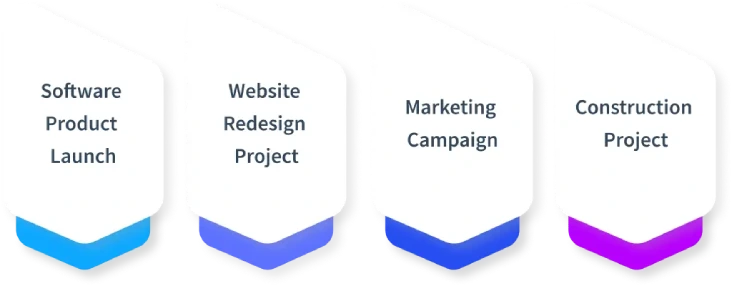
1. Software Product Launch
A SaaS company building a new analytics dashboard would structure its charter like this:
- Objective: Introduce a beta version to 500 users by 90 days and attain a 40% activation rate during the first 30 days of post-launch.
- Scope: Product development, internal QA testing, and beta onboarding. Excludes post-launch customer support and feature updates.
- Budget: $120,000 allocated across development, design, and testing activities.
- Timeline: Development complete by Month 2, beta launch by the end of Month 3.
- Risk: Third-party API dependency could lead to a delay of up to 2 weeks.
This charter gives the engineering and product teams a clear target, a defined boundary, and a shared budget number before a single sprint begins.
2. Website Redesign Project
A mid-sized e-commerce brand redesigning its website would make a charter like this:
- Objective: Achieve a 30% rise in organic traffic and bring down the bounce rate from 68% to less than 50% within six months after the launch.
- Scope: Redesign of home page, product pages, and checkout process flow. Excludes post-launch content updates and third-party app integrations.
- Budget: $80,000 that would cover UX design, development, SEO, and testing.
- Timeline: Design approval by Week 4, development complete by Week 10, launch by Week 14.
- Risk: Content migration may extend the timeline if legacy data is inconsistent.
3. Marketing Campaign
A consumer brand running a product launch campaign would document it as:
- Objective: Reach 1 million online impressions within 3 months and secure coverage in at least 5 industry publications.
- Scope: Social media campaigns, influencer partnerships, email marketing, and a launch event. Excludes paid TV commercials and international market campaigns.
- Budget: $500,000 in creative production, digital advertising, PR, and events.
- Timeline: Campaign live by Month 2, performance review at Month 3.
- Risk: Influencer availability and platform algorithm changes may affect reach targets.
4. Construction Project
A real estate developer building a residential complex can write a charter like this:
- Objective: Complete construction within budget and deliver occupancy-ready units before the end of Month 30.
- Scope: Site preparation, structure building, interiors, landscaping, and parking. Excludes commercial retail units and future expansion phases.
- Budget: $50 million, including 5% contingency.
- Timeline: Construction start - Month 1, structural completion - Month 18, final handover - Month 30.
- Risk: Material availability and zoning approvals may affect the start date.
Each of these project charter example scenarios follows the same structure but adapts to the context of the project. The numbers, scope boundaries, and risk changes, but the logic stays the same across every industry.
Launching projects but struggling to maintain clarity across teams?
Use Time Champ to connect your project charter with real-time visibility.
How to Write an Effective Project Charter?
You don't have to complicate writing a project charter. Most teams overthink it by trying to document everything at once. A good charter stays focused, remains clear, and follows a logical order. Here's exactly how to write a project charter that earns approval and teams actively use.

Step 1: Gather Input from Stakeholders First
First of all, have a chat with your project sponsor and the major stakeholders. Get to know their expectations, what is most important to them, and what worries them. Such a discussion provides you with the basic material to complete the sections properly. If you skip this step, you need to rewrite the charter again after the first review.
Step 2: Define the Purpose, Scope, and Objectives
Write a clear statement explaining why this project exists, what it will deliver, and what falls outside its boundaries. Tie every objective to a measurable outcome or deadline. A goal like "enhance team collaboration" is too unclear. Something like "reduce response time by 40% before Q3" gives your team a real target to work toward.
Step 3: Assign Roles, Budget, and Timeline
Make a list of all the people involved in the project and specify what each of them owns. After that, write down the approved budget along with a high-level schedule showing the main milestones. At this point, there's no need for a detailed financial plan, just a figure that everyone can agree on and some significant milestones so that everyone is on the same page from the same baseline.
Step 4: Use a Project Charter Template
Starting from a blank page increases the chances of missing something important. A project charter template gives you a proven structure to follow so you can focus on filling in the right information. Most project charter templates cover every core component from scope and objectives to risks and approvals. Pick one that fits your project type and adjust it to your team's needs.
Step 5: Get It Reviewed and Signed Off
Any charter that does not have formal approval is merely a draft. You should review each section with your sponsor and the key stakeholders to make sure everyone agrees with the details. After you approve the charter, the project becomes officially authorized, and your team can move into planning with full confidence.
What Are the Pros and Cons of a Project Charter?
A project charter brings structure to the beginning of a project, but it also requires effort and alignment to create. When you understand both the advantages and disadvantages, you can decide when and how to use it effectively. Here’s a simple overview of the advantages and limitations:
| Pros | Cons |
|---|---|
| Creates alignment on goals, scope, and responsibilities early, reducing misunderstandings during execution. | Requires upfront time and discussion before actual work begins. |
| Defines clear boundaries, making it easier to control project scope and avoid unnecessary additions. | May feel excessive for very small or low-risk projects. |
| Clarifies accountability, so you know who approves decisions and who owns outcomes. | Needs stakeholder agreement, which can slow initial approval. |
| Provides a reference point when priorities shift or conflicts arise. | Does not replace a detailed project plan for day-to-day management. |
| Increases approval confidence because you document objectives and expectations clearly. | It loses value if you do not update it when major changes occur. |
How Does a Project Charter Differ from a Business Case?
These two documents often confuse because they both show up early in a project. The key difference is simple. A business case vs a project charter comes down to timing and purpose. The business case addresses, "Should we do this project?" and the charter asks, "How do we run this approved project?" One helps you to justify the project, and the other formally approves it.
Here’s a quick comparison between a project charter and a business case.
| Factor | Business Case | Project Charter |
|---|---|---|
| Purpose | Justifies why the project is worth doing. | Formally authorizes the project to begin. |
| When You Create It | Before stakeholders approve the project. | After stakeholders approve the business case. |
| Main Focus | ROI, costs, benefits, and financial feasibility. | Scope, objectives, roles, timeline, and budget. |
| Key Question It Answers | Is this project worth the investment? | What are we delivering and who is responsible? |
| Level of Detail | Financial analysis, risk assessment, alternatives. | High-level execution plan and boundaries. |
| Outcome | Project approval or rejection. | The project officially kicked off with the authority. |
| Created By | Business analyst or project sponsor. | Project sponsor with input from the team. |
How to Manage and Track Project Charters with Greater Clarity?
Writing a project charter marks the beginning of the process. The actual challenge comes when you have to keep track of goals, monitor the progress, and make sure that the initial scope remains the same during the execution. When teams rely on scattered documents or manual updates, alignment fades quickly, and decisions lose context.
A workforce intelligence platform like Time Champ helps you maintain visibility from project initiation to completion. Instead of treating the charter as a static file, you can connect goals, timelines, accountability, and performance data in one structured environment. With real-time dashboards and utilization insights, you see whether work aligns with approved objectives and where you need to make adjustments. This approach keeps your project foundation active, measurable, and aligned with business priorities.
Struggling to keep everyone aligned on project goals?
Use Time Champ to maintain clear direction from the project kickoff to completion.
Conclusion
A project charter establishes the direction for all upcoming work. When you define purpose, scope, ownership, and expectations clearly at the start, you prevent confusion that usually surfaces halfway through execution. It gives you structure before tasks begin and a reference point when decisions become complex. If you take the time to document your direction properly, you move into planning with confidence instead of assumptions. This clarity helps keep the project focused and increases the chances of completing it successfully.
Table of Content
-
 What Is a Project Charter?
-
Why Is a Project Charter Important?
-
Is a Project Charter the Same as a Project Plan?
-
What Are the Key Components of a Project Charter?
-
What Are Some Examples of a Project Charter?
-
How to Write an Effective Project Charter?
-
What Are the Pros and Cons of a Project Charter?
-
How Does a Project Charter Differ from a Business Case?
-
How to Manage and Track Project Charters with Greater Clarity?
-
Conclusion
Related Blogs
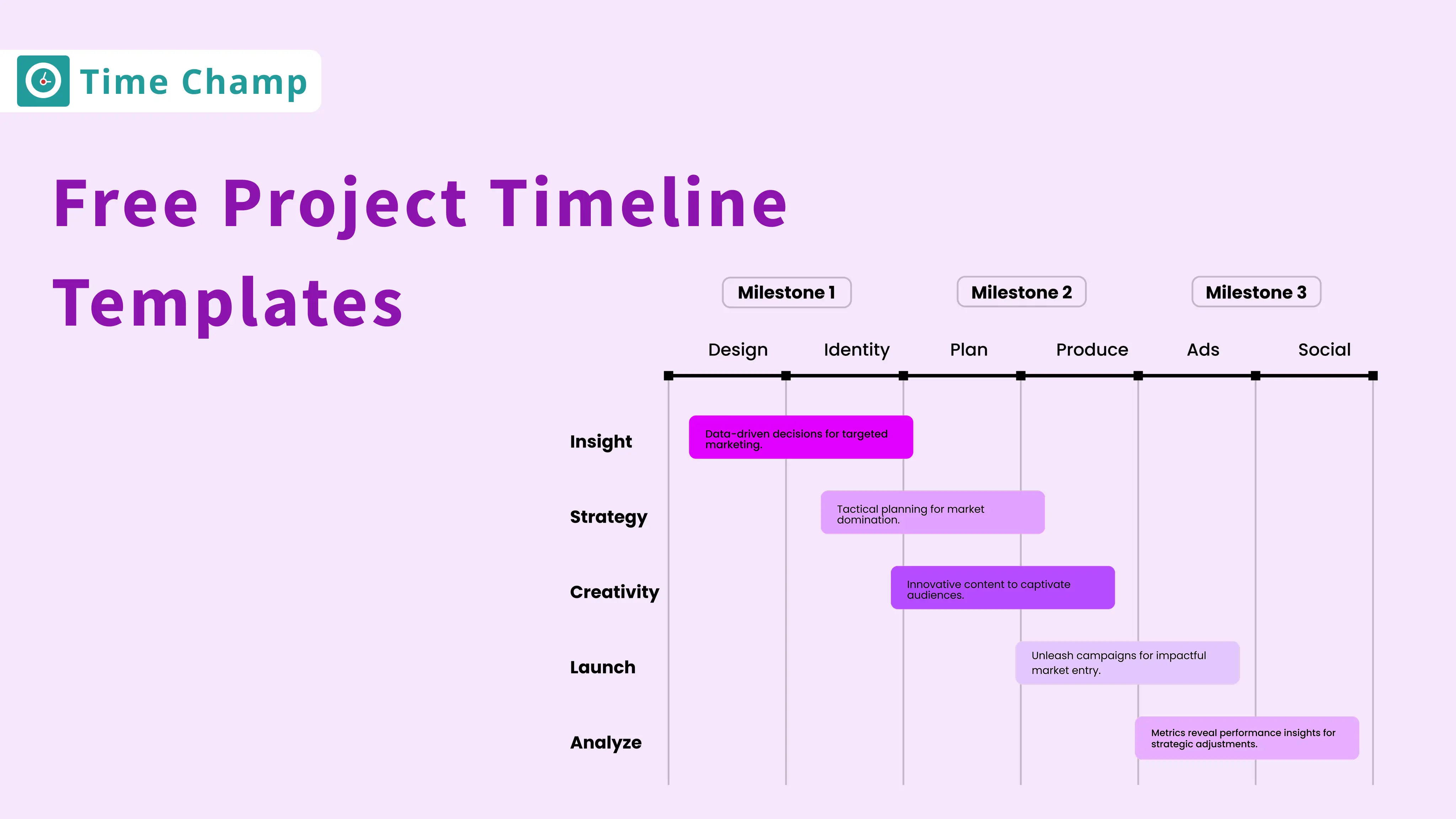
Download 7 free project timeline templates in Excel, Word & PDF to plan, organize, and track projects efficiently, ensuring your team stays on schedule.
Guna Lakshmi | November 07, 2025
Learn to create and leverage SMART goals effectively in project management for better planning, execution, and success. Get expert insights now!
Mounika Sai | Dec 06, 2023
Best construction project management tools that improve contractor performance, procurement, and team collaboration for professionals in the construction field.
Mounika Sai | Dec 06, 2023
Find out what a project description is and know its meaning and get user-friendly templates to help you outline your projects.
Shabana Shaik | Jun 03, 2024
Explore free project deliverables templates in Excel, Word, and PDF formats to track progress, manage tasks, and ensure on-time delivery.
Thasleem Shaik | November 03, 2025
Explore 7 free project planning templates to plan, schedule, and manage projects effectively. Download in Excel, Word & PDF and boost your project success.
Chetana Choudary | November 11, 2025


 4.7/5 avg.
Ready to Manage Your Workforce Smarter?
Join our family of 1500+ companies using smart insights to redefine workforces!

Free Trial
No Credit Card Required