Managing Hybrid Teams: 10 Proven Strategies for Collaboration
Struggling with managing hybrid teams? Explore practical tips to boost collaboration, prevent communication gaps, and improve team performance.
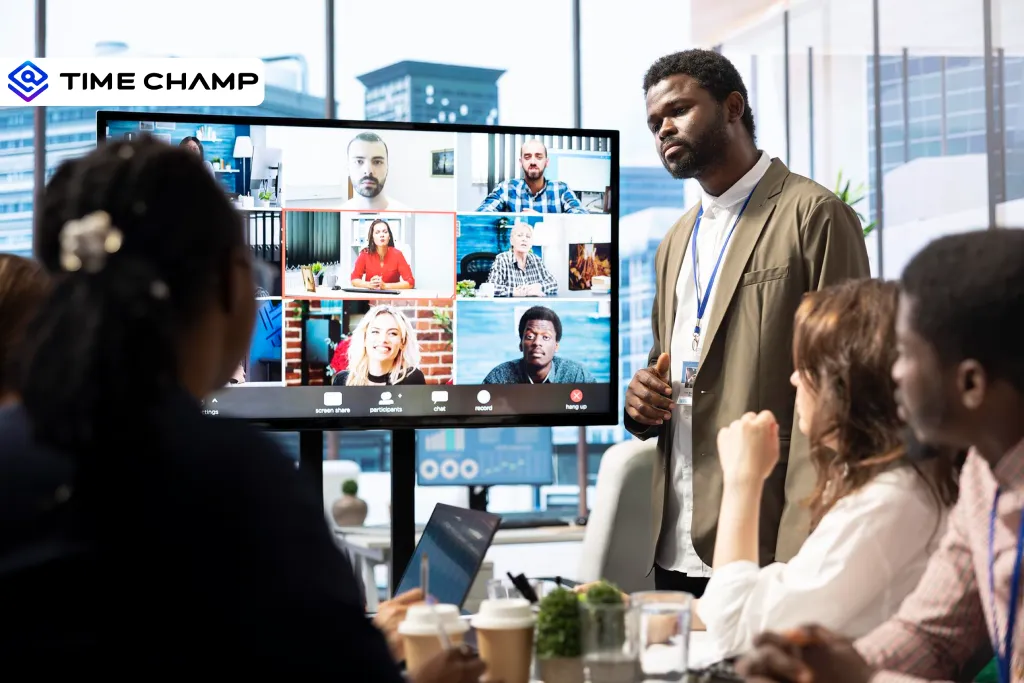
When you're managing hybrid teams, you need to keep employees connected, productive, and engaged, whether they're working remotely or in the office. The good news is that with the right strategies, you can build trust, improve collaboration, and create a high-performing hybrid workforce.
Ready to take your hybrid team management skills to the next level? In this guide, you'll uncover 10 practical and proven strategies to boost collaboration and strengthen your communication.
What Is a Hybrid Team?
A hybrid team is a workforce with both remote and in-office employees who work together toward common goals. Team members may work on-site, remotely, or alternate between both locations, providing flexibility while supporting collaboration and productivity.
This type of work arrangement gives you flexibility and allows you to work in ways that suit your needs. To make a hybrid team successful, you need effective communication, collaboration tools, and equal support for both remote and in-office employees.
Why Managing Hybrid Teams Is So Challenging
Managing hybrid teams can be challenging because your employees work from different locations, follow different schedules, and have varying workplace experiences. Here are some of the key reasons why managing hybrid teams can be difficult.
Communication Gaps
Communication is one of the biggest challenges in a hybrid work environment. When employees work from different locations, important updates, discussions, and decisions may not reach everyone at the same time. This can create communication gaps that affect collaboration, alignment, and productivity.
Visibility and Proximity Bias
Hybrid workplaces can create unequal visibility among employees. Employees who are regularly present in the office often have more opportunities for direct interaction with managers and leaders, which may increase their visibility and access to advancement opportunities.
Collaboration Across Locations
Effective collaboration requires coordination, communication, and access to shared resources. In hybrid teams, differences in schedules, locations, and work styles can make collaboration more complex. Without clear processes and reliable collaboration tools, projects may experience delays and reduced efficiency.
Maintaining Team Culture
Creating and sustaining a strong workplace culture can be difficult when employees are split between remote and in-office environments. Fewer face-to-face interactions can make it harder for you to build relationships and stay connected to your colleagues and the organization's values.
Struggling to keep hybrid employees aligned and productive?
See how Time Champ helps you track attendance and gain real-time visibility into your hybrid workforce!
10 Best Practices for Managing Hybrid Teams Successfully
Successfully managing hybrid teams requires more than simply allowing employees to work from different locations. You need the right strategies to keep your team connected, productive, and engaged. Here are 10 best practices that can help you lead a high-performing hybrid workforce.
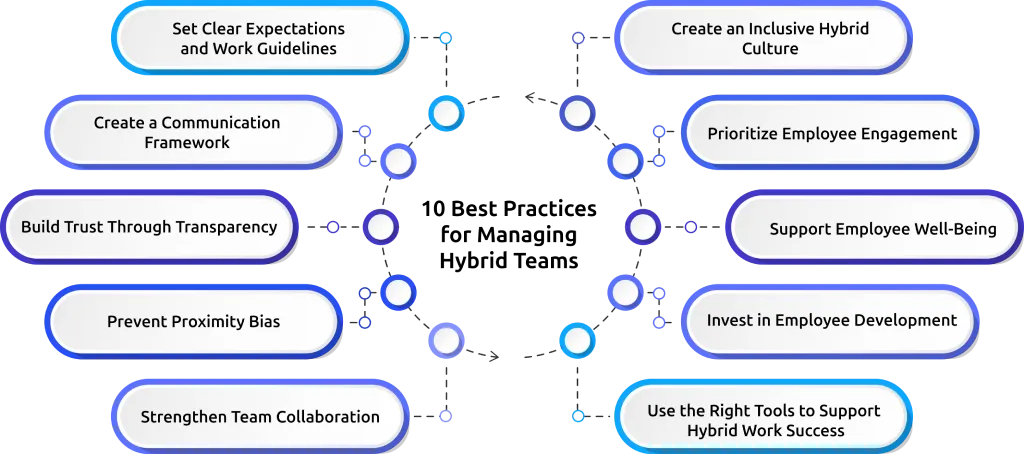
1. Set Clear Expectations and Work Guidelines
Clearly define work schedules, communication channels, performance expectations, and team responsibilities. When everyone understands what's expected of them, you can reduce confusion and improve accountability.
This also helps employees prioritize their work more effectively. Clear work guidelines create consistency across both remote and in-office teams.
2. Create a Communication Framework
Establish guidelines for how your team communicates and collaborates. Decide when to use email, chat, video calls, or project management tools to ensure information is shared consistently across the team.
Consistent communication keeps everyone informed and aligned. It also reduces misunderstandings and unnecessary delays.
3. Build Trust Through Transparency
Share goals, decisions, and updates openly with your team. Transparent communication helps build trust, encourages collaboration, and ensures employees feel informed and valued.
Employees are more likely to stay engaged when they understand the reasons behind decisions. Open communication also creates a stronger sense of accountability.
4. Prevent Proximity Bias
Make sure remote and in-office employees have equal access to opportunities, recognition, and career growth. Focus on performance and results rather than physical presence when evaluating employees.
Treating employees fairly helps build trust across the team. It also ensures everyone feels valued regardless of where they work.
5. Strengthen Team Collaboration
Provide your team with the tools and processes they need to work together effectively. Encourage knowledge sharing, regular check-ins, and collaborative projects that keep everyone aligned.
Strong collaboration helps teams solve problems faster and achieve better results. It also creates stronger connections between employees working in different locations.

Did You Know?
A Stanford University study found that hybrid work reduced employee turnover by 33% without negatively affecting productivity or performance.
6. Create an Inclusive Hybrid Culture
Make every employee feel like part of the team, regardless of where they work. Include remote employees in meetings, celebrations, and important discussions to create a sense of belonging.
An inclusive culture helps employees feel connected to the organization. It also encourages participation and teamwork across the workforce.
7. Prioritize Employee Engagement
Stay connected with your employees through regular feedback, recognition, and one-on-one conversations. Employee engagement drives motivation, productivity, and commitment.
Recognizing employee contributions can significantly boost morale. Regular check-ins also help you identify and address concerns early.
8. Support Employee Well-Being
Encourage healthy work habits and help your employees maintain a balance between work and personal life. Supporting well-being can reduce stress, improve morale, and prevent burnout.
Encourage employees to take breaks and manage their workloads effectively. A healthy workforce is more resilient, productive, and engaged.
9. Invest in Employee Development
Provide training, mentoring, and growth opportunities to help employees build new skills and advance their careers. Continuous development keeps employees engaged and prepared for future challenges.
It also shows employees that the organization is invested in their success. This can improve retention and long-term performance.
10. Use the Right Tools to Support Hybrid Work Success
The right technology helps your hybrid team stay connected, collaborate effectively, and remain productive. Invest in communication, collaboration, and workforce management tools that simplify tasks, improve workforce visibility, and support employees wherever they work.
Want better visibility into your hybrid workforce?
See how Time Champ helps you track employee attendance, monitor performance, and make informed workforce decisions.
How to Build Trust in Hybrid Teams
Trust is the foundation of every successful hybrid team. When your hybrid employees trust you and their colleagues, they're more likely to communicate openly, collaborate effectively, and stay engaged. Here are five ways you can build and maintain trust in a hybrid work environment.
Encourage Open Communication
Create an environment where employees feel comfortable sharing ideas, concerns, and feedback. Encourage regular conversations and make yourself accessible to team members. Open communication helps prevent misunderstandings and strengthen relationships across the team.
Lead with Consistency
Be consistent in your decisions, communication, and expectations. When employees know what to expect from you, they're more likely to trust your leadership. Consistency also helps create a sense of fairness and stability within the team.
Create Psychological Safety
Make sure employees feel safe expressing their opinions, asking questions, and admitting mistakes without fear of judgment. When people feel respected and supported, they're more willing to contribute ideas and take initiative. This leads to greater collaboration and innovation.
Recognize Employee Contributions
Acknowledge and celebrate employee achievements, whether they're working remotely or in the office. Recognizing employees regularly demonstrates that you value and appreciate their contributions. It also helps boost morale and reinforces positive behavior.
Foster Strong Team Relationships
Give employees opportunities to connect beyond work tasks through team meetings, virtual events, or collaborative projects. Strong relationships help build trust and improve teamwork. When employees feel connected to their colleagues, they're more likely to support one another and work toward shared goals.
Common Mistakes to Avoid When Managing Hybrid Teams
Managing hybrid teams comes with unique challenges, and even small mistakes can affect productivity, collaboration, and employee engagement. Being aware of these common pitfalls can help you create a more balanced and effective hybrid work environment.
- Micromanaging Employees: Constantly monitoring employees can reduce trust and limit their ability to work independently. Focus on outcomes rather than closely tracking every activity.
- Favoring In-Office Workers: Giving more recognition, opportunities, or visibility to office-based employees can create feelings of unfairness among remote team members.
- Scheduling Too Many Meetings: Excessive meetings can disrupt productivity and leave employees with less time to focus on meaningful work. Keep meetings purposeful and only involve relevant participants.
- Ignoring Employee Feedback: Employees want to know that their opinions and concerns matter. Regularly gathering and acting on feedback helps improve engagement and trust.
- Prioritizing Activity Over Results: Measuring success based on hours worked or online status can be misleading. Instead, evaluate employees based on their contributions, performance, and outcomes.
How Time Champ Helps in Managing Hybrid Teams
Managing hybrid teams becomes easier when you have the right tools to improve visibility, accountability, and productivity. Time Champ helps you manage remote and in-office employees from a single platform, making it easier to support a high-performing hybrid workforce.
Time Champ is an employee monitoring and hybrid work management software that helps you effectively manage hybrid teams and track productivity. It also improves collaboration between remote and in-office employees and enhances overall workforce performance.
- Hybrid Work Dashboard: Get a centralized view of your hybrid workforce, including attendance, work locations, compliance status, and team performance metrics.
- Live View: Monitor employee availability and work status in real time, helping you stay informed about team activity across different locations.
- Attendance Tracking: Accurately track employee attendance, work hours, and location-based check-ins to ensure adherence to hybrid work schedules.
- Compliance Management: Ensure employees follow hybrid work policies and office attendance requirements while reducing policy violations and compliance risks.
- Approvals Management: Simplify approval processes for attendance regularizations, work-from-home requests, schedule changes, and other workforce-related requests.
- Schedule Management: Create and manage flexible hybrid work schedules, ensuring proper workforce coverage while supporting employee flexibility.
- Summary Reports: Access detailed reports on attendance, compliance, productivity, and workforce trends to make informed decisions and improve team performance.
Ready to simplify hybrid team management?
From attendance tracking to productivity insights, Time Champ helps you manage your hybrid workforce more effectively!
Conclusion
Managing hybrid teams requires clear communication, trust, collaboration, and the right technology. Following these best practices and avoiding common mistakes helps create a more connected, productive, and engaged workforce.
Use tools like Time Champ to simplify hybrid team management, track attendance, monitor productivity, maintain compliance, and gain real-time visibility into workforce performance.

Guna Lakshmi

Table of Content
 What Is a Hybrid Team?
- Why Managing Hybrid Teams Is So Challenging
- 10 Best Practices for Managing Hybrid Teams Successfully
- How to Build Trust in Hybrid Teams
- Common Mistakes to Avoid When Managing Hybrid Teams
- How Time Champ Helps in Managing Hybrid Teams
- Conclusion
Related Blogs

Discover the hybrid work model, which blends office and remote environments for greater flexibility and productivity.
Thasleem Shaik | Oct 25, 2024
Learn how to create an effective hybrid work schedule in 6 simple steps. Improve collaboration and productivity with a schedule that works for your team.
Guna Lakshmi | Jun 12, 2026
Learn what a hybrid work policy is, see the 9 essential components to include, and download, edit, and use your free hybrid work policy template.
Guna Lakshmi | Jun 13, 2026
Compare hybrid and remote work models to determine which improves your team's productivity, collaboration, flexibility, and long-term business performance.
Anjali | Jun 16, 2026
Protect sensitive business data in hybrid work environments with strong security controls and practical strategies to prevent data breaches.
Guna Lakshmi | Jun 10, 2026
Explore the challenges and benefits of hybrid work and discover strategies for effective team management to enhance flexibility, productivity, and smooth communication.
Thasleem Shaik | Oct 25, 2024


 4.7/5 avg.
Ready to Manage Your Workforce Smarter?
Join our family of 1500+ companies using smart insights to redefine workforces!

Free Trial
No Credit Card Required