How to Improve Remote Team Alignment with Company Goals
Learn effective remote team alignment strategies to enhance communication, boost productivity, and keep your team connected.
What separates high-performing remote teams from those that constantly struggle to stay on the same page? It’s not just talent or tools, it’s alignment. When every team member understands their role, goals, and how their work fits into the bigger picture, collaboration becomes effortless. But achieving this level of clarity doesn’t happen by chance. It requires intentional strategies that foster communication, accountability, and shared purpose. In this article, we’ll explore how to create seamless remote team alignment and keep your team moving forward.
What is Remote Team Alignment?
Remote team alignment refers to the process of ensuring that all members of a team working remotely are on the same page in terms of goals, values, priorities, communication, and expectations. It involves coordination of efforts, clarification of roles, and mutual understanding of objectives to ensure success in the performance of the task despite working from different locations.
Why Remote Team Alignment Matters to Achieve Company Golas
In the era of digital transformation and hybrid work models, remote teams have become a cornerstone of modern business. However, with physical isolation and asynchronous communications come unique problems in terms of alignment and all members having an equal understanding regarding goals, processes, and values critical in order to lead the team forward. Here are why remote team alignment matters:
-
Creates adequate communication by voiding ambiguity in written/asynchronous workflows and aligning priorities.
-
Maintains attention towards common goals to avoid siloed work and puts personal efforts in accordance with organizational objectives.
-
Enhances collaboration and efficiency by clarifying roles, interdependencies, and workflows.
-
Builds trust and accountability through clear expectations and ownership of responsibilities.
-
Fosters a cohesive culture by aligning work styles, values, and communication norms across diverse teams.
-
Supports adaptability by enabling teams to pivot quickly during market or priority shifts.
-
Boosts productivity and morale by reducing friction, aligning feedback, and connecting work to meaningful outcomes.
Boost team efficiency with Time Champ’s smart tracking!
Streamline workflows and maximize productivity.
Effective Ways to Improve Remote Team Alignment with Company Goals
Keeping a remote team aligned isn’t just about setting goals, it’s about clear communication, collaboration, and a shared vision. In this section, we’ll dive into powerful strategies to keep your team connected, engaged, and working seamlessly toward success.
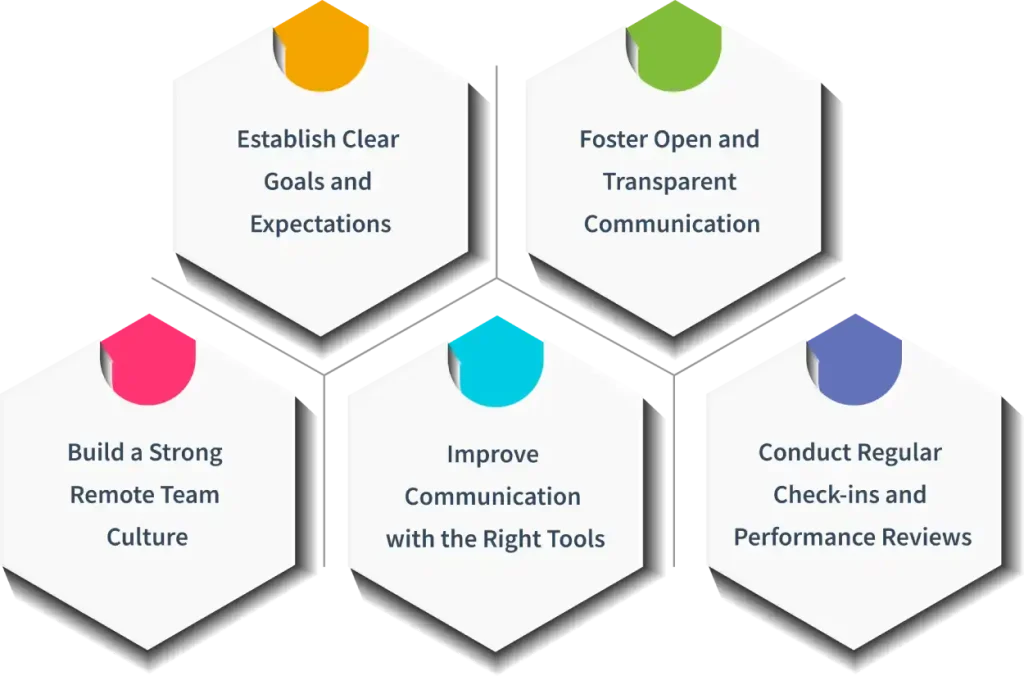
1. Establish Clear Goals and Expectations
Clarity is the foundation of a well-aligned remote team. Leaders should explain the purpose, outline the responsibilities, and have a clear communication of expectations. The introduction of goal-setting frameworks, such as OKRs or SMART goals allows employees a crisp understanding of priorities and the measurement of progress against those priorities.
To keep everyone on track, document key objectives in a shared platform, ensuring accessibility for all team members. With larger goals, plan the completion of smaller tasks to clarify what needs to be done. Encourage team members to regularly update the tasks they have done for everyone to see so that everyone is in the loop.
2. Foster Open and Transparent Communication
Transparency is the very foundation of remote teamwork. Foster a culture where team members freely ask questions and seek clarifications, reducing the risk of assumptions and miscommunication. Proactively share updates in daily standups, through weekly summaries, or while using other async tools such as Loom videos so that the entire team remains up to date despite time zone differences. Address conflicts constructively and promptly to prevent resentment from building up. By keeping transparency at the top of their game, teams will be able to bridge some of the understanding gaps and still keep trust while working apart.
3. Build a Strong Remote Team Culture
A cohesive culture is vital for remote teams to thrive. Foster connection through virtual team bonding activities like coffee chats, trivia sessions, or hobby-sharing events to replicate the camaraderie of in-person offices. Announce milestones, large and small, in public to create a culture of shared purpose and inspire morale. Identify your guiding principles, such as accountability, empathy, or innovation, and lead by example as those principles are woven into the daily interactions. Provide informal channels such as Slack for non-work-related chats to encourage spur-of-the-moment interactions and relationships that go beyond mere tasks.
4. Improve Communication with the Right Tools
Leverage technology to streamline collaboration and reduce friction. Use project management tools like Asana or Trello to host tasks, deadlines, and progress-tracking updates under one roof. Use communication platforms such as Slack or Microsoft Teams for real-time discussions and cube updates, so everybody’s on the same page. Standardizing documentation tools Notion or Confluence would allow tasks and knowledge to be accessible and organized. Make video conferencing platforms like Zoom for critical meetings, as face-to-face interaction builds rapport and clarifies nuances that text alone cannot convey.
5. Conduct Regular Check-ins and Performance Reviews
The team should establish feedback loops to stay aligned. Scheduling weekly one-on-ones will provide time for discussing where everyone has got with their work, issues, and the growth of the individual team members, thus building trust between the managers and team members.For teams looking to reflect on project progress and continually improve collaboration, incorporating sprint retrospectives made easy can provide an inclusive platform for open feedback and actionable insights. This approach ensures every voice is heard, driving engagement and alignment throughout remote projects.
Conduct retrospective meetings at the end of major projects to assess success and possible areas for improvement, using the gained knowledge to create actionable changes. Align performance reviews with predetermined goals so as to assess contributions objectively and fairly. Use continuous feedback to tweak workflows, tools, or expectations in real-time so that teams can remain adaptive and aligned with evolving priorities.
Boost team efficiency with Time Champ’s smart tracking
Streamline workflows and maximize productivity.
What are the Common Challenges in Remote Team Alignment
Keeping a remote team aligned isn’t always easy, miscommunication, unclear goals, and silos can derail productivity. In this section, we uncover the biggest challenges teams face and how they silently impact collaboration.
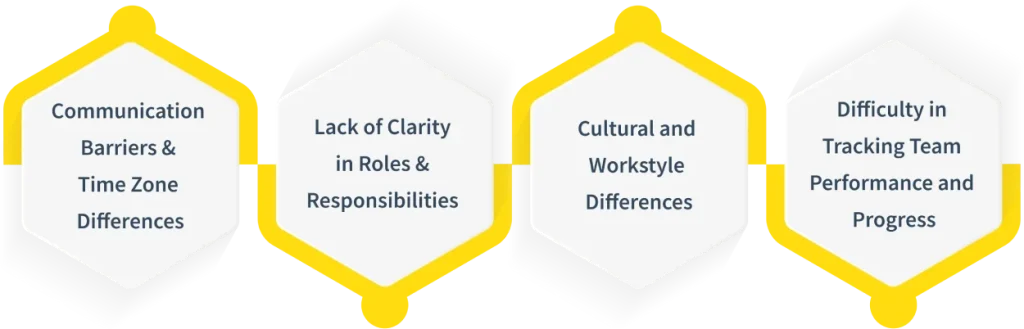
1. Communication Barriers & Time Zone Differences
Remote teams often encounter fragmented communications due to the reliance on written messages, which lose tone and context and may cause confusion. While communication via asynchronous does slow decision-making processes, the time zone differences make it difficult to collaborate in real-time.
For instance, a team member in Tokyo may present work right before the end of the day, only for feedback to come in hours later from a colleague in New York. Without overlapping work hours or the right tools to bridge the gaps, critical tasks can stall, slowing progress and weakening team cohesion.
2. Lack of Clarity in Roles & Responsibilities
Unclear expectations can lead to confusion, duplication of effort, and work falling through the cracks. In the remote situation, this effect is worsened by the absence of any face-to-face supervision to override this. Team members may believe someone else is handling it or refuse to take up their ownership unless explicitly instructed.
For example, two developers working on the same feature with no knowledge could end up wasting time and resources. Without documented processes and a framework under which people are held accountable, teams are bound to become inefficient and frustrated.
3. Cultural and Workstyle Differences
Diverse teams bring varied approaches to issues such as communication, deadlines, and problem-solving techniques. A team member accustomed to hierarchical decision-making will wait for approval. On the other hand, another member coming from a culture of a more autonomous society is independent. Different working hours, communication styles like direct versus indirect, or observance of hard deadlines may well create friction. Without alignment on norms, these differences may escalate into conflicts or erode trust over time.
4. Difficulty in Tracking Team Performance and Progress
Without physical presence, managers may find it challenging to measure productivity levels or spot bottlenecks affecting workflow. The traditional metrics of hours worked become irrelevant, whereas output-based tracking requires clear and measurable goals.
For example, a project may appear “on track” on the task management tool, but probably there are some hidden challenges like unclear requirements or skill problems that might slow delivery. Relying wholly on self-reports has some risks of inaccuracy, whereas excessive checking can breed distrust. Striking a balance between autonomy and accountability is critical.
Struggling with remote team alignment?
Time Champ bridges gap, enhances collaboration, and keeps productivity on track.
How Can Time Champ Help Improve your Remote Team Alignment?
Each successful remote team is based on effective communication and good collaboration. Without such proper solutions in order, chaos, delays, and inefficiencies are just around the corner. That’s where Time Champ makes all the difference! As a top-tier workforce management platform, it keeps everyone aligned, optimizes workflows, and fosters complete transparency.
Want to see how Time Champ can elevate your remote team’s performance? Here are the standout features that make collaboration effortless and productivity seamless!
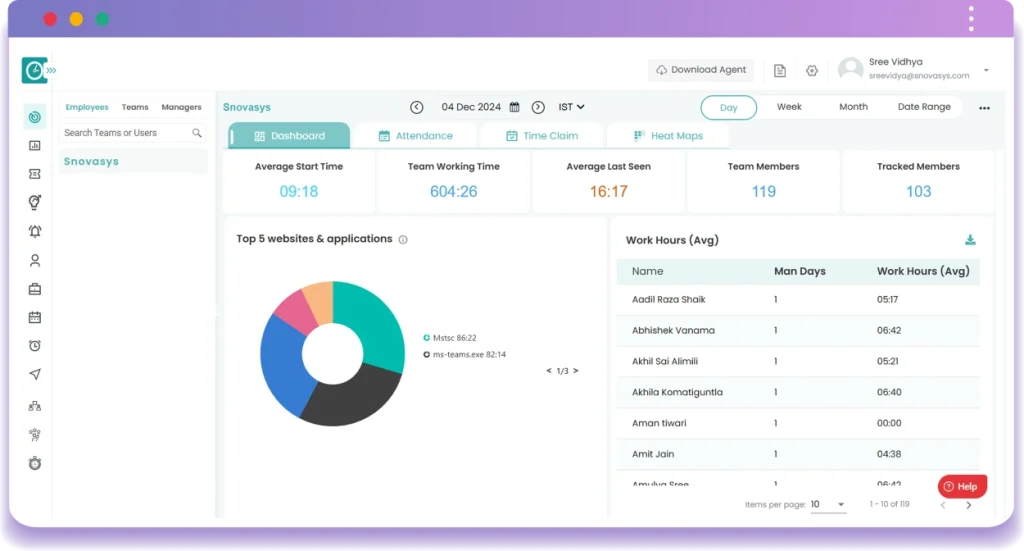
1. Real-Time Visibility into Workflows
Time Champ’s time tracking feature provides detailed insight into how team members spend their time, providing transparency across tasks and projects. By tracking active hours on projects-based tasks, managers can quickly isolate inconsistencies, such as unbalanced workloads or delays, and redistribute resources as necessary to keep everyone on track. Team members gain clarity on priorities, therefore reducing uncertainty around what to focus on next.
2. Productivity Monitoring
Tracking productivity in a remote setup is often difficult without good visibility. It provides automated tracking, and time analysis, and helps managers understand work patterns and efficiency. By spotting potential bottlenecks in advance, teams can reconfigure workflows to stay on course. Real-time performance insights offer timely support for remote employees, creating accountability for workloads and consideration of fair workloads to help better coordination among teams.
3. Smart Scheduling & Time Zone Sync
Remote teams often operate across multiple time zones, making coordination difficult. Time Champ simplifies scheduling with automated time zone adjustments, ensuring meetings and deadlines are convenient for all members. This feature also helps users avoid confusion so that overlapping schedules or missed deadlines become a rare occurrence. With built-in reminders, remote associates have an efficient way to mark their work schedules, thereby ensuring that all team members stay at par with project schedules and deadlines.
4. Streamlined Task & Project Coordination
Time Champ’ project management feature simplifies project coordination by providing a structured and intuitive platform to manage tasks and deadlines efficiently. With a centralized dashboard, teams can seamlessly plan, assign, and track project progress in real time. Managers can define clear milestones, set task priorities, and monitor workloads to ensure balanced distribution across the team. Automated updates and notifications keep everyone informed, minimizing delays and miscommunication. By integrating task dependencies and progress tracking, Time Champ ensures that projects stay on course, making collaboration smoother and execution more efficient.
By integrating these powerful features, Time Champ transforms remote team collaboration, creating an environment where clarity, efficiency, and productivity thrive.
Conclusion
To have proper alignment of the remote team with the objectives of the organization, key drivers include clear communication, real-time tools, and a solid collaboration culture. Clear objectives, transparency, and optimized use of technology keep teams connected and aligned wherever they are. An increased focus on alignment will guarantee that everyone works for the same vision, which is driven by productivity and success in the remote environment.
Seamless remote team alignment starts here
Align goals, improve focus, and drive productivity effortlessly with Time Champ. Try it now!

Thasleem Shaik

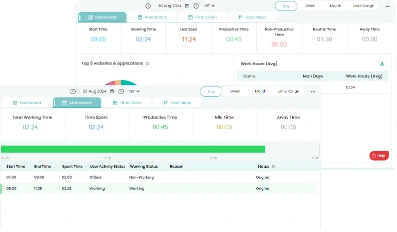
Table of Content
-
 What is Remote Team Alignment?
-
Why Remote Team Alignment Matters to Achieve Company Golas
-
Effective Ways to Improve Remote Team Alignment with Company Goals
-
What are the Common Challenges in Remote Team Alignment
-
How Can Time Champ Help Improve your Remote Team Alignment?
-
Conclusion
Related Blogs
Avoid common remote team management mistakes that hurt productivity. Learn how to handle communication, collaboration, and efficiency challenges effectively.
Jahnavi Pulluri | 15 March 2025
Productivity Tracking Software helps remote teams stay on top, track progress, streamline workflows & boost efficiency effortlessly. Learn more!
Shabana Shaik | 15 March 2025
Why remote work is becoming more popular in the last few years? Check out our 4 reasons companies are using
Shabana Shaik | 14 March 2025
Wondering why meetings are essential in remote work? Uncover 10 key reasons they improve communication, teamwork, and efficiency for your
Tarun Kumar | 14 March 2025
Struggling to keep your remote team connected? Explore 10 proven strategies to boost engagement, strengthen teamwork, and build a thriving
Tarun Kumar | 14 March 2025
Struggling to improve your remote workplace? Uncover six powerful strategies to boost productivity, enhance collaboration, and keep your team engaged!
Tarun Kumar | 14 March 2025


 4.7/5 avg.
Ready to Manage Your Workforce Smarter?
Join our family of 1500+ companies using smart insights to redefine workforces!

Free Trial
No Credit Card Required