Workforce Analytics Trends 2026: How AI Is Changing It
Stay ahead with the top workforce analytics trends for 2026, featuring predictive AI, real-time insights, and privacy-first strategies for smarter teams.
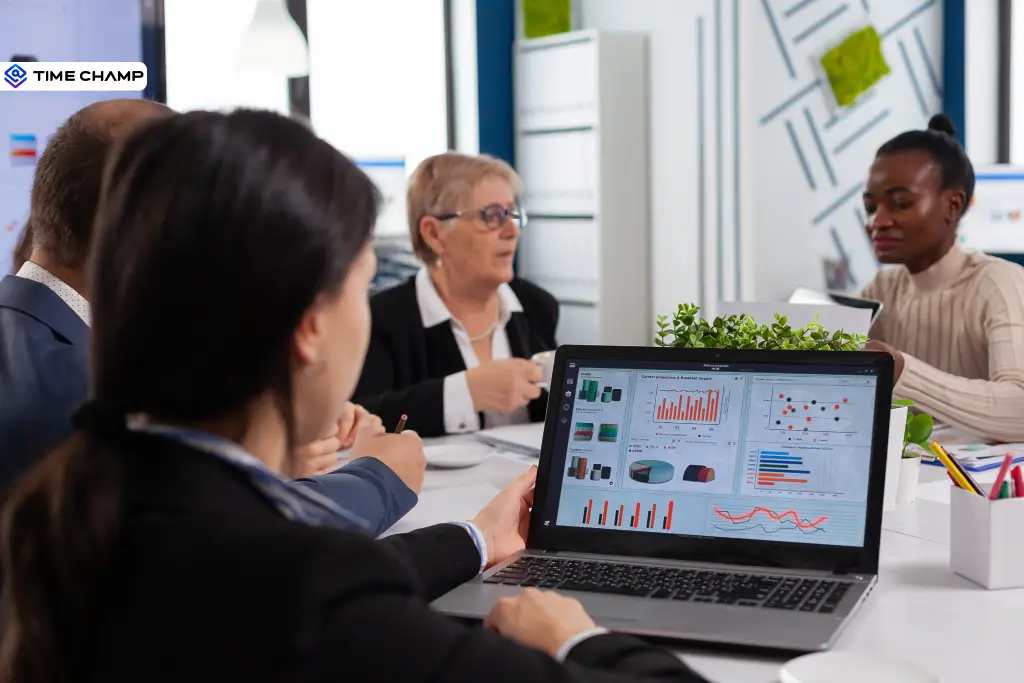
There was a time when workforce analytics meant downloading reports, checking a few charts, and calling it a day. Not anymore.
In 2026, organizations aren't asking for more data, they're asking for better decisions. HR teams want to know who might leave before they resign, where productivity is slipping before performance drops, and what actions will actually improve employee experience. That's exactly where AI is changing the game.
In this blog, we'll explain what workforce analytics is, explore the biggest trends shaping it in 2026, and see how AI is changing the way organizations make workforce decisions.
What is Workforce Analytics?
Workforce analytics is the process of collecting and analyzing employee and workplace data to help organizations make better decisions. It looks at metrics like productivity, attendance, engagement, time spent at work, performance, and employee turnover to understand what's working, identify potential issues, and improve overall business outcomes.
You might also hear it called people analytics, HR analytics, or talent analytics. While the names vary, the goal is the same: using workforce data to make smarter, more informed decisions about people and performance.
What are the Biggest Workforce Analytics Trends in 2026
Workforce analytics is changing faster than ever. Thanks to AI, changing work models, and rising business expectations, it’s about using that data to make smarter, faster decisions. Here are the seven workforce analytics trends that are shaping 2026.
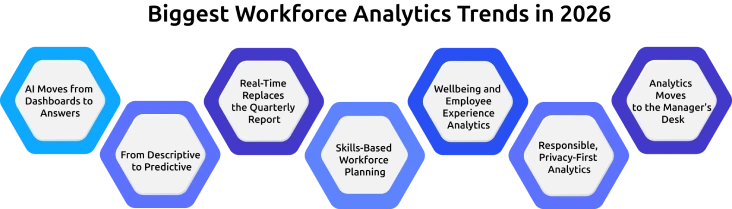
1. AI Moves from Dashboards to Answers
One of the biggest changes is how people interact with workforce data. Instead of digging through dashboards and reports, managers can simply ask questions like, "Which teams are atrisk of burnout?" or "Where is productivity dropping?" and get instant answers.
It helps leaders understand what the data means and what action they should take next.
2. From Descriptive to Predictive (And Prescriptive)
Traditional workforce analytics focused on the past. It explained what had already happened, whether it was employee turnover, absenteeism, or productivity trends.
Today's analytics is becoming predictive, helping organizations identify issues before they happen. Many AI-powered platforms are also becoming prescriptive, recommending the best actions to reduce risks and improve workforce outcomes.
3. Real-Time Replaces the Quarterly Report
Waiting for monthly or quarterly reports is becoming less practical. Businesses need workforce insights as work happens, not weeks later.
Real-time analytics gives managers immediate visibility into productivity, workloads, attendance, and engagement, allowing them to respond quickly instead of reacting after problems have already grown.
4. Skills-Based Workforce Planning
Organizations are shifting their focus from job titles to skills. Instead of asking how many people they need, they're asking whether they have the right capabilities to meet future business demands.
Workforce analytics helps identify skill gaps, find hidden talent, and guide hiring, training, and internal mobility decisions.
5. Wellbeing and Employee Experience Analytics
Employee wellbeing is becoming an important part of workforce analytics. Companies are using data to understand workload balance, engagement, burnout risks, and overall employee experience.
The goal isn't to monitor employees more closely but to identify problems early and create healthier, more productive workplaces.
6. Responsible, Privacy-First Analytics
As organizations collect more workforce data, employees expect greater transparency about how that information is used.
In 2026, successful workforce analytics strategies are built on trust. Organizations are focusing on responsible AI, clear data policies, employee privacy, and ethical decision-making to ensure analytics support people rather than simply monitor them.
7. Analytics Moves to the Manager's Desk
Workforce analytics is no longer limited to HR or data specialists. Managers across the organization now have direct access to workforce insights that help them make better day-to-day decisions.
Taken together, these workforce analytics trends point in one clear direction: more predictive, more accessible, and more action-oriented.
| Workforce Analytics is Moving... | From | To |
|---|---|---|
| Time horizon | Describing the past | Predicting what's next |
| Cadence | Quarterly reports | Real-time insights |
| Interface | Dashboards | AI-powered questions and answers |
| Ownership | HR and analytics teams | Managers across the business |
| Planning | Headcount | Skills and capabilities |
| Priority | Data collection | Actionable insights and trust |
Stay ahead with smarter workforce analytics!
See what's changing across your workforce before it impacts your business
How is AI Changing Workforce Analytics?
AI is making workforce analytics faster, smarter, and easier to use. Instead of just collecting employee data and creating reports, AI can quickly analyze large amounts of data, find patterns, predict risks like burnout or employee turnover, and explain the findings in simple language. This helps leaders move from looking at what already happened to understanding what might happen next.
But using AI doesn't automatically lead to better decisions.
According to Gartner, 62% of employees say AI has already saved them time, with people in AI-related roles saving about 1.5 hours a day on average. Even many organizations still find it difficult to translate those time savings into real business results. The biggest difference comes from how AI is used. Companies that use AI to improve decision-making get far more value than those that use it only to create reports faster.
At the end of the day, AI is a powerful tool, but it's the decisions people make with those insights that create real impact.
How Time Champ Supports Modern Workforce Analytics
As workforce analytics becomes more focused on real-time insights and faster decision-making, tools like Time Champ play an important role.
Time Champ is an employee monitoring and time-tracking tool that helps organizations understand how work happens every day. It collects real-time data on productivity, attendance, work patterns, and team activity and gives managers the insights they need to make informed decisions instead of waiting for weekly or monthly reports.
Here's how Time Champ supports some of the biggest workforce analytics trends in 2026:
- Real-Time Insights: Track productivity, attendance, and work activity as they happen with live dashboards, timelines, and heatmaps.
- Early Risk Detection: Identify signs of burnout, workload imbalance, and attrition risk before they become bigger problems.
- Employee Wellbeing: Monitor work-life balance and team utilization to help prevent overwork and support healthier work habits.
- Manager-Friendly Insights: Give managers instant access to team-level insights so they can find issues early and take action without depending on separate reports.
Just as importantly, Time Champ is built with transparency in mind. Employees can view their own productivity data, organizations can set clear monitoring policies, and the platform is designed to support better decisions.
Better workforce decisions start with better visibility!
Know who's overloaded, who's underutilized, and where productivity is changing
Conclusion
Workforce analytics trends have come a long way from simple reports and dashboards. Today, it's helping organizations understand their teams better and make decisions based on real insights rather than guesswork. Whether it's improving productivity, supporting employee well-being, or planning for future workforce needs, the right approach can make a real difference. The trends shaping 2026 show that workforce analytics is becoming a practical tool for making everyday work better.

Jahnavi Pulluri

Table of Content
 What is Workforce Analytics?
- What are the Biggest Workforce Analytics Trends in 2026
- How is AI Changing Workforce Analytics?
- How Time Champ Supports Modern Workforce Analytics
- Conclusion
Related Blogs
Discover what is an integrated workforce management system (iwms) is, why it matters, core functions, key features, use cases & future business impact.
Thasleem Shaik | Nov 07, 2025
Use these hybrid workforce best practices to improve communication, support collaboration, strengthen culture, and help teams stay productive.
Thasleem Shaik | Jun 19, 2026
Discover workforce optimisation for field service: definition and effective solutions for field workforce management, including field employee tracking.
Chethana Choudary | August 22, 2025
Discover how field service workforce management improves scheduling, boosts team productivity, lowers operational costs, and enhances customer satisfaction.
Jahnavi Pulluri | August 22, 2025
Workforce resilience explained: discover its definition, core elements, importance & practical strategies to build adaptability, plus ways to measure success
Chethana Choudary | September 01, 2025
Discover 10 contingent workforce trends shaping 2025. See how businesses use flexible talent to boost agility, reduce costs, and drive long-term growth.
Guna Lakshmi | September 15, 2025


 4.7/5 avg.
Ready to Manage Your Workforce Smarter?
Join our family of 1500+ companies using smart insights to redefine workforces!

Free Trial
No Credit Card Required