Employee Wellness Programs in 2026: What Actually Works
Explore 15 excellent employee wellness programs that work in 2026, why most initiatives fail, and how to measure outcomes that matter for the organization.

Throwing in a gym membership or running a monthly wellness challenge isn't enough anymore. Employees expect support that fits their daily lives, not benefits they'll forget about after signing up.
That's why many workplace wellness programs struggle. They're easy to launch but hard to sustain. Without the right mix of initiatives, participation drops and the impact is hard to see.
This blog covers 15 employee wellness programs that work in 2026, why some initiatives never take off, and how to measure whether your program is making a real difference.
What Is an Employee Wellness Program?
An employee wellness program is a workplace program that helps employees improve their physical, mental, financial, and social well-being. It includes benefits, resources, and activities that support healthy habits, reduce stress, improve job satisfaction, and help employees stay healthy and productive.
How Is a Wellness Program Different from a Wellbeing Strategy?
A wellness program focuses on the benefits and services an employer offers to support employee health. A wellbeing strategy focuses on improving the workplace itself.
For example, a wellness program might include fitness reimbursements, mental health support, or health checkups. A wellbeing strategy looks at bigger issues like workload, flexible work, manager support, meeting culture, and work-life balance.
What Are the Main Types of Employee Wellness Programs?
Employee wellness programs usually fall into six main categories. While many organizations focus on physical health benefits, the strongest programs support employees across multiple areas, from mental health and finances to workload and workplace design.

1. Physical Wellness
Physical wellness programs help employees prevent health issues and build healthier habits. Common examples include:
- Preventive health check-ups
- Vaccination programs
- Fitness memberships or wellness stipends
- Nutrition support
- Sleep and recovery programs
Physical wellness is often the most common type of workplace wellness program because it is easy to introduce and measure. However, gym membership alone may only reach employees who already prioritize fitness. Preventive health support can benefit a much wider group.
2. Mental Health and Psychological Safety
Mental health programs help employees manage stress, prevent burnout, and feel supported at work. They may include:
- Employee Assistance Programs (EAPs)
- Counseling and therapy support
- Mental health days
- Manager training to identify signs of stress
- Protected time for rest and recovery
Having an EAP is not enough. Employees need to know it exists, trust that it is confidential, and feel comfortable using it without fear of judgment.
3. Financial Wellness
Financial wellness programs help employees manage money-related stress and plan for the future. Examples include:
- Financial coaching
- Retirement and tax guidance
- Budgeting education
- Emergency savings support
- Benefits education
Financial stress can affect focus, productivity, and overall well-being. Many financial wellness initiatives are also affordable because they focus on education and guidance rather than large expenses.
4. Social Connection and Community
Social wellness programs focus on helping employees build stronger workplace relationships. It includes:
- Peer support groups
- Employee resource groups (ERGs)
- Mentorship programs
- Team connection activities
- Better onboarding for remote employees
This area is especially important for remote and hybrid teams, where employees can feel disconnected. Building real connections helps create a stronger sense of belonging.
5. Workload and Time Wellness
Workload wellness focuses on creating healthier ways of working. It includes:
- Meeting-free focus time
- Realistic workload planning
- Protected breaks
- Flexible schedules
- Clear after-hours communication rules
- Better shift planning
This is one of the most overlooked areas of employee wellness. A workplace cannot solve burnout with wellness apps alone if employees are constantly overloaded.
6. Workplace Environment and Ergonomics
Ergonomic wellness programs improve employee comfort, safety, and productivity. It includes:
- Workstation assessments
- Home office allowances
- Ergonomic chairs and equipment
- Better lighting and noise control
- Safety support for physical roles
Small workplace improvements can prevent long-term health issues and make employees more comfortable every day.
Make every wellness initiative count!
Use real-time workforce insights to measure employee wellness and improve workplace performance.
15 Employee Wellness Program Examples That Work in 2026
Not all wellness initiatives create real impact. Even well-designed initiatives can fall short if employees don't engage with them or if the root causes of workplace stress are not addressed.
The programs below are practical examples with a clear purpose, target audience, and way to measure success. They include options that work for office employees, remote teams, frontline workers, and groups that are often missed in traditional wellness plans.
| S.No | Employee Wellness Program | Best Fit | What to Know |
|---|---|---|---|
| 1 | Actively promoted Employee Assistance Program (EAP) | Yes, phone-first | An EAP only works if employees know it exists and trust it. Promote it regularly through managers and internal channels. |
| 2 | Subsidized therapy session credits | Partly | Specific therapy credits often feel more useful than unlimited app access that employees may never explore. |
| 3 | Protected no-meeting blocks | No | A simple, low-cost way to reduce stress, but it needs leadership support to avoid being ignored. |
| 4 | Wellbeing leave separate from sick leave | Yes | Employees are more likely to use it when leaders openly support and use the benefit themselves. |
| 5 | Manager wellbeing training | Yes | Managers play a major role in employee wellbeing but are often overlooked in wellness plans. |
| 6 | Shift-aware flexible scheduling | Yes | Recovery time between shifts can matter more than the total number of hours worked. |
| 7 | Annual preventive health check-ups | Yes | One of the easiest physical wellness programs to measure and improve participation in. |
| 8 | Fitness stipend instead of a single gym membership | Yes | Flexible stipends allow employees to choose activities that fit their lifestyle. |
| 9 | Ergonomic allowance for home and workplace setups | Yes | Employees notice the benefit quickly because it improves daily comfort. |
| 10 | Financial guidance and emergency savings support | Yes | Many financial wellness programs focus on education, making them affordable to run. |
| 11 | Caregiving and life-stage support | Yes | Support for childcare, eldercare, fertility, and menopause can address overlooked employee needs. |
| 12 | Meal breaks, food, and hydration support | Yes | For physically demanding roles, proper breaks and hydration support safety as well as wellbeing. |
| 13 | Quarterly workload reviews using real data | Yes | This helps identify workload issues before they lead to burnout. |
| 14 | Employee wellbeing champions network | Yes | Give champions time, resources, and leadership support to avoid turning it into unpaid extra work. |
| 15 | Sleep and recovery support for night shifts | Yes | Small changes like stable schedules and recovery support can make a major difference. |
The best wellness programs track both behavior changes and business outcomes. A program is successful when employees not only use the available support but also experience better health, lower stress, and a more sustainable work environment.
How to Measure Employee Wellness Program Success
Measure your wellness program based on usage and outcomes. Sign-ups only show that employees saw the offer; they don't show whether the program is making a difference.
Track a mix of leading and lagging indicators:
| Metric | What to Look For |
|---|---|
| Program usage | More employees actively using the benefits |
| Wellbeing scores | Lower stress and burnout levels |
| Manager wellbeing conversations | More employees discussing wellbeing openly |
| Absenteeism | Fewer unplanned absence days |
| Employee retention | Lower regretted turnover |
| eNPS | Improved employee satisfaction |
For reporting value, focus on VOI (Value of Investment) rather than only ROI. Wellness programs do not always create direct cost savings, but they can improve retention, engagement, and employee experience, outcomes businesses can measure.
How Time Champ Supports an Employee Wellness Program
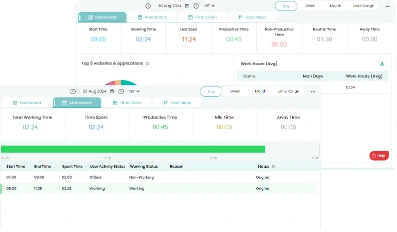
A wellness program can only improve what an organization can understand. Time Champ is a workforce intelligence platform that helps provide that visibility by showing patterns around work hours, workload, breaks, attendance, and team capacity.
It is not a wellness platform and does not replace wellness initiatives. Instead, it gives you the data to identify workload issues, prevent burnout, and make better decisions.
Workload and Capacity Insights
Time Champ helps identify teams and employees who may be consistently overloaded by tracking work patterns, focus time, breaks, and utilization trends. This allows you to address workload issues before they lead to burnout.
Overtime and After-Hours Work Tracking
It helps you understand whether overtime is occasional or becoming a routine part of work, making it easier to set healthier work boundaries.
Break and Recovery Tracking
Taking breaks is an important part of employee wellbeing, especially for shift-based and frontline teams. Time Champ provides visibility into break patterns so you can encourage healthier work routines.
Early Burnout Risk Signals
Sustained high workloads and changes in productivity patterns can indicate growing stress. Time Champ helps you find these trends early and start conversations before issues become serious.
Team Workload Analysis
Wellness challenges are not always the same across departments. Time Champ helps compare workload patterns between teams, allowing you to direct support and resources where they are needed most.
Shift and Schedule Visibility
Poor scheduling can affect sleep, recovery, and work-life balance. Time Champ helps you understand shift patterns and make adjustments that support better recovery time.
Field Workforce Insights
For employees working outside the office, visibility can be difficult. Time Champ helps track field attendance and work patterns, helping you identify overloaded routes, extended shifts, or uneven workloads.
Real-Time Alerts and Action
Waiting for quarterly surveys may be too late. Time Champ helps highlight unusual workload changes and productivity drops so teams can respond faster.
Measure employee wellness with data, not guesswork!
See workload trends, monitor employee well-being, and make smarter decisions with workforce insights.
Conclusion
A good employee wellness program solves everyday workplace challenges. It helps employees stay healthy, manage stress, and do their best work. Start with a few initiatives that match your team's needs, measure the results, and improve them over time. Small, consistent changes often have a bigger impact than a long list of unused benefits.

Jahnavi Pulluri

Table of Content
 What Is an Employee Wellness Program?
- What Are the Main Types of Employee Wellness Programs?
- 15 Employee Wellness Program Examples That Work in 2026
- How to Measure Employee Wellness Program Success
- How Time Champ Supports an Employee Wellness Program
- Conclusion
Related Blogs
Help your remote employees stay productive and stress-free with simple and effective strategies to reduce work-related pressure and improve well-being.
Jahnavi Pulluri | Mar 12, 2025
Always stuck in work mode at home? Learn how to set clear work-life boundaries, reduce stress, and and stay productive while working from home!
Jahnavi Pulluri | Mar 12, 2025
Discover practical ways to maintain work-life balance in the era of remote work, reduce burnout, and build healthier remote work habits.
Guna Lakshmi | Sep 29, 2026
Learn how employee monitoring supports work-life balance by detecting overwork, protecting boundaries, and helping teams build sustainable work patterns.
Anjali | Apr 23, 2026
Get clear answers to the most-asked questions about employee monitoring laws, employee privacy, legal monitoring practices, and workplace compliance rules.
Anjali | Aug 28, 2026
Learn how to monitor employees in a remote work environment with ethical employee monitoring practices that improve productivity, accountability, and trust.
Jahnavi Pulluri | Aug 21, 2026


 4.7/5 avg.
Ready to Manage Your Workforce Smarter?
Join our family of 1500+ companies using smart insights to redefine workforces!

Free Trial
No Credit Card Required