Employee Mental Health: Improve Workplace Well-Being
Improve employee mental health with practical workplace strategies, support programs, and proven ways to build a healthier, more productive workforce.

What if the biggest threat to your business isn’t competition but the silent burnout building within your team? Excessive workloads, lack of work-life balance, poor management support, and unclear expectations often cause this burnout. Prioritizing employee mental health helps you create a healthier work environment, improve productivity, reduce absenteeism, and build a workforce that stays engaged and performs at its best.
Here, you’ll understand why employee mental well-being matters in the workplace and how to support it effectively. You'll also know the simple strategies and tools to help create a healthier, more balanced workplace.
What Is Employee Mental Health, and Why Is It Important?
Employee mental health refers to an employee's emotional, psychological, and social well-being at work. It affects how employees handle stress, adapt to workplace challenges, communicate with others, make decisions, and perform their daily responsibilities. Good mental well-being enables employees to work effectively while maintaining a healthy balance between their personal and professional lives.
Why Does It Matter
- Boosts Productivity: Employees with good mental well-being stay focused, motivated, and perform at their best.
- Reduces Absenteeism: Supporting employee mental health in the workplace helps minimize stress-related absences and burnout.
- Improves Employee Engagement: Mentally healthy employees participate actively, collaborate better, and contribute more effectively.
- Increases Employee Retention: A supportive workplace encourages employees to stay longer and strengthens loyalty.
- Enhances Decision-Making: Better mental well-being enables employees to think clearly, solve problems, and make informed decisions.
- Builds a Positive Workplace Culture: Prioritizing mental health fosters trust, teamwork, and stronger workplace relationships.
What Impacts Employee Mental Health in the Workplace?
Employee mental well-being is shaped by a combination of workplace practices, management approaches, and individual experiences. Identifying these factors early helps you create a supportive environment that reduces stress, improves well-being, and enables employees to perform at their best.
Workload and Work Pressure
Excessive workloads, unrealistic deadlines, and long working hours can increase stress and lead to burnout. When employees consistently feel overwhelmed, their productivity and overall well-being can decline significantly.
Management and Leadership Style
Poor or unsupportive leadership reduces trust and increases stress among employees. It also limits open communication, making it harder for your employees to seek support and feel valued.
Workplace Culture
A workplace culture that lacks inclusivity, respect, or psychological safety can negatively impact employees’ mental health. Environments where employees feel judged, excluded, or unable to express themselves openly often lead to increased stress, anxiety, and disengagement.
Work-Life Balance
Poor work-life balance, such as consistently long hours, lack of flexibility, or blurred boundaries between work and personal life, can contribute to chronic stress and exhaustion. When your employees struggle to disconnect from work, it can affect both their mental and physical well-being.
Job Security and Career Growth
Uncertainty about job stability or limited growth opportunities can create anxiety and reduce motivation. Employees who feel stuck in their roles or unsure about their future within the organization may experience decreased morale and increased stress.
Relationships at Work
Strained relationships, poor communication, or workplace conflicts can significantly impact mental health. Negative interactions, lack of support from colleagues, or feelings of isolation can lead to emotional distress and reduced job satisfaction.
Access to Mental Health Support
Limited access to mental health resources or a lack of awareness about available support can prevent employees from seeking help. When support systems are not easily accessible or encouraged, mental health challenges may remain unnoticed until they become more serious.

Did You Know?
According to the American Psychological Association's (APA) Work in America survey, 92% of workers say it’s important to work for an organization that supports employee mental health, while 95% value employers that respect boundaries between work and personal time. This shows that employees increasingly expect workplaces to actively support their well-being.
Signs Your Employee’s Mental Health Is Declining
Mental health challenges often develop gradually, making them easy to overlook during busy workdays. Recognizing the early warning signs allows you to offer timely support, prevent burnout, and create a healthier work environment.

1. Noticeable Changes in Performance
A consistent drop in productivity, missed deadlines, or declining work quality may indicate that an employee is struggling to stay focused or manage stress.
2. Increased Absenteeism or Frequent Time Off
Regular sick days, arriving late, leaving early, or taking unexpected time off can signal that an employee is finding it difficult to cope with work or personal pressures.
3. Withdrawal from Colleagues
Employees who suddenly avoid team discussions, social interactions, or collaboration may be experiencing stress, anxiety, or emotional exhaustion that affects their workplace relationships.
4. Mood or Behavior Changes
Frequent irritability, frustration, sadness, anxiety, or unusual emotional reactions can indicate that an employee’s mental well-being is being affected and may require additional support.
5. Difficulty Concentrating or Making Decisions
Employees experiencing mental health challenges may struggle to stay focused, retain information, solve problems, or make routine decisions that were previously manageable.
6. Constant Fatigue and Signs of Burnout
Persistent tiredness, low motivation, lack of enthusiasm, or feeling overwhelmed even after breaks are common indicators that stress has become difficult to manage. Supporting employee mental health initiatives early can help you address these issues before they become more serious.
Strategies to Support Employee Mental Health in the Workplace
Supporting mental well-being takes consistent effort, not just occasional wellness initiatives. The way you lead, communicate, and structure work plays a significant role in helping your employees stay healthy, engaged, and productive. Here are practical strategies that can make a lasting impact.
1. Encourage Open and Honest Communication
Create a workplace where employees feel comfortable discussing challenges without fear of judgment. Regular one-on-one meetings and active listening help you identify concerns early and build trust.
2. Promote a Healthy Work-Life Balance
Help your employees maintain clear boundaries between work and personal life by setting realistic expectations, respecting time off, and discouraging unnecessary after-hours communication. A balanced workload reduces stress and prevents burnout.
3. Train Managers to Recognize Mental Health Concerns
Equip managers with employee mental health training so they can identify early warning signs, respond with empathy, and guide employees toward appropriate support when needed.
4. Provide Access to Mental Health Resources
Offer resources such as Employee Assistance Programs (EAPs), counseling services, mental health workshops, or wellness platforms. Making support easily accessible encourages employees to seek help before challenges become more serious.
5. Recognize and Appreciate Employee Contributions
Acknowledge individual and team achievements regularly. Meaningful recognition boosts confidence, improves morale, and helps your employees feel valued for their efforts.
6. Build an Inclusive and Supportive Workplace Culture
Foster respect, collaboration, and psychological safety by encouraging teamwork, addressing workplace conflicts promptly, and ensuring every employee feels included and heard.
7. Regularly Measure Employee Well-Being
Conduct anonymous employee mental health surveys to understand how employees are feeling, identify workplace stressors, and evaluate whether your support initiatives are making a positive difference. Use the feedback to make meaningful improvements.
Struggling to reduce stress and burnout across your team?
Time Champ helps you track workloads, spot burnout risks, and support healthier work habits.
Things to Include in Your Employee Mental Health Program
Creating a comprehensive mental health program should address employees’ real needs. You need a structured approach that helps employees access support, reduces workplace stress, and promotes long-term well-being. Include these essential elements to build a program that delivers meaningful results.

A Clear Employee Mental Health Policy
Establish a policy that clearly outlines your organization's commitment to mental well-being, available support, confidentiality standards, and the responsibilities you and your employees share. This creates consistency and builds trust across your workplace.
Manager Training and Awareness
Take an active role in shaping your team’s mental well-being. Invest in training to recognize early signs of mental health concerns, communicate with empathy, and respond appropriately. Apply these skills consistently to support your employees and foster a psychologically safe environment where they feel understood and value
Accessible Support Resources
Ensure employees have clear and easy access to support resources such as counseling services, Employee Assistance Programs, or mental health professionals. Making these resources visible and approachable helps your employees feel supported and more likely to seek help when needed.
Mental Health Education and Wellness Activities
Offer workshops, webinars, stress management sessions, and wellness initiatives that help employees build resilience, manage pressure, and develop healthy work habits.
Flexible Work and Leave Options
Support employees with flexible work arrangements, mental health leave where appropriate, and reasonable accommodation during difficult periods. Flexibility helps employees maintain a healthier balance between work and personal responsibilities.
Regular Well-Being Assessments
Use anonymous surveys, regular check-ins, and feedback sessions to identify workplace stressors and measure how employees are feeling. Reviewing this feedback helps you continuously improve mental health initiatives.
Ongoing Program Evaluation
Regularly assess the effectiveness of your mental health program by tracking participation, reviewing employee feedback, and identifying areas for improvement. Continuous evaluation helps ensure your initiatives remain relevant and provide lasting value.
Balance Employee Mental Health and Work Effectively with Time Champ
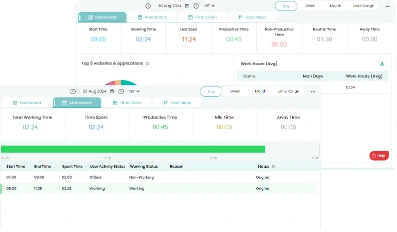
Supporting employee mental well-being becomes challenging when you lack visibility into workloads, working hours, and signs of burnout. Without the right insights, it’s difficult to identify overloaded employees, encourage healthy work habits, or provide timely support. Time Champ is comprehensive employee monitoring software that provides visibility into work patterns, helping you identify burnout risks, boost employee engagement, manage workloads efficiently, and promote a healthier, more balanced workplace.
With Time Champ, you get the visibility needed to support employee well-being through features like:
- Tracks Workloads in Real Time: Monitors employee workloads and working patterns to help you identify overworked team members early and prevent burnout.
- Analyzes Productivity Trends: Analyzes the productivity patterns over time to help you detect sudden declines that may indicate stress, disengagement, or mental fatigue.
- Monitors Working Hours and Breaks: Records work hours, idle time, and breaks, helping you encourage healthier work routines and reduce excessive overtime.
- Manages Attendance and Leave Efficiently: Tracks attendance, absences, and leave records to help you identify recurring patterns and provide timely support.
- Generates Actionable Workforce Reports: Provides detailed reports and workforce analytics to help you make informed decisions that improve employee well-being and team performance.
- Promotes a Healthier Work-Life Balance: Uses accurate time tracking and workload insights, helping you distribute work fairly, reduce burnout risks, and support a sustainable work routine.
Want to improve employee well-being without losing productivity?
Time Champ gives you the insights to balance workloads and build a healthier workplace.
Conclusion
Creating a healthier workplace starts with making your employees’ well-being a daily priority, not a one-time initiative. Recognizing early warning signs, addressing workplace challenges, and implementing meaningful support programs can help you build a culture where employees feel valued, motivated, and empowered to perform at their best. Prioritizing employee mental health also strengthens engagement, reduces burnout, and improves long-term business performance. Start by evaluating your current workplace practices, listening to employee feedback, and taking consistent action to create an environment where both your employees and the business can grow together.

Anjali

Table of Content
 What Is Employee Mental Health, and Why Is It Important?
- Why Does It Matter
- What Impacts Employee Mental Health in the Workplace?
- Signs Your Employee’s Mental Health Is Declining
- Strategies to Support Employee Mental Health in the Workplace
- Things to Include in Your Employee Mental Health Program
- Balance Employee Mental Health and Work Effectively with Time Champ
- Conclusion
Related Blogs

Boost remote team productivity with practical management tips, proven best practices, key metrics, and tools that help your remote teams perform better.
Anjali | Jul 16, 2026![What is Workforce Intelligence? A Complete Guide [2026]](https://www.timechamp.io/images/workforce-intelligence-feature-image.webp)
Discover what workforce intelligence is, why it's critical, real examples, implementation steps, key benefits, challenges & how AI transforms the future.
Guna Lakshmi | Feb 11, 2026
Compare employee time tracking solutions, key features, benefits, and selection tips to choose the right system for accurate time tracking with confidence.
Thasleem Shaik | August 4, 2026
Attendance management systems help automate employee attendance, shifts, leave, and payroll. Compare features, benefits, types, and selection tips.
Thasleem Shaik | Jul 22, 2026
Learn what an Employee Development Plan (EDP) is, its types, elements, benefits, and examples, plus how to create one that supports employee growth.
Thasleem Shaik | August 08, 2025
The right employee performance tracking software turns activity data into decisions. See what to look for, how to compare, and what works for your team.
Guna Lakshmi | Apr 18, 2026


 4.7/5 avg.
Ready to Manage Your Workforce Smarter?
Join our family of 1500+ companies using smart insights to redefine workforces!

Free Trial
No Credit Card Required