Managing Gen Z at Work: 9 Effective Strategies for Managers
Manage Gen Z at work with 9 practical strategies to lead, motivate, and retain top talent, and also discover the visibility gap most managers overlook.

You send a quick message to one of your newest hires: “Hey, got 15 minutes later?”
Within seconds, the reply arrives: “Sure, is everything okay? Did I do something wrong?”
You weren't planning anything serious, you just wanted to discuss a project, but that small interaction highlights a key challenge of managing Gen Z at work. They value context, clarity, and understanding the "why" behind every conversation.
If your usual management style doesn't seem to resonate with younger employees, you're not imagining it. Gen Z entered the workforce with different expectations around communication, flexibility, feedback, and growth.
In this blog, I'll explain what Gen Z really wants at work, 9 practical strategies for leading and motivating them, and one often-overlooked challenge that can make or break engagement.
Who Is Gen Z at Work, and Why Does Managing Them Feel Different?
Gen Z refers to people born between 1997 and 2012, the first generation to grow up fully online. At work, they are digital natives who see flexibility, transparency, and purpose as baseline expectations, not perks. Managing them feels different because they want feedback, fairness, and a sense of purpose early in their careers.
The oldest Gen Z employees are now in their late twenties and beginning to lead teams themselves, while the youngest are just entering the workforce. They are projected to make up nearly 30% of the global workforce by 2030, making them impossible to ignore.
Despite common stereotypes, they are far from disengaged. Deloitte’s 2025 research shows that seven in ten Gen Z workers build new skills every week. Their ambition is strong, it’s just directed more toward growth, learning, and balance than traditional career milestones.
What Does Gen Z Actually Want from Work?
Gen Z typically looks for six core things at work. What has changed is that this generation treats these as baseline expectations, and they’re quick to move on when they’re missing.
Only 6% of Gen Z say reaching a senior leadership role is their primary career goal, while 89% say a sense of purpose is essential to job satisfaction. They’re not focused on climbing a traditional ladder, they’re focused on growth and balance.
Here’s what that looks like in practice:
| What Gen Z wants | What it Looks Like Day to Day | What Happens if You Ignore it |
|---|---|---|
| Flexibility | Choice over where and when work gets done, with outcomes as the measure | They quietly start looking for more flexible roles |
| Purpose | A clear understanding of how their work contributes to something bigger | Disengagement, even if pay is good |
| Growth | Visible learning opportunities, not just distant promotions | They seek growth elsewhere |
| Mental health | Respect for boundaries and realistic workloads | Burnout and sudden exits |
| Fair, transparent pay | Clear and consistent pay structure and logic | Trust breaks down quickly |
| Regular feedback | Frequent, specific, and timely input | Confusion and declining confidence |
9 Strategies to Manage Gen Z Employees at Work
Managing Gen Z well starts with clarity, trust, and consistency. Here are nine practical strategies to help you put this into action.
1. Lead with Clarity
Gen Z isn’t resistant to direction, they’re resistant to direction without context. Make sure you clearly explain what needs to be done, why it matters, and what success looks like from the start.
- Begin every project with purpose: “This report will help sales close deals faster.”
- Set expectations upfront, not after mistakes happen.
- When giving feedback, add context instead of vague corrections: “Here’s what’s missing and why it matters.”
2. Make Feedback a Weekly Habit, Not an Annual Event
Annual reviews often feel too slow for a generation that’s used to real-time feedback. Frequent, short check-ins help them stay aligned, confident, and engaged.
- Hold regular 1:1s every week or two.
- Keep it simple, like what went well, what can be improved, and what support they need.
- Share feedback in the moment instead of waiting for formal review cycles.
3. Swap Surveillance for Shared Visibility
Heavy monitoring can quickly erode trust. Instead, focus on creating shared visibility into work and progress so discussions are based on facts, not assumptions.
- Give employees access to their own performance data.
- Use insights to balance workload, not micromanage activity.
- Be transparent about what’s being tracked and why.
4. Hand Over Real Ownership Early
Gen Z tends to disengage when work feels repetitive or overly controlled. Giving early ownership helps build trust and keeps them motivated.
- Focus on outcomes, not step-by-step instructions.
- Let them decide how to approach the work.
- Offer stretch projects earlier, rather than holding them back.
5. Show A Growth Path They Can Actually See
For Gen Z, growth is non-negotiable, if they don’t see progress, they’ll quickly start looking elsewhere.
- Focus on skills development, not just job titles.
- Frame lateral moves as growth opportunities, not setbacks.
- Hold quarterly growth conversations separate from performance reviews.
6. Protect Mental Health Before Burnout Hits
Gen Z is more open about discussing stress and less willing to “push through” burnout. Sustaining healthy workloads is essential for retention.
- Respect boundaries and off-hours.
- Watch workload patterns and rebalance early.
- Normalize conversations about capacity before things reach a crisis point.
7. Offer Flexibility with Clear Guardrails
Flexibility works best when it’s supported by clear structure. Without it, expectations can quickly become unclear.
- Establish core working hours for collaboration and overlap.
- Set clear norms for async communication.
- Measure outcomes, not hours worked.
8. Recognize Good Work Fairly and Often
Recognition needs to be consistent, specific, and fair, not occasional or influenced by bias.
- Highlight specific contributions instead of generic praise.
- Make sure recognition is shared across the team, not limited to a few people.
- Balance public appreciation with private acknowledgment.
9. Meet Them in Their Tools and Communication Style
Gen Z thrives in clear, async, and digital-first workflows where communication is structured, accessible, and not dependent on constant meetings.
- Replace unnecessary meetings with concise written updates.
- Be direct and specific, ambiguity slows things down.
- Encourage the use of modern tools, including AI, to improve productivity.
The Visibility Gap: The Gen Z Management Problem
Most Gen Z management advice stops at giving feedback and building trust, but that’s not the hard part. The real challenge is doing it consistently without hovering. That’s where the gap is: shared visibility, a clear, shared view of workload and progress, so feedback is based on facts.
When people can see their own work clearly, they adjust in real time. When you see the same picture, you can find overload early and have fair, grounded conversations instead of reactive ones.
Ask Yourself
| Question | If the Answer is No |
|---|---|
| Can each team member see their own productivity and workload data? | They’re working blind, and so are you. |
| Do I give feedback at least every two weeks? | Small issues are compounding in silence. |
| Does every task come with a clear “why”? | Expect quiet disengagement. |
| Can I find overload before burnout hits? | You’re reacting too late. |
| Is recognition based on visible contribution? | Your best work may be going unnoticed. |
| Do people know exactly what is tracked and why? | Trust is slowly eroding, even if no one says it. |
How Time Champ Helps You Manage Gen Z Without Micromanaging
Time Champ is employee monitoring software with a workforce intelligence layer that helps organizations understand how work actually happens across teams. It provides visibility into productivity patterns, work hours, app usage, and project progress, giving you a clearer picture of daily execution without depending on guesswork.
The point isn't to monitor Gen Z more closely. It’s to create shared visibility into work, progress, and priorities.
Here’s how Time Champ helps:
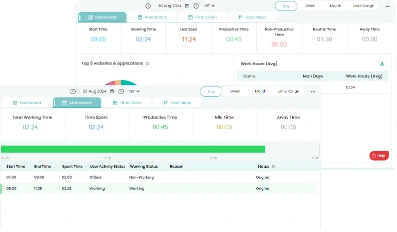
Transparent Dashboards: Employees can see their own activity, productivity, and attendance, making visibility transparent for both sides.
Workload Insights: Identify overload early and rebalance work before stress turns into burnout or attrition.
Transparent by Design: Monitoring is visible to employees, with optional stealth mode for specific security needs.
Real-Time Clarity: Understand how work is flowing across remote, hybrid, and in-office teams as it happens.
Secure and Compliant: Built with standards like GDPR, ISO 27001, HIPAA, and SOC 2 to ensure transparency doesn’t compromise security.
Better visibility leads to better conversations
See workloads, recognize contributions, and support your team with confidence
Conclusion
Managing Gen Z at work is about applying the fundamentals of leadership consistently. When you bring clarity, trust, feedback, and fairness into everyday management, engagement naturally improves. Give them purpose, ownership, and visibility into their work, and most challenges fade. In the end, great management is simply about making work easier to understand, act on, and grow within.

Jahnavi Pulluri

Table of Content
 Who Is Gen Z at Work, and Why Does Managing Them Feel Different?
- What Does Gen Z Actually Want from Work?
- 9 Strategies to Manage Gen Z Employees at Work
- The Visibility Gap: The Gen Z Management Problem
- How Time Champ Helps You Manage Gen Z Without Micromanaging
- Conclusion
Related Blogs
Elevate your performance review with our 80+ self-appraisal comments covering achievements, strengths, and improvement areas.
Shabana Shaik | Mar 01, 2024
Make your appraisals easier and more accurate with our free performance review templates. Download, customise, and use them anytime you need for better results.
Shabana Shaik | Nov 07, 2025
Understand monitoring reports vs performance reviews, key differences, and how to use both for better performance decisions and team clarity.
Thasleem Shaik | Apr 23, 2026
Understand employee monitoring legal compliance, key laws, and best practices to track work activity while protecting privacy and avoiding legal risks.
Thasleem Shaik | Apr 14, 2026
Explore how to implement employee monitoring software effectively with clear steps, legal tips, best practices, ROI metrics, and key pitfalls to avoid.
Anjali | Apr 15, 2026
The AI employee monitoring software goes beyond basic tracking. It predicts risks, reveals patterns, and gives you real clarity to lead your team better.
Shabana Shaik | Apr 17, 2026


 4.7/5 avg.
Ready to Manage Your Workforce Smarter?
Join our family of 1500+ companies using smart insights to redefine workforces!

Free Trial
No Credit Card Required