Staff Monitoring and Tracking: A Complete Workplace Guide
Learn what staff Monitoring and tracking to increase productivity at the workplace, make sure that the policies are followed, and improve employee responsibility.
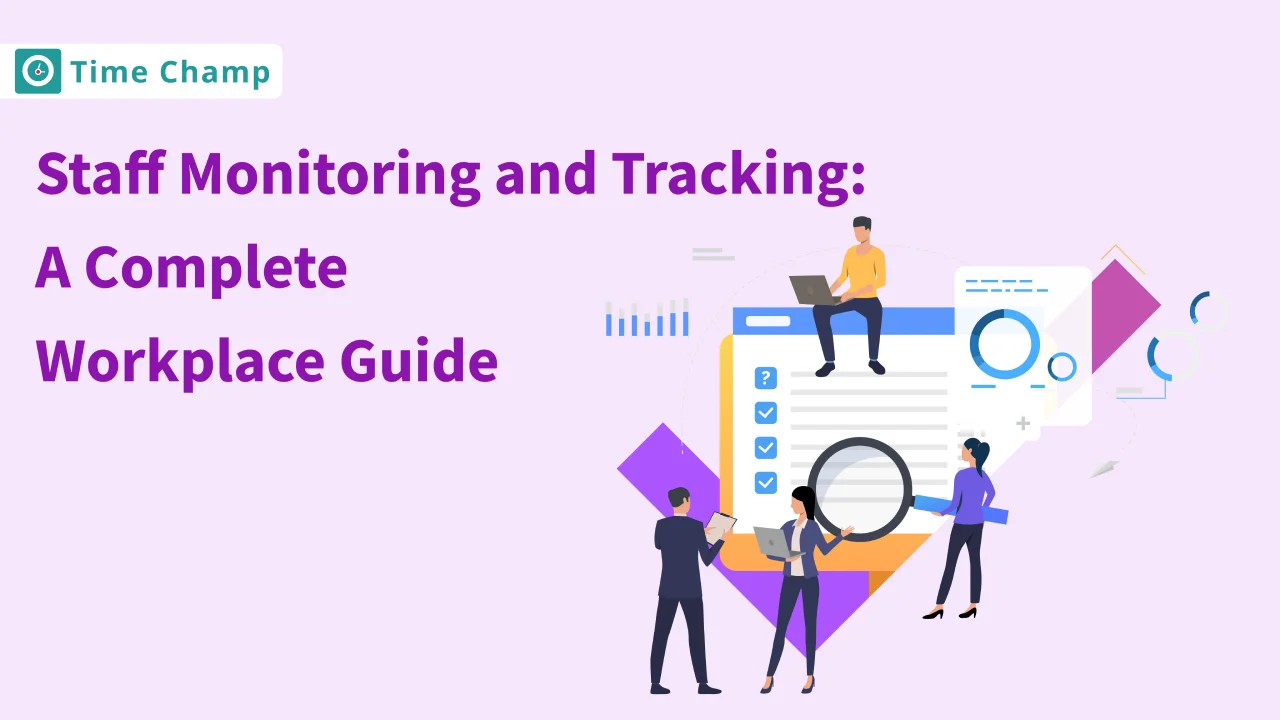
Staff monitoring is a new strategy in the modern business setting that takes center stage in improving the productivity and efficiency of operations. It is a scientific method of monitoring and analyzing employees’ activities and performance in real time. Such a system of staff monitoring can result in a high level of accountability, proper resource allocation, and a great deal of management decision-making, and this all can contribute to the rise and development of an organization.
What is Staff Monitoring?
Modern business management is impossible to imagine without Staff Monitoring, which offers different analytical tools to increase the efficiency of the team and the organization. Staff monitoring is defined as the use of tools and software that are used to track employees’ behavior and performance in the workplace.
Staff monitoring allows employers to monitor the total number of hours spent on different tasks, analyzing the level of employee engagement with their work, company standards, and the way the resources are spent. Using reliable staff monitoring tools, companies can gather sufficient information about their daily operations and as a result, they are in a position to come up with better plans for managing their employees.
Benefits of Effective Staff Monitoring
The supervision of the staff is one of the essential elements of the successful release of the workforce’s potential. When organizations adopt focused monitoring measures, they obtain huge benefits that do not just stop at monitoring. Here’s a deeper look into the multifaceted benefits that effective staff monitoring provides:
1. Clarity of Role Definition
The purpose of the staff management systems is to define specific roles for team members and make sure that everyone understands his or her role and contribution to the team’s goals. First, the lack of redundancy and the sense of personal responsibility are the results of clear role definitions. The staff monitoring systems automatically reconfigure to reflect new roles or projects, reducing the learning curve, and increasing the ability to respond quickly to changes.
2. Enhanced Productivity Through Insightful Data
Using staff time tracking software, managers can micro-analyze and interpret the way the time of employees is spent. This may include measuring the time spent on different projects, the number of breaks taken, and the times of the highest or lowest productivity during the day. This level of detail allows managers to address issues such as chronic inefficiency or repetitive disruptions. The staff monitoring software tools identify disengagement potential when the employees are inactive for a long time and the managers can motivate employees.
3. Developing a Culture of Continuous Improvement
The purpose of this function is to develop a proactive workforce that is focused on achieving organizational goals. With the introduction of goals and guidance from monitoring data, employers can create an environment of continuous improvement, in which employees are motivated to improve their skills and increase output. However, by using employee monitoring software, managers can introduce a scheme that is merit-based and which will reward and motivate to work hard.
4. Optimization of Workflows
Staff attendance management systems demonstrate how the implemented workflows operate because they track the progress of the tasks and application use. Employee monitoring software-based observations can show in which areas processes need to be aligned or provide time when new technological tools are needed to improve the quality of performance. As a result, streamlining workflows results in an immediate boost in productivity that may include cost reductions as a result of the elimination of unnecessary steps or outdated processes.
5. Informed Decision-Making
Data aggregation from the staff monitoring tools is rich in information for decision-makers. This information contributes to the strategic planning process, from hiring and retaining talent to expanding the business or entering new markets. It provides a stable foundation for making evidence-based decisions based on actual patterns of personnel performance, not guesswork.
Lastly, the strength of staff monitoring comes from its capacity to safeguard the interests of the organization as well as to enhance staff development and operational efficiency. However, when staff monitoring is seen as an integral part of an organization’s strategy, it goes beyond its basic functions and becomes a catalyst for sustainable growth and innovation.
Staff Monitoring: Reasons and Methods
Staff surveillance is implemented to maximize time utilization, avoid malpractice, and follow legal guidelines. It includes employee activity analysis, performance improvement, and intellectual property protection. However, modern approaches go beyond simple tracking and include algorithms that predict behavioral patterns. Monitoring systems should comply with privacy laws and should be used transparently.
Why Monitor Staff?
- To save time and follow the procedures of work.
- To avoid unethical practices and data breaches.
- To conform with the standards of the industry and with the legal precedents that have established standards for employee work.
Reasons for Staff Monitoring:
1. Productivity Analysis and Enhancement:
Monitoring systems give a detailed report on how each employee spends his time, what activities need the most attention, and how interruptions of workflow can be minimized. This insightful knowledge allows for fine-tuning the roles of individuals and the nature of teams, which in turn helps to improve the performance of the entire organization.
2. Cultural Alignment and Work Ethic Enforcement:
Repeated monitoring serves to emphasize the importance of effective work ethic and organizational cultural values. It allows the management to practice what they preach and integrate these values into the daily routine, establishing the ethics of the company as a working culture.
3. Intellectual Property Protection:
Data and proprietary information are the blood of many companies and its protection is important. Staff monitoring tools serve as guards against the loss of such data because both internal and external threats would otherwise extinguish the competitive edge of the company.
Employee Monitoring Methods:
- Time tracking systems.
- Activity review logs for application use and online browsing.
- Performance measures that link employee outputs to organizational objectives.
Behavioral Trend Analysis:
The difference between traditional employee monitoring software that only monitors activities and modern software that uses algorithms to predict possible problems based on trends, such as fatigue-induced errors or signs of disengagement, where preemptive action can be taken, lies in this.
Quality and Impact Tracking:
Quality is as important as quantity. The monitoring tools may assess the effect of employees’ work output on wider organizational objectives as well as the performance of the business and the customer satisfaction level.
Customized Monitoring Approaches:
However, not all positions are assessed equally; the Key Performance Indicators (KPIs) for a sales representative are significantly different from those of a developer. As every position requires different needs, staff monitoring systems can be designed to meet specific job requirements, and evaluations should be warranted and sensible.
Employee Monitoring: Legal Requirements:
1. Permission and participation:
When they are in the discussion, it is easy to keep track of the employees. Firms that seek permission and provide opportunities for participation in the formulation of monitoring policies are rated higher for acceptance and lower for ‘big brother’ surveillance.
2. Data Protection and Responsibility:
The data from employee monitoring is a resource. Organizations should be responsible for managing data effectively by enforcing strict cybersecurity policies and ethical standards for its proper use.
3. Audit Trails and Accountability:
Watching leaves an audit trail that can serve as a basis for the resolution of disputes and accountability. It is an accurate account of activities, decisions, or transactions that can be very valuable for training or in more serious compliance or disciplinary situations. Make sure that the monitoring policies are in line with the regional employment laws and privacy acts. Communications with workers regarding the nature and objectives of monitoring.
Staff Tracking- Pros and Cons
Although staff tracking tools provide useful information, their application should be carefully considered in light of the problem of employee privacy and individualism. These benefits include efficiency and security, which could be a negative if they are not made public in a transparent way.
Pros:
- Transparency: Staff tracking enables transparency in an organizational world where employees and managers can see what work is done and confusion does not exist.
- Accountability: It sets specific standards of accountability. Workers realize that their work is being evaluated and this leads to a greater sense of responsibility in what they do.
- Conflict Protection: With real-time tracking, there is no conflict since employees have facts about how they use their time, which cannot be challenged.
- Productivity Rates: Performance management is improved by monitoring software analytics because the rates of productivity in different departments, teams, or in the case of individual employees can be traced.
- Malware Protection: As suspicious activity or unauthorized application usage can be detected immediately, employee activity monitoring enables organizations to reduce the risk of malware attacks.
Cons:
- Trust Issues: If employees feel that they are always being watched, the morale of employees can be lowered and the overall culture of the workplace can be negatively affected, and this may cause trust to decline.
- Privacy Concerns: However without proper implementation, staff tracking can cause privacy issues, particularly when the employees feel that their boundaries are violated.
Tips for Staff Tracking
The capability to pay attention to details and integrate technology with a human approach is vital in optimizing the performance and ethical application of human monitoring. Here are further insights and recommendations for refining staff tracking practices:
1. Clarification of Tracking Objectives:
Knowing ‘why’ you are tracking staff activities provides the rationale for the monitoring. The valid objectives that you can use to guide the employees include business process improvement, employee support, or security.
2. Refinement of Monitoring Methods:
The monitoring tools and techniques that would be used for staff monitoring should not only be accurate enough to provide useful information but also should respect individuals’ autonomy. This may include masking data when applicable or making sure that employee personal data is not accessed unless there are valid work reasons.
3. Actionable Data Analysis:
It should be revised regularly not only to track but to establish the patterns, predict further problems, and uncover improvement opportunities. Tracking data should inform the strategies that increase job satisfaction and efficiency.
4. Linking to Productivity Goals:
The monitoring systems need to be aligned with productivity objectives to make sure that the monitored activities focus on the tasks being carried out. Staff should also be able to understand tracking and the link between it and success metrics, which creates a direct link between the day-to-day operations and the wider business goals.
5. Communication and Transparency:
When monitoring staff, creating a culture of trust is essential. This implies that there is also clarity on what is monitored, why it is monitored, and how the data is used. Continue the talk with the workers and allow them to speak about the monitoring process.
Time Champ: Improving Staff Monitoring
Staff monitoring has also become an important method by which managers can get information about the activities of employees in real time. Time Champ joins the battlefield with a bag of tricks that will take your employee monitoring to the next level of efficiency.
Using Time Champ for Effective Employee Monitoring
Time Champ’s monitoring system is highly qualified to collect information that shows how the organization utilizes its time. By helping Time Champ to track the number of hours spent on certain tasks and also assessing the levels of employee engagement, the tools provide vital information that can be used to develop appropriate strategies and control employees’ efforts.
Staff Monitoring Redefined
The core concept of Time Champ is that it is decision-making clearly, backed by solid analytics. This, not only ensures that the team members are highly responsible but also allows for resource allocation and strategic decisions that guarantee the development of the organization.
Key Features of Time Champ for Effective Staff Monitoring:
- Role Clarity: Define roles clearly, avoid redundancy, and promote ownership.
- Data-Driven Insights: The time spent on each project should be micro-analyzed, areas of inefficiency should be identified, and individual roles should be optimized for maximum efficiency.
- Continuous Improvement: Create a workforce with targets that align with the organization’s goals and promote a culture of ongoing skill development.
- Workflow Optimization: Focus on the task process and tool use, highlighting areas that require technological developments and process reorganization.
- Strategic Planning Informed by Data: Do not base your business strategy on guesses regarding employee performance but on real data.
Streamlining Processes Through Innovation
In addition to employee monitoring, Time Champ uses algorithms that detect behavior patterns to prevent errors caused by tiredness and lack of involvement. Time Champ follows industry standards in the area of regulatory commitment, ensuring a delicate balance between informative observation and employee privacy.
Proactive Workspace with Time Champ
Time Champ allows you not only to keep an eye on your employees but also to create a culture of productivity and responsibility. Work standards and the integrated resolution system are created which ensures the development of a common vision of success among involved parties and daily activities are aligned with business objectives.
Transparent and Ethical Application
However, engagement is essential for the best staff-monitoring solutions. Time Champ is an effective tool to add to your arsenal because it establishes the reason for tracking and listening to employees.
A step towards the management of the future
Time Champ is a mixture of the philosophy of modern management and the novelty of high-tech staff monitoring. Let go of one-dimensional accountability and introduce proactive, well-informed, and culturally sensitive staff leadership that acknowledges mutual dependence among people and promotes team wins.
Boost your team’s effectiveness with the thoughtful tracking solutions provided by Time Champ. Define objectives, protect privacy, and increase efficiency. to begin your quest for improved employee tracking now.
Conclusion
The selection of staff monitoring and tracking tools should be done carefully and ethically, respecting individual autonomy and organizational culture. The process of implementation goes beyond mere installation of software and requires employers to create a culture of openness where the reason and how to monitor is openly discussed. When carried out appropriately, monitoring can increase productivity and promote values within a company without violating personal freedom or workplace morale.
Employers need to do their best to make sure that all monitoring practices comply with the laws, and, first of all, protect the rights of employees and clearly define how the information is used. Evening out these concerns best positions an organization to maximize the potential of staff location tracking apps by ensuring a safe, efficient, and trusting work environment built on mutual respect and shared development.
Schedule your Time Champ demo today
Enjoy a new era of productivity and transparency adapted to your working environment.
Frequently Asked Questions
Table of Content
-
 What is Staff Monitoring?
-
Benefits of Effective Staff Monitoring
-
Staff Monitoring: Reasons and Methods
-
Employee Monitoring: Legal Requirements:
-
Staff Tracking- Pros and Cons
-
Tips for Staff Tracking
-
Time Champ: Improving Staff Monitoring
-
Conclusion
Related Blogs
Analyze and improve employee performance with ‘Lifetime Heat Maps’ for detailed insights and data-driven results.
Thasleem Shaik | 18 March 2025
Explore Time Champ’s new Audio Tracking feature. Monitor employee activity with audio and screen recording for detailed insights.
Shabana Shaik | 18 March 2025
Discover the best ways to introduce productivity monitoring in your organization smoothly and effectively.
Thasleem Shaik | 18 March 2025
Learn how to boost productivity by finding the right balance in employee monitoring, focusing on key indicators, and maintaining transparency
Tarun Kumar | 14 March 2025
Learn the benefits of a work time tracker, from boosting productivity to improving accuracy and streamlining workflow for better efficiency.
Thasleem Shaik | 13 March 2025
Get free attorney time tracking templates in Excel, PDF, and Word to streamline billing, improve accuracy, and manage billable hours
Thasleem Shaik | 12 March 2025


 4.7/5 avg.
Ready to Manage Your Workforce Smarter?
Join our family of 1500+ companies using smart insights to redefine workforces!

Free Trial
No Credit Card Required