Hybrid Work Communication: 8 Strategies for Team Collaboration
Struggling with hybrid work communication? Discover 8 practical strategies to improve collaboration and keep remote and hybrid teams connected.

Hybrid work offers flexibility, but it can also create communication challenges when employees work from different locations. Without a clear approach to hybrid work communication, important updates can be missed, collaboration can suffer, and teams may feel disconnected.
With the right communication practices, you can keep everyone aligned, improve collaboration, and create a more connected and productive hybrid workplace.
In this guide, you'll learn how to identify communication gaps, 8 proven strategies to improve hybrid work communication, and the best tools for smoother collaboration.
What Is Hybrid Work Communication?
Hybrid work communication refers to how employees communicate, collaborate, and share information when working across both remote and in-office environments. It combines the use of digital tools, communication guidelines, and collaboration practices to ensure everyone stays connected, informed, and productive, no matter where they work.
Why Communication Matters in Hybrid Teams
Effective communication helps you keep your hybrid team connected, aligned, and productive. Here's why it matters:
- Keeps Your Team Aligned: Helps everyone understand goals, priorities, and expectations, regardless of where they work.
- Improves Collaboration: Enables you and your team to share ideas, solve problems, and work together more effectively.
- Reduces Misunderstandings: Helps keep important information clear, reducing confusion and mistakes.
- Builds Trust and Transparency: Allows you to create an open work environment where employees feel informed and valued.
- Increases Employee Engagement: Keeps your team connected to you, colleagues, and company updates.
- Supports Smarter Decision-making: Allows you to share information quickly and make informed decisions without unnecessary delays.
- Creates Equal Opportunities: Gives all employees access to the same information, whether they work remotely or in the office.
- Strengthens Team Culture: Helps you build stronger relationships and a greater sense of belonging across your workforce.
When you prioritize communication, you can keep your hybrid team connected, improve collaboration, and create a more productive workplace.

Did You Know?
According to Gallup's Hybrid Work Indicator, 52% of employees now work in a hybrid model. This highlights the growing need for effective hybrid work communication strategies.
Common Communication Gaps in Hybrid Work Environments
Even with the right tools, communication gaps can occur when employees work from different locations. Identifying these challenges can help you create a more connected and collaborative workplace.
1. Unequal Access to Information (The Proximity Gap)
When some employees work in the office, important discussions and decisions can happen in person. Without intentional communication practices, remote employees can feel disconnected from important updates and workplace conversations.
Solution: Adopt a remote-first approach. Even when several employees are in the office, have everyone join meetings from their own devices so all participants have the same experience and access to information.
2. Too Many Communication Channels
When conversations are spread across emails, chat apps, project management tools, and other platforms, finding information becomes difficult. You may spend more time searching for updates than actually working.
Solution: Clearly define the purpose of each communication tool. For example, use chat apps for quick questions, email for formal communication, and project management tools for task updates.
3. Missing Non-Verbal Cues
Without face-to-face interaction, it can be difficult for you to understand tone, emotions, and engagement levels. Messages can easily be misunderstood.
Solution: Encourage video calls for important discussions and one-on-one meetings. This helps you better understand reactions and build stronger connections with your team.
4. Poor Meeting Structure
Hybrid meetings can become unproductive when discussions go off-topic or remote employees have fewer opportunities to contribute.
Solution: Share an agenda before every meeting, keep discussions focused, and encourage remote participants to share their thoughts throughout the conversation.
5. Time Zone and Schedule Differences
If your team works across different locations and schedules, getting quick responses can be challenging. This can slow down collaboration and decision-making.
Solution: Use asynchronous communication whenever possible. Detailed written updates, shared documents, and recorded messages help everyone stay informed without needing to be online at the same time.
Also Read: Asynchronous Work Employee Monitoring: A Complete Guide
8 Effective Hybrid Work Communication Strategies
Improving hybrid work communication requires more than just using the right tools. You need clear processes and communication habits that help everyone stay informed and connected. Here are eight strategies you can implement to strengthen communication across your hybrid team.

1. Create Clear Communication Guidelines
Create clear communication guidelines, so your team knows how and when to communicate. This helps you reduce confusion and ensures everyone follows the same communication standards.
2. Define Which Channels to Use for Different Conversations
Assign a specific purpose to each communication channel. When you define where certain conversations should happen, you can reduce information overload and help employees find updates more easily.
3. Set Response Time Expectations
Set clear response time expectations for emails, messages, and other communication channels. This helps you create a healthier work environment and prevents employees from feeling pressured to be available at all times.
4. Encourage Asynchronous Communication
Encourage your team to share updates through documents, project management tools, or recorded videos instead of relying solely on meetings. This gives employees the flexibility to respond when they're available and supports collaboration across different schedules.
5. Make Documentation a Team Habit
Document important decisions, meeting notes, and project updates in a shared location. This allows your team to find information quickly and avoid unnecessary misunderstandings.
6. Schedule Regular Team Check-Ins
Conduct regular check-ins to discuss progress, challenges, and priorities with your team. These conversations help you stay connected with employees and identify potential issues before they affect productivity.
7. Promote Transparent Communication
Share important updates, goals, and decisions openly with your team. When you communicate transparently, you can build trust, strengthen engagement, and keep everyone aligned.
8. Strengthen Hybrid Leadership Skills
Strengthen your communication skills for a hybrid workplace. When you actively listen, communicate inclusively, and provide regular feedback, you can keep employees engaged, aligned, and supported regardless of where they work.
Want to improve communication and collaboration in your hybrid workplace?
Use Time Champ to gain real-time workforce insights, track team activity, and keep everyone connected.
Best Communication Tools for Hybrid Work Environments
The right communication tools can help you keep remote and in-office employees connected, informed, and aligned. When you choose the tools for messaging, collaboration, meetings, and knowledge sharing, you can reduce communication gaps and improve teamwork across your hybrid workforce.
1. Instant Messaging Tools
Instant messaging platforms help you communicate quickly without relying on lengthy email threads. They are ideal for quick questions, team discussions, and real-time collaboration.
Popular tools: Slack, Microsoft Teams, Google Chat
2. Video Conferencing Tools
Video conferencing tools make it easier for you to hold meetings, conduct one-on-one discussions, and collaborate with employees regardless of their location. They also help create more engaging interactions through face-to-face communication.
Popular tools: Zoom, Microsoft Teams, Google Meet
3. Project Management Tools
Project management tools help you organize tasks, track progress, and keep everyone updated on project activities. They provide a central place where employees can collaborate and stay informed about deadlines and responsibilities.
Popular tools: Time Champ, Asana, Trello, ClickUp
4. Document Collaboration Tools
Document collaboration tools allow your team to create, edit, and share files in real time. This helps you keep important information accessible and ensures everyone works from the latest version of a document.
Popular tools: Google Workspace, Microsoft 365, Notion
5. Knowledge Management Tools
Knowledge management tools help you store company information, processes, policies, and project documentation in one place. This makes it easier for employees to find information without constantly asking for updates.
Popular tools: Confluence, Notion, Bloomfire
6. Employee Communication Platforms
Employee communication platforms and digital signage software help you share company announcements, updates, and important information with your workforce. They are especially useful for keeping distributed teams engaged and informed.
Popular tools: Workvivo, Staffbase, Happeo
7. Time Tracking and Productivity Tools
Time tracking and productivity tools help you understand how work gets done across your hybrid workforce. They provide visibility into work hours, productivity trends, and employee activity, helping you improve accountability while supporting flexible work arrangements.
Popular tools: Time Champ, Toggl Track, Hubstaff
Pro Tip:
Want deeper insights into your hybrid workforce? Use Time Champ to track work hours, monitor productivity, analyze work patterns, and gain real-time visibility into team performance from a single platform.
How to Choose the Right Hybrid Work Communication Tool
When selecting communication tools for your hybrid workplace, focus on your team's needs, work style, and collaboration requirements. The best communication tools should be easy to use, integrate with your existing systems, and support both remote and in-office employees.
Remember that tools alone won't solve communication challenges. To get the best results, you should combine the right tools with clear communication guidelines, defined expectations, and consistent collaboration practices.
How Time Champ Improves Hybrid Work Communication
Effective hybrid work communication requires more than meetings and messaging tools. You also need visibility into how your team collaborates, communicates, and spends their time. That's where Time Champ can help.
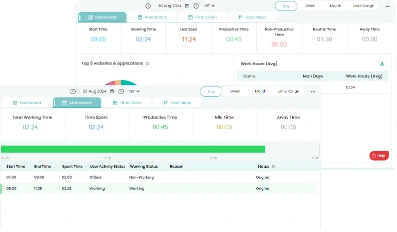
Time Champ is an employee monitoring and time tracking software that helps you manage and support hybrid teams more effectively. Its attendance tracking, productivity monitoring, and workforce analytics features help you stay informed, improve transparency, and foster better communication between remote and in-office employees.
- Time Tracking: Understand how employees spend their time and maintain a balance between collaboration and focused work.
- Productivity Tracking: Identify productivity trends and uncover communication gaps that may impact performance.
- Activity Monitoring: Gain visibility into employee work patterns and stay informed about team progress.
- Workforce Analytics: Analyze workloads and team performance to make informed decisions.
- Real-Time Monitoring: Track workforce activity in real time to understand work progress, identify issues quickly, and keep teams aligned.
- Reports & Insights: Access detailed reports to evaluate workforce trends and optimize communication strategies.
Ready to build a more connected and productive hybrid workplace?
Try Time Champ to monitor workforce performance and support seamless communication across remote and in-office teams.
Conclusion
Effective hybrid work communication requires clear expectations, the right tools, and consistent communication practices. When you address communication gaps and apply the strategies covered in this guide, you can keep your team aligned, improve collaboration, and create a more connected workplace.
With the right approach and tools like Time Champ, you can strengthen communication and support better collaboration across hybrid, remote and in-office teams.

Guna Lakshmi

Table of Content
 What Is Hybrid Work Communication?
- Why Communication Matters in Hybrid Teams
- Common Communication Gaps in Hybrid Work Environments
- 8 Effective Hybrid Work Communication Strategies
- Best Communication Tools for Hybrid Work Environments
- How to Choose the Right Hybrid Work Communication Tool
- How Time Champ Improves Hybrid Work Communication
- Conclusion
Related Blogs

Discover the hybrid work model, which blends office and remote environments for greater flexibility and productivity.
Thasleem Shaik | Oct 25, 2024
Learn 10 essential hybrid workforce best practices to boost productivity, improve communication, and foster team morale for success in a flexible work setup.
Tarun Kumar Reddy | Nov 12, 2024
Learn what a hybrid work policy is, see the 9 essential components to include, and download, edit, and use your free hybrid work policy template.
Guna Lakshmi | Jun 13, 2026
Explore the challenges and benefits of hybrid work and discover strategies for effective team management to enhance flexibility, productivity, and smooth communication.
Thasleem Shaik | Oct 25, 2024
Explore the pros and cons of remote vs. hybrid work models, and learn how to choose the best setup for your team
Tarun Kumar Reddy | Oct 25, 2024
Learn to design an effective hybrid work schedule that balances flexibility and productivity, with best practices to fit your team’s needs.
Jahnavi Pulluri | Oct 26, 2024


 4.7/5 avg.
Ready to Manage Your Workforce Smarter?
Join our family of 1500+ companies using smart insights to redefine workforces!

Free Trial
No Credit Card Required