What Is Data-Driven Recruitment? Metrics and How to Start
Learn what data-driven recruitment is, how it works, key recruitment metrics, predictive analytics in recruitment, benefits, risks, and how to get started.
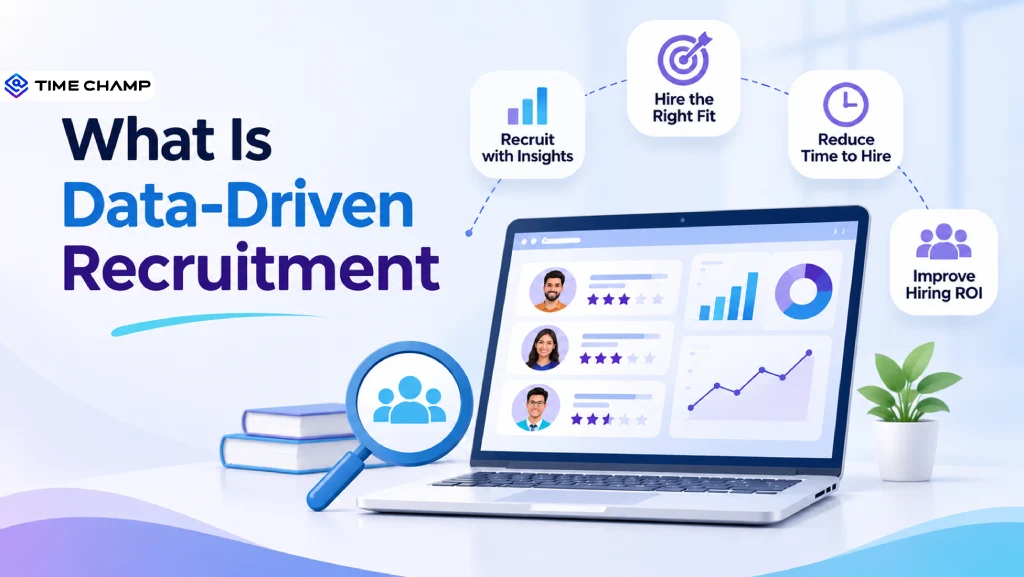
A good resume can catch your attention, but it doesn’t always tell you who will be the right fit for the job. That’s where data can make a difference. Instead of relying only on resumes, interviews, or instincts, data-driven recruitment helps you use real hiring information to make more informed decisions.
This makes it easier to spot gaps in your hiring process and improve it over time. In this guide, you’ll learn what data-driven recruitment is, which metrics matter, and how to put it into practice.
What Is Data-Driven Recruitment?
Data-driven recruitment is a hiring approach that uses recruitment data, candidate information, and measurable metrics to guide hiring decisions. It helps you understand what is working in your recruitment process, identify areas for improvement, and make hiring decisions based on evidence rather than guesswork.
It can be used throughout the hiring process, from choosing where to advertise a job to evaluating candidate quality after hiring. Regularly reviewing recruitment metrics helps you spot patterns, compare hiring results, reduce delays, and improve your overall recruitment strategy.

Did You Know?
LinkedIn's Future of Recruiting report found that 61% of talent acquisition professionals believe AI and automation can improve how they measure quality of hire.
Data-Driven Recruitment vs Traditional Recruitment
Both approaches aim to find and hire suitable candidates, but they differ in how hiring decisions are made. Traditional recruitment often depends on experience, intuition, and manual evaluation, while data-driven recruitment uses measurable information to support each stage of the hiring process.
| Aspect | Data-Driven Recruitment | Traditional Recruitment |
|---|---|---|
| Decision-making | Uses recruitment data and metrics | Relies more on experience and intuition |
| Candidate evaluation | Uses measurable candidate information | Depends mainly on resumes and interviews |
| Hiring sources | Compares the performance of different sources | Often uses familiar or commonly used sources |
| Performance tracking | Measures hiring results over time | Limited measurement after hiring |
| Hiring speed | Identifies delays using recruitment data | Delays may be harder to identify |
| Cost analysis | Tracks and compares recruitment costs | Costs may not be reviewed in detail |
| Process improvement | Uses data to identify areas for improvement | Changes are often based on experience or feedback |
How Does Data-Driven Recruiting Work?
Data-driven recruiting follows a simple cycle. Set clear hiring goals, collect relevant data, study the results, and use what you learn to improve the next hiring decision. Instead of treating recruitment as a series of separate tasks, you use information from each stage to understand what is working and where changes are needed.
Here’s how the process works:
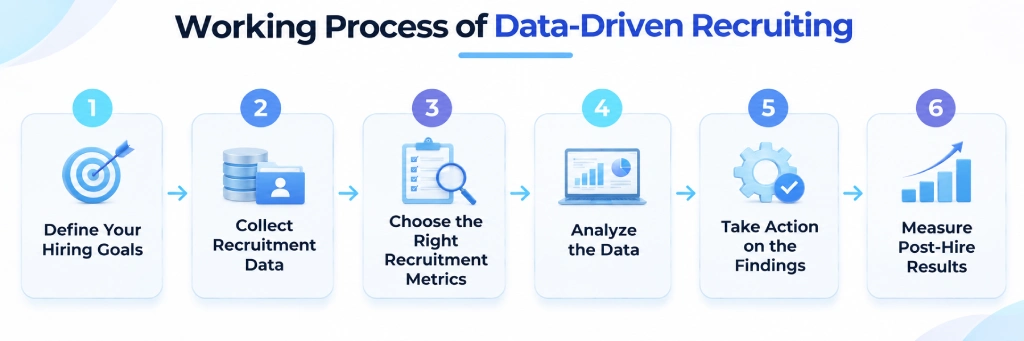
1. Define Your Hiring Goals
Start by deciding what you want to achieve. Your goal could be to reduce time-to-hire, lower recruitment costs, improve candidate quality, or reduce early employee turnover. A clear goal helps you focus on the data that actually matters.
2. Collect Recruitment Data
Gather information from the different stages of your hiring process. This can include data from your applicant tracking system, job boards, assessments, interviews, and HR records. Bringing this information together gives you a clearer view of your recruitment process.
3. Choose the Right Recruitment Metrics
You don’t need to measure everything. Select metrics that connect directly to your hiring goals, such as time-to-hire, cost-per-hire, source of hire, application completion rate, and quality of hire. These metrics help you measure progress and spot problems.
4. Analyze the Data
Look at the numbers to find patterns and gaps in your hiring process. You might discover that one job board brings more qualified candidates, a particular stage causes delays, or many candidates drop out before completing an assessment. These patterns can point to areas that need attention.
5. Take Action on the Findings
Turn your findings into practical changes. You may decide to invest more in effective recruitment channels, simplify a slow application stage, adjust screening criteria, or improve candidate communication. The goal is to use the data to make better hiring decisions.
6. Measure Post-Hire Results
The process doesn’t end when a candidate accepts an offer. Look at how new hires perform, how long they stay, and whether they meet the expectations set during hiring. These results help you understand whether your recruitment decisions are producing the outcomes you want and can guide your next hiring cycle.
Want to make better hiring decisions with real workforce data?
Use Time Champ to spot workforce trends, improve hiring decisions, and plan your workforce with confidence.
Key Recruitment Metrics for Data-Driven Hiring
Recruitment metrics help you see how well your hiring process is performing. They help you identify delays, manage hiring costs, find effective sourcing channels, and assess the quality of your hires.
| Metric | How It’s Calculated | Why It Matters |
|---|---|---|
| Time to Hire | Number of days from a candidate applying to accepting the offer | Shows how quickly you move candidates through the hiring process |
| Time to Fill | Number of days from opening a role to accepting an offer | Shows how long a position remains open before you hire someone |
| Cost per Hire | Total internal and external hiring costs ÷ number of hires | Helps you understand how much you spend to fill each position |
| Source of Hire | Percentage of hires from each recruitment channel | Shows which job boards, referrals, or other channels bring successful hires |
| Applicant-to-Interview Ratio | Number of applicants ÷ number of candidates interviewed | Helps you understand whether your job posting is attracting suitable candidates |
| Offer Acceptance Rate | Offers accepted ÷ offers made × 100 | Shows how often candidates accept your offers and can highlight issues with compensation or the hiring experience |
| Quality of Hire | A combined measure of factors such as performance, ramp-up time, and retention | Helps you understand whether your new hires are performing well and meeting role expectations |
| First-Year Attrition | New hires who leave within 12 months ÷ total new hires × 100 | Helps identify potential gaps in hiring decisions, role expectations, or the onboarding experience |
Benefits and Challenges of Data-Driven Recruitment
Data can help you understand what is working in your hiring process and where improvements are needed. However, using recruitment data also requires accurate information, responsible data handling, and the right balance between metrics and human judgment.
| Benefits | Challenges |
|---|---|
| Supports better hiring decisions with clear recruitment data | Inaccurate or incomplete data can affect results |
| Helps identify delays and speed up the hiring process | Candidate data must be handled carefully |
| Helps control and manage recruitment costs | Too many metrics can make the process difficult to manage |
| Shows which sourcing channels bring suitable candidates | Data may not capture every quality of a candidate |
| Helps evaluate hiring results through performance and retention data | Teams may need the right tools and skills to analyze the data |
Conclusion
Data-driven recruitment helps you make informed hiring decisions by using measurable information instead of relying only on intuition. Start with a few important metrics, such as time to hire, cost per hire, source of hire, and quality of hire. Review them regularly and use the insights to improve your recruitment process.

Guna Lakshmi

Table of Content
 What Is Data-Driven Recruitment?
- Data-Driven Recruitment vs Traditional Recruitment
- How Does Data-Driven Recruiting Work?
- Key Recruitment Metrics for Data-Driven Hiring
- Benefits and Challenges of Data-Driven Recruitment
- Conclusion
Related Blogs
Learn what talent analytics is, how it differs from workforce analytics, the key metrics that matter, and tools for effective, evidence-based talent decisions.
Jahnavi Pulluri | Sep 26, 2026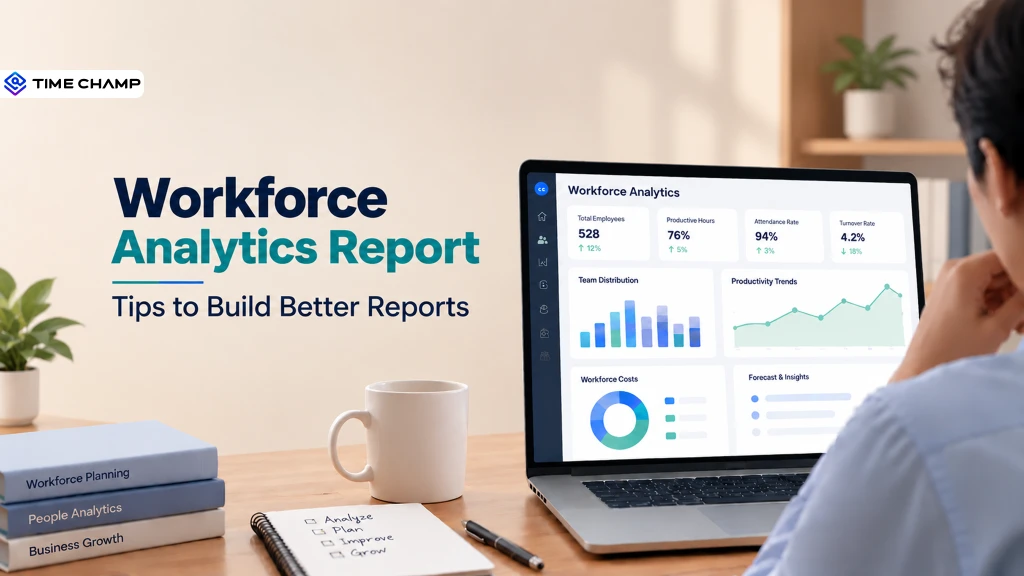
Create a better workforce analytics report with key metrics, report types, and practical steps to improve workforce planning and business performance.
Anjali | Sep 16, 2026
Stay ahead with the top workforce analytics trends for 2026, featuring predictive AI, real-time insights, and privacy-first strategies for smarter teams.
Jahnavi Pulluri | Sep 15, 2026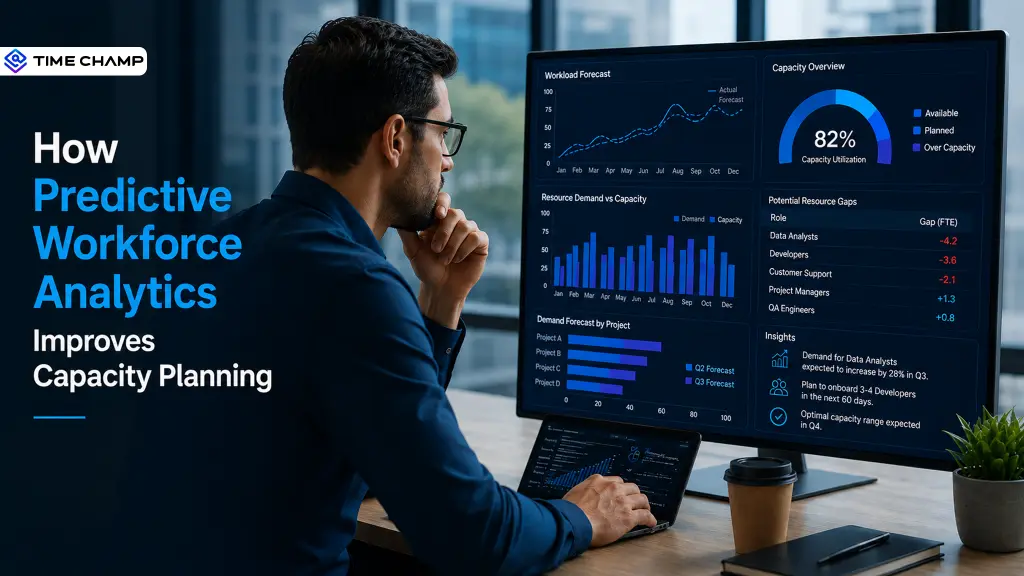
Predictive workforce analytics helps forecast trends, reduce risks, and improve planning. See how it works, its benefits, limitations, and examples.
Thasleem Shaik | Sep 14, 2026
Simple Headcount planning: the 7-step process, a free template, sizing methods, and the capacity audit that gets your roles approved in budget season.
Shabana Shaik | Aug 12, 2026
Use data-driven management to boost team performance. Discover 6 smarter decisions every manager can make with workforce data.
Guna Lakshmi | Apr 21, 2026


 4.7/5 avg.
Ready to Manage Your Workforce Smarter?
Join our family of 1500+ companies using smart insights to redefine workforces!

Free Trial
No Credit Card Required