What Is Time Theft? Causes, Impact & How to Prevent It
What is time theft, and why does it matter? Learn its common causes, examples, business impact, and ways to prevent employee time theft in the workplace.

An employee arrives on time, clocks in, and scrolls through social media before starting work. Another extends their lunch break by 20 minutes every day. These small habits may seem harmless, but when repeated across a workforce, they can cost businesses thousands of dollars in lost productivity each year.
This workplace issue is known as time theft. While some cases are intentional, others result from workplace distractions, poor time management, or unclear expectations.
If you want to know how serious it really is and what you can do about it, you're in the right place. In this blog, I’ll break down what time theft is, why it happens, and how to prevent it without creating a culture of micromanagement.
What is Time Theft?
Time theft occurs when employees are paid for time that is not spent on performing their assigned job duties. In the workplace, time theft can take many forms, including extended breaks, inaccurate timesheets, excessive personal internet use, unauthorized overtime, or arriving late while reporting full work hours.
Even small amounts of time theft can add up quickly. For example, if an employee spends just 20 minutes each day on non-work-related activities, it can result in more than 80 hours of lost productivity over the course of a year. When this occurs across multiple employees, the impact becomes even more significant, affecting project timelines, team efficiency, and overall business costs.
Types of Time Theft in the Workplace
Time theft can happen more often than you might think. Some forms are obvious, while others are easy to overlook. Here are the most common types found in the workplace.
1. Buddy Punching
Buddy punching occurs when one employee clocks in or out for another. This allows an employee to receive pay for time they were not actually present at work and can lead to inaccurate attendance records.

Did You Know?
According to the American Payroll Association, buddy punching remains one of the most common forms of employee time theft, with nearly 75% of businesses reporting financial losses as a result.
2. Extended Breaks
Taking longer breaks than scheduled might not seem like a big deal, but those extra minutes can add up and reduce productive work time.
For instance,a 30-minute lunch break regularly turns into a 50-minute break without approval.
3. Personal Internet Usage
Spending excessive time on social media, online shopping, streaming platforms, or other non-work-related websites during work hours can take attention away from assigned tasks and reduce productivity.
4. Falsifying Timesheets
Falsifying timesheets involves reporting incorrect work hours, overtime, or attendance information. This can result in employees being paid for time they did not actually work.
5. Excessive Personal Calls and Messaging
Occasional personal communication is normal in the workplace. However, frequent phone calls, texting, or messaging during work hours can interrupt workflow and take time away from assigned tasks.
6. Late Arrivals and Early Departures
Regularly showing up late, leaving early, or stepping away from work without any approval can result in lost work hours while still being paid for a full shift.
7. Remote Work Time Abuse
Remote work offers flexibility, but it can also make time theft harder to detect. This may include logging in without actively working, running personal errands during work hours, or remaining unavailable when expected to be working.
8. Time Padding
Time padding occurs when employees overstate the amount of time spent on tasks, projects, or daily activities. Even small exaggerations can lead to inaccurate reporting, higher labor costs, and reduced operational efficiency.
Common Causes of Employee Time Theft
Behind every instance of time theft is usually an underlying cause. Identifying these factors can help you reduce lost work hours and improve productivity.
1. Lack of Employee Engagement
When employees feel disconnected from their work, they are less motivated to stay focused throughout the day. This can lead to more distractions and a high possibility of spending work hours on non-work-related activities.
2. Poor Time Management Skills
Time management is a skill that many people struggle with. Employees who struggle to prioritize tasks or stay organized may spend more time on low-value activities and less time on essential tasks.
3. Unclear Expectations
When employees are unsure about their work schedules, priorities, or performance expectations, it becomes easier for their productive habits to slip.
4. Limited Supervision
When accountability is weak, it becomes easier for employees to misuse work hours. This is often seen in workplaces where attendance, productivity, or task progress isn’t tracked properly.
5. Workplace Burnout
Employees who are overwhelmed or exhausted may take more breaks, lose focus, or become less productive. Over time, burnout can contribute to behaviors that resemble time theft.
6. Inefficient Work Processes
Outdated systems, unclear workflows, and unnecessary meetings can slow employees down and create unproductive time during the workday. These inefficiencies often lead to wasted time and frustration.
8. Flexible and Remote Work Challenges
Flexible and remote work arrangements provide freedom, but they can also make it harder to separate personal and work life. Without clear boundaries, employees may be more likely to spend work hours on non-work-related tasks.
Impact of Time Theft on Businesses
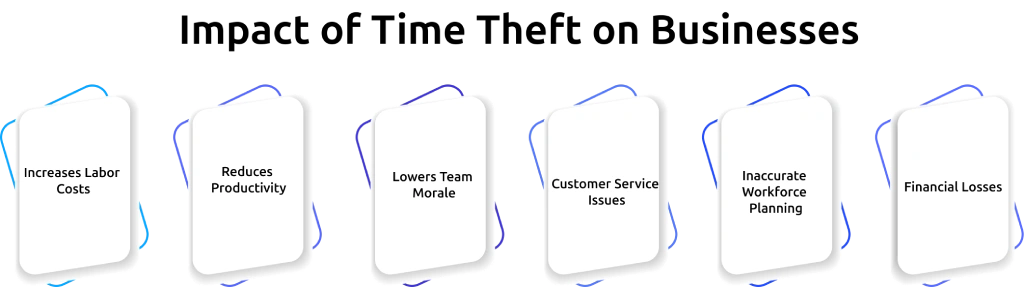
You may not notice the impact of time theft right away, but over time, it can affect multiple areas of your business. From rising labor costs to lower productivity, lost work hours can create challenges that are difficult to ignore.
Finding It Hard To Connect Daily Work With Real Results?
By Clicking "Subscribe" you agree to our Privacy Policy and consent to using your Contact data for newsletter purposes
1. Increases Labor Costs
Businesses pay employees based on their reported work hours. When employees are compensated for time that isn't spent working, labor costs increase without a corresponding increase in output. Over time, these additional expenses can affect budgets, profitability, and workforce planning.
2. Reduces Productivity
Time theft directly reduces the amount of productive work completed during the day. As work hours are lost, tasks may take longer to finish, and deadlines can become harder to meet. This can slow down projects and affect overall team performance.
3. Lowers Team Morale
Employees who consistently adhere to workplace policies may feel frustrated when they see others misusing company time without facing any consequences. This can create a sense of unfairness within the team and gradually weaken trust and accountability.
4. Customer Service Issues
When employees are distracted or unavailable during work hours, customer requests may take longer to address. Delayed responses and inconsistent service can affect customer satisfaction and damage the organization's reputation over time.
5. Inaccurate Workforce Planning
Time theft can lead to inaccurate attendance and productivity records. When you depend on incorrect data, it becomes more difficult to plan schedules, allocate resources, and accurately assess staffing requirements.
6. Financial Losses
Small amounts of lost time may not feel important at first, but time can quickly accumulate across the organization. Over time, repeated time theft can lead to significant financial losses, especially in large teams.
Stop Time Theft Before It Impacts Your Business!
Track time accurately and eliminate hidden inefficiencies
How to Identify Time Theft in Your Workplace
You don't need to watch every employee closely to identify time theft. In most cases, the signs are already there, you just need to know what to look for. Here are a few key indicators that can reveal whether work hours are being used effectively.

1. Monitor Attendance Patterns
Attendance records are often the first place where signs of time theft appear. Regular late arrivals, early departures, frequent absences, or unusual overtime requests can indicate a problem.
A single incident isn't usually a cause for concern. However, recurring patterns are worth investigating, especially if they happen consistently.
2. Review Productivity Metrics
Employees are paid for both their time and their contribution. If any employee regularly reports full workdays but struggles to meet deadlines or complete expected tasks, it may be worth taking a closer look.
Compare reported work hours with actual output, as it can help you identify potential productivity gaps or time theft concerns.
3. Review Timesheet Records
Timesheets are supposed to accurately reflect the hours your employees spend working. Reviewing reported hours alongside attendance data, completed tasks, and project progress can help you find inconsistencies.
4. Track Break Times
Most employees occasionally take a longer break than planned. However, when extended breaks become a regular habit, they can reduce productive work hours and affect team performance. Monitoring break patterns can help you identify recurring issues and address them before they become routine.
5. Use Time Tracking Tools
Time tracking software gives you visibility into employee work hours, attendance, and task activity. With reliable data, it becomes easier for you to identify irregularities, monitor productivity trends, and make smart decisions.
How to Prevent Time Theft: 10 Proven Strategies
Prevention is better than cure, and time theft is no different. Here are a few simple steps you can take to prevent it before it becomes a habit.
1. Establish Clear Policies
Make sure the employees know exactly what's expected when it comes to work hours, breaks, overtime, attendance, and remote work. Clear policies leave less room for confusion and help everyone follow the same standards.
2. Set Clear Performance Expectations
When employees understand their goals and responsibilities, they're more likely to stay focused and productive. Setting measurable expectations also makes it easier to identify performance issues early
3. Use Time Tracking Software
Reliable time tracking tools help you monitor work hours accurately and reduce chances for buddy punching, inaccurate timesheets, and attendance manipulation, as they also provide visibility into how time is being spent.
4. Encourage Accountability
Regular check-ins and performance reviews help your employees stay accountable for their work. When expectations and progress are discussed openly, employees are more likely to manage their time responsibly.
5. Improve Employee Engagement
When employees feel connected to their work, they are generally less likely to waste company time. Recognize their achievements, provide growth opportunities, and maintain open communication, as these can help them keep engaged.
6. Provide Time Management Training
Productivity issues aren't always linked to intentional time theft. Sometimes employees just need guidance on how to prioritize tasks, plan their workday, and manage their workload better.
7. Minimize Workplace Distractions
Too many meetings, unclear processes, or constant interruptions can make it difficult for employees to stay focused. Try to simplify workflows and remove unnecessary distractions to improve productivity.
8. Manage Remote Work Effectively
For remote teams, set clear expectations around availability, communication, and task deadlines. This helps to maintain accountability while still allowing employees the flexibility to work independently.
9. Conduct Regular Audits
Review attendance records, timesheets, overtime reports, and productivity data regularly. Identifying the inconsistencies can help you address potential issues before they become ongoing problems.
10. Lead by Example
Employees are more likely to follow workplace policies when leadership does the same. Demonstrating punctuality, accountability, and strong work habits helps set the standard for the entire team.
How Time Champ Helps Detect and Prevent Time Theft
Managing time theft manually can be challenging, especially for growing companies and remote teams. Without clear visibility into work hours and employee activity, it becomes difficult to track productivity and maintain accurate reporting.
Time Champ is a time tracking and employee monitoring software with a built-in workforce intelligence layer that helps you improve workforce visibility, employee accountability, and overall time management across teams.
Here are the key features:
Accurate Time Tracking
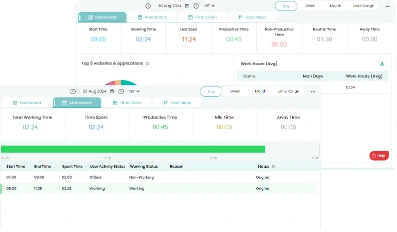
Tracks employee work hours automatically and shows gaps between logged time and actual activity. This helps you identify missed hours, manual entry errors, or potential time misuse early.
Attendance Monitoring
Monitors real-time attendance, including logins, logouts, late arrivals, early departures, and absences. This makes it easier to detect attendance irregularities and recurring time theft patterns.
Productivity Insights
Analyzes how work hours are spent and compares time logged with productivity levels. This helps you find employees who are consistently underperforming despite reporting full work hours.
Activity Monitoring
Tracks active and idle time during working hours, helping you identify unusual inactivity periods or non-work-related usage during paid hours.
Project and Task Tracking
Breaks down time spent on projects and tasks, allowing you to verify whether reported hours match actual work delivered and prevent inflated time reporting.
Automated Reports
Generates detailed reports on attendance, productivity, and work patterns, helping you quickly detect inconsistencies and take action before issues grow.
Eliminate Time Theft with Accurate Time Tracking!
Use Time Champ to monitor work hours in real time and improve accountability across your workforce.
Conclusion
Time theft can quietly impact productivity, increase costs, and affect overall workplace efficiency if it goes unnoticed. The key is to identify early warning signs and address them with clear policies and consistent monitoring. When expectations are well-defined and accountability is maintained, it becomes easier to prevent misuse of work hours. A balanced approach helps protect productivity while maintaining a healthy work culture.

Jahnavi Pulluri

Table of Content
 What is Time Theft?
- Types of Time Theft in the Workplace
- Common Causes of Employee Time Theft
- Impact of Time Theft on Businesses
- How to Identify Time Theft in Your Workplace
- How to Prevent Time Theft: 10 Proven Strategies
- How Time Champ Helps Detect and Prevent Time Theft
- Conclusion


 4.7/5 avg.
Ready to Manage Your Workforce Smarter?
Join our family of 1500+ companies using smart insights to redefine workforces!

Free Trial
No Credit Card Required