Unintentional Insider Threats: Causes, Examples & Prevention
Learn what unintentional insider threats are, the top causes, real examples of accidental data leaks, and how to prevent security risks at work effectively.

You may already use firewalls, endpoint protection, and other cybersecurity tools, but small employee mistakes can still create major security risks. According to the Ponemon Cost of Insider Risks Report, insider-related incidents now cost organizations an average of $19.5 million annually, with non-malicious actions responsible for a large share of these incidents. Simple mistakes like sending files to the wrong person, clicking a phishing email, or sharing sensitive data in AI tools can lead to data leaks, compliance risks, and financial loss.
In this guide, you will learn the top causes of unintentional insider threats, real-world examples of accidental data leaks, and practical ways to prevent security risks in your workplace. The blog also explains emerging risks like shadow AI and shares practical strategies you can use to reduce accidental security threats.
What Are Unintentional Insider Threats?
Unintentional Insider Threats occur when employees, contractors, or other authorized users accidentally create security risks through careless actions, poor judgment, or lack of awareness. These threats typically involve mistakes such as sharing sensitive data incorrectly, falling for phishing attacks, misconfiguring systems, or using unauthorized tools that expose company information.
Insider threats are generally divided into three categories based on intent and how the security risk occurs:
- Unintentional Insider Threats - Accidental actions that expose data or create security risks without malicious intent.
- Malicious Insider Threats - Deliberate actions taken to steal, leak, or damage company data.
- Compromised Insider Threats - Legitimate user accounts that attackers hijack through stolen credentials or phishing attacks.
Why Unintentional Insider Threats Matter
Many organizations invest heavily in protection against external attacks but often overlook the everyday employee actions that create security risks inside the workplace. Even small mistakes can expose sensitive business data and create long-term operational and financial problems.
- Sending files to the wrong person can expose confidential business information.
- Weak passwords and phishing clicks can give attackers access to company systems.
- Unauthorized apps and AI tools can increase the risk of accidental data leaks.
- Remote work and cloud platforms reduce visibility into employee activity and file sharing.
- Accidental insider incidents can lead to compliance violations, operational disruption, and higher financial losses.

Did You Know?
According to Fortinet Insider Risk Report 62% of insider incidents are caused by negligent or compromised users, while only 16% involve confirmed malicious intent.
5 Real-World Examples of Unintentional Insider Threats
Small employee mistakes can quietly create serious security risks and expose sensitive business information. The following real-world examples show how accidental insider threats happen during everyday workplace activities.
1. The Auto-Complete Email Mistake
A sales employee was sending a proposal to a client and accidentally selected the wrong contact from the email auto-complete list. The message, along with pricing details and confidential documents, reached a competitor. A simple email mistake exposed confidential business information and caused serious financial and reputational problems for the company.
2. The Phishing Click During a Busy Workday
An employee received what appeared to be a legitimate invoice email during a busy quarter-end period. Without noticing the suspicious link, they entered their login credentials into a fake portal. Attackers used the compromised account to access internal systems, exposing company data and triggering a lengthy security investigation.
3. The Lost Laptop with Unencrypted Data
A remote employee lost a company laptop while traveling. The device contained unencrypted customer records, saved passwords, and internal documents. Because the laptop lacked encryption and remote wipe capabilities, the organization faced potential compliance violations, customer trust issues, and the possibility of sensitive data exposure.
4. The Misconfigured Cloud Storage Folder
A team member created a shared cloud storage folder for external collaboration and accidentally changed the privacy settings to public access. Confidential company files became accessible to anyone with the link. The exposed data remained unnoticed for several days before the security team identified the issue.
5. The Shadow AI Prompt That Exposed Sensitive Data
An employee used a public AI chatbot to summarize internal source code and pasted confidential information into the platform without approval. Since the AI tool was not authorized for sensitive company data, the organization lost visibility into how the information was stored, processed, or potentially reused, creating major security and compliance concerns.
Worried about accidental data leaks from everyday employee mistakes?
Time Champ helps you detect risky activity early and prevent insider-related security risks.
What Are the 8 Common Causes of Unintentional Insider Threats
Employees often create unintentional insider threats through everyday workplace activities they do not recognize as security risks. From phishing emails to unauthorized apps and AI tools, small actions can quickly lead to data exposure and compliance issues.

1. Human Error and Pressure
Many unintentional insider threats happen during routine work activities. Employees often work under pressure, manage multiple tasks, and make quick decisions throughout the day. In these situations, even small mistakes like sending files to the wrong person, using weak passwords, or sharing confidential information on the wrong channel can create serious security risks.
Human error becomes even more common when you deal with tight deadlines, constant notifications, and high workloads. Since these actions usually happen without malicious intent, they are harder to identify until damage has already occurred.
2. Lack of Security Awareness Training
Employees cannot protect company data if they are unaware of common cybersecurity risks. Many accidental insider incidents happen because you may fail to recognize suspicious emails, unsafe downloads, fake login pages, or risky file-sharing practices. Without regular training, employees may unknowingly expose sensitive information through simple daily actions.
Limited security awareness often leads employees to bypass internal policies for convenience, especially in remote and hybrid workplaces where organizations struggle to maintain full IT visibility.
3. Phishing and Social Engineering
Phishing attacks continue to be one of the biggest causes of accidental insider threats. Cybercriminals often trick employees into clicking malicious links, downloading infected files, or sharing login credentials through fake emails and messages. Cybercriminals design these attacks to appear legitimate, which makes employees more likely to trust them during busy workdays.
Once attackers gain access to employee accounts, they can move through internal systems and access sensitive company data. Learning to identify suspicious behavior and understanding the common phishing indicators can help you significantly reduce these risks.
4. Unauthorized Apps and Shadow IT
Employees often use personal apps, file-sharing tools, or messaging platforms to complete work faster. While these tools may improve convenience, they can also create serious security gaps when they operate outside approved company systems. IT teams lose visibility into how sensitive data is stored, shared, or accessed through unauthorized applications.
Shadow IT also increases the risk of accidental data exposure, weak access controls, and compliance violations, especially when employees use public cloud services or unmanaged collaboration platforms.
5. Unsafe Use of AI Tools
Public AI tools and AI assistants can expose sensitive business information when employees use them without proper security controls or company approval. Employees may paste confidential data, customer information, source code, or internal documents into public AI platforms without realizing how the data is processed or stored.
In some cases, AI agents acting on behalf of employees can also access or share information across connected systems. Prompt injection attacks and unauthorized AI usage are becoming major concerns as businesses adopt generative AI tools across daily workflows.
6. BYOD and Personal Device Risks
Many employees use personal devices to access work accounts, company files, and internal systems while working remotely or traveling. Without proper security controls, these devices can increase the risk of accidental data exposure. A lost phone, unsecured Wi-Fi connection, outdated software, or malware infection can easily compromise sensitive business information.
BYOD environments also reduce visibility into how files are stored, shared, or accessed across personal devices. Understanding common BYOD security risks helps you to reduce accidental insider incidents and improve data protection.
7. Incorrect Security Configurations
A simple configuration mistake can expose sensitive data to unauthorized users within minutes. Employees sometimes misconfigure cloud storage permissions, sharing settings, databases, or collaboration tools while trying to improve accessibility and workflow speed. These errors often remain unnoticed until a security review or data leak occurs.
Misconfigurations are especially risky in cloud environments, where one incorrect setting can accidentally expose large amounts of confidential information to the public internet.
8. Too Much Access to Sensitive Data
Many organizations give employees broader system access than they actually need for their roles. When too many users can view, edit, or download sensitive information, the risk of accidental exposure increases significantly.
An employee with unnecessary access may unknowingly share restricted files, delete critical information, or expose customer data through simple mistakes. Excessive access privileges increase security risks because attackers can access more systems and sensitive data through a single compromised employee account.
How to Prevent Unintentional Insider Threats
You can reduce unintentional insider threats by helping employees work more securely, limiting unnecessary access, and identifying risky activity before it leads to data exposure. Small improvements in daily workflows can prevent accidental data exposure and help your organization respond faster when security risks appear.
Run Regular Security Awareness Training
Employees deal with phishing emails, suspicious links, and fake login pages every day. Regular training helps you recognize these threats early and handle sensitive information more carefully. Frequent awareness sessions also reduce risky behavior and improve security habits across daily work activities.
Limit Access to Sensitive Data
Employees only need access to the systems and files required for their roles. Restricting unnecessary permissions reduces accidental data exposure and limits security risks when accounts become compromised. Smaller access levels also help you to control insider incidents more effectively.
Use Data Loss Prevention Tools
Data Loss Prevention tools monitor file transfers, email attachments, and risky sharing activity across company systems. These tools help you detect accidental leaks early and block sensitive information before it leaves the network. Strong DLP features improve visibility and strengthen data protection.
Monitor Risky User Activity
Monitoring user activity helps you detect unusual behavior before it becomes a larger security issue. Repeated failed logins, unexpected file downloads, or suspicious sharing activity often signal insider risks. Tracking insider threat indicators improves visibility and speeds up incident response.
Strengthen Account Security
Weak passwords and stolen credentials continue to expose organizations to insider-related risks. Multi-factor authentication, strong password policies, and secure login controls add extra protection to employee accounts. Strong authentication also reduces the impact of phishing attacks and compromised credentials.
Encourage Employees to Report Mistakes Early
Employees report incidents faster when you create a supportive reporting culture. Quick reporting helps you respond before small mistakes turn into major breaches. Open communication also improves visibility into phishing attempts, accidental file sharing, and other insider-related security risks.
How Time Champ Helps Prevent Unintentional Insider Threats
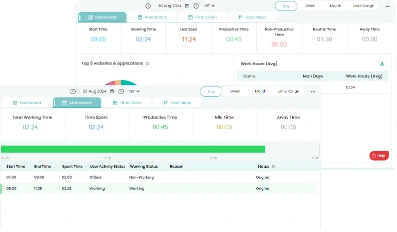
Time Champ is an employee monitoring software with complete workforce intelligence features. It helps organizations reduce accidental insider risks by improving visibility into user activity, file access, application usage, and risky behavior across the workplace. Features like Website Blocking reduce phishing exposure, while USB Device Control helps prevent unauthorized file transfers and accidental data leaks through external devices.
Time Champ also helps security teams detect risks early through File System Change Monitoring, upload download control, and real-time alerts. These features help identify suspicious file activity, prevent wrong-recipient email mistakes, and reduce response time during security incidents. With advanced employee monitoring software and built-in data loss prevention capabilities, Time Champ helps you strengthen security without disrupting daily workflows.
Ready to protect your organization from accidental data leaks?
See how Time Champ’s employee monitoring and DLP features prevent unintentional insider threats in real-time.
Conclusion
Most insider-related security incidents happen because of accidental employee actions, not malicious intent. A phishing click, file-sharing mistake, or unsafe use of AI tools can quickly expose sensitive business data and create serious operational risks. Organizations that improve employee awareness, monitor risky activity, and strengthen everyday security practices can reduce accidental data exposure and respond to insider risks more effectively. As remote work, cloud collaboration, and AI usage continue to grow, businesses need stronger visibility and proactive security measures to protect sensitive information.

Anjali

Table of Content
 What Are Unintentional Insider Threats?
- Why Unintentional Insider Threats Matter
- 5 Real-World Examples of Unintentional Insider Threats
- What Are the 8 Common Causes of Unintentional Insider Threats
- How to Prevent Unintentional Insider Threats
- How Time Champ Helps Prevent Unintentional Insider Threats
- Conclusion
Related Blogs
Learn what an Insider Threat Program is and how it helps protect data from internal risks. Get key strategies to safeguard your organization effectively.
Sai Keerthi Uppala | Mar 12, 2025
Learn who becomes a malicious insider, why they act, and how attacks unfold. A 2026 field guide with real cases, warning signs, and prevention strategies.
Jahnavi Pulluri | May 08, 2026
Learn the top 10 insider threat indicators for 2026, including warning signs, suspicious activity, and detection best practices for modern teams today.
Anjali | May 08, 2026
Discover the common indicators of a phishing attempt. Learn the top 8 signs to spot phishing emails and protect your data from cyber threats effectively.
Sai Keerthi Uppala | Jan 20, 2025
Explore insider threat mitigation strategies to build a risk reduction program with UEBA, response playbooks, KPIs, and recovery plans for modern teams.
Anjali | May 08, 2026
Learn how to implement insider threat prevention strategies and protect your business from potential internal security breaches.
Thasleem Shaik | Jan 21, 2025


 4.7/5 avg.
Ready to Manage Your Workforce Smarter?
Join our family of 1500+ companies using smart insights to redefine workforces!

Free Trial
No Credit Card Required