Maximizing Workplace Excellence with Performance Standards
Increase workplace efficiency by setting performance standards! Find out how goals enhance productivity and quality.
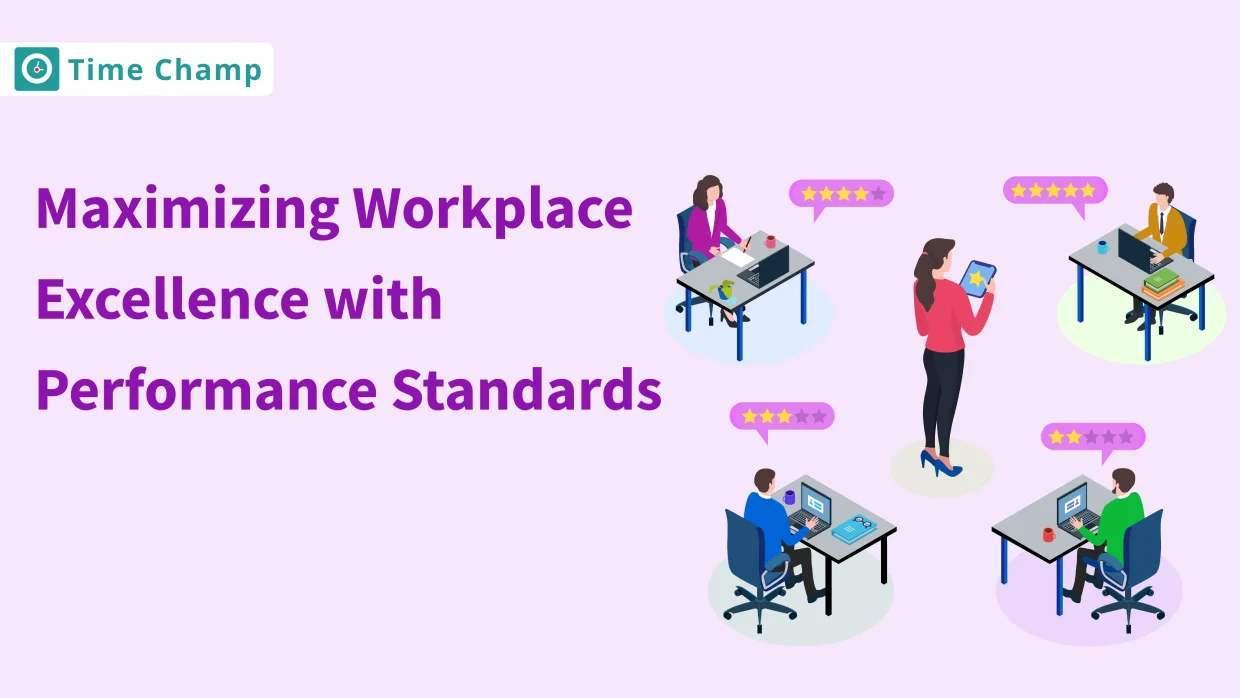
Imagine being a team leader in a marketing organization. As time goes by, you notice that some of the team members are always punctual and deliver quality work within the time frame while others fall behind. Realizing that there is a lack of clear expectations and responsibilities, you assemble your team and implement performance standards – clear guidelines that define the level of quality, the deadlines, and the cooperation.
During the discussion, you highlight the significance of these standards in achieving the team’s goals. When everyone is on the same page, you can be sure that the team will be able to work harder towards achieving its objectives.
Let’s take a closer look at some sections about performance standards.
What are Performance Standards?
Performance standards are principles that outline the performance level expected from the employees in their duties. These standards describe in detail the tasks to be performed, the level of quality expected, and the time frame within which the tasks should be completed. These standards apply to all employees, but they are more important to new employees as they enable them to know what is expected of them.
In addition, performance standards are essential resources for growth and development. It helps employees to improve on the results by working harder and smarter.
Why Performance Standards are Important?
Let’s discuss something important in the business world – the ability to maintain performance and productivity.
Well, it is obvious consistency is the key, is it not?
That is where the performance standards come in. They are like the spine of keeping things steady by setting clear expectations for what is expected from employees.
Well, strap in, because we’re going to talk about why they are crucial for maintaining an organization’s success!
- Performance standards give clarity on what is expected of the employees in as much as the duties they are supposed to perform, the quality of work expected, and the time frame within which the work is supposed to be done.
- These standards help to evaluate the performance of the employees in the organization since they are standardized. This fairness improves trust and morale among the employees since they are aware that their performance is being reviewed by similar standards.
- Measurable targets and goals provide direction and ensure that employees are responsible for their performance and productivity.
- Performance standards are important because they make it possible for an individual’s performance to be in line with the goals and objectives of the organization. This way, the expectations of the employees are in harmony with the goals of the company, and the employees can see the importance of their work to the organization.
- Performance standards help in providing constructive feedback and performance appraisals between the managers and the employees. This continuous discussion helps in the development of employees since people are advised on how to improve their performance and advance in their positions.
What are the Types of Performance Standards?
Alright, Let’s look at the various performance standards!
Understanding these categories is important in reviewing and managing the performance of employees effectively. Now, let us discuss each of the categories in detail and understand how they can be applied in the workplace.
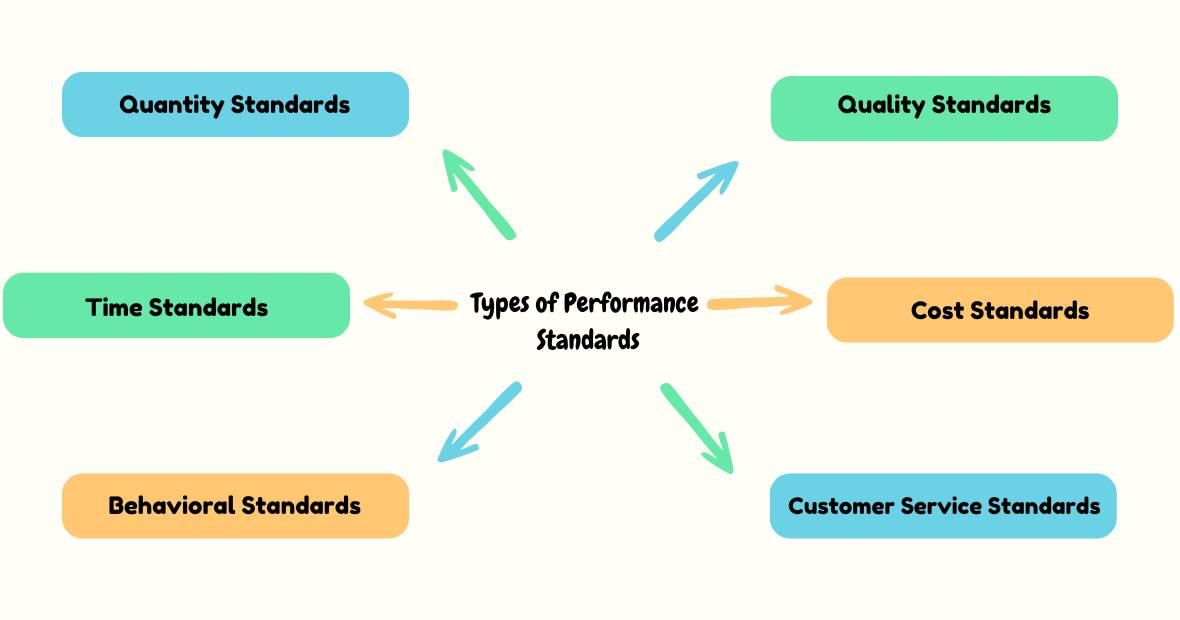
- Quantity Standards: Quantity standards indicate the amount of work output that an employee is expected to deliver within a given time frame. For instance, a salesperson may be required to make a specific number of calls or to sell a given number of products within a given period.
- Quality Standards: Quality standards are the level of quality or precision expected in each task or activity. This could be the number of mistakes made, the customer feedback, or the level to which the organization has complied with the quality assurance measures.
- Time Standards: Time standards refer to the amount of time consumed for completing a task or a project. For instance, this could be the time it takes to finish project phases, the time it takes to answer customer questions or the time it takes to address a customer’s concern.
- Cost Standards: Cost standards refer to a definite amount of money that an employee can spend while working on a particular project. This involves managing costs by ensuring that resources are used appropriately and there is no wastage. Staff members are expected to look for opportunities to generate more revenue for the company.
- Behavioral Standards: Behavioral Standards can be described as the right or appropriate manner in which people should behave in the workplace. This could be in areas such as communication skills, interpersonal skills, professionalism, or compliance with organizational policies and ethical standards.
- Customer Service Standards: These standards are meant to help ensure that the customers or clients are provided with the best services. This may include response to inquiries, complaints handling, or general customer satisfaction scores.
What are the Examples of Performance Standards?
Have you ever thought about how performance standards look like in the real world?
Now let’s take a closer look at some examples of how performance standards are used in different aspects of our work. Let’s get down to business and start with some useful tips!
- Sales performance: Performance standards such as achieving a certain level of sales revenue within a given period, making the required number of sales calls or appointments, and customer satisfaction.
- Customer Service: It involves handling customer queries, handling a certain number of customer complaints, and achieving certain scores on customer satisfaction questionnaires.
- Manufacturing: It is important to ensure that the production goals and objectives are achieved on time, reduce defects and ensure that the production line is in line with the production schedules to meet the orders.
- Healthcare: The level of patient safety, the time that the patient is likely to spend in the hospital, and the level of patient satisfaction that is expected to be attained.
- Education: Students must perform well on tests, the attendance rate is in line with the state average, and make sure both students and parents are satisfied.
- Project Management: Completing the project on time and within the budget, achieving the project goals and tasks, and maintaining the client’s satisfaction during the project.
- Information Technology: IT professionals solve a certain percentage of IT issues within certain time frames, ensure reliability, and perform well in security assessments.
These are just some examples, and the performance standards may vary depending on the type of industry, company, and position. They should always be designed to meet the objectives.
What are some tips for establishing performance standards?
Want to know how to set up performance standards?
Now let us look at some tips that will help you in the process so that it can be as easy as possible. These are the tips that will help you in setting goals and improving the culture of high performance in your organization.
- Ensure that the set performance standards are in line with the organizational objectives. This makes it easier for everyone to focus on what is relevant to the organization’s success.
- Ensure that the performance standards are well-defined. Make sure that all the participants are informed of the expectations that are expected of them. This is why it is necessary to give clear examples and rules to avoid misunderstanding of what success is.
- Targets should be achievable, but they should also be challenging. If the goals are set at a very high level, people may get discouraged and if the goals are set at a very low level, people may not be encouraged to work harder.
- Make sure that the goals are clear and quantifiable and find out how the accomplishment of the set goals will be assessed. Feedback, training needs, and motivation to do better can be given through daily or weekly meetings.
- Review those who are doing well or those who are meeting or even going beyond the expected performance levels. Offering rewards for success boosts morale and motivates employees to perform better.
Please keep these useful tips in mind as you strive to promote positive change and boost your team’s performance.
Take the first step towards a more productive and successful team! Boost your team’s productivity with effective productivity tracking!
Start your free trial today and see the difference.
Wrap Up
Leave the performance confusion behind and equip your team with clear expectations!
Performance standards serve as that map, where everyone knows what is expected from them, where the organization is headed, and what they need to do to improve. This win-win results in higher productivity, better quality, and a motivated staff that is in tune with your organization’s objectives. This guide has provided you with the areas to understand the various types of standards and how to set realistic goals. By following these steps, you will be able to foster a positive work culture that will help your organization achieve its goals.

Jahnavi Pulluri

Table of Content
-
 What are Performance Standards?
-
Why Performance Standards are Important?
-
What are the Types of Performance Standards?
-
What are the Examples of Performance Standards?
-
What are some tips for establishing performance standards?
-
Wrap Up
Related Blogs

Analyze and improve employee performance with ‘Lifetime Heat Maps’ for detailed insights and data-driven results.
Thasleem Shaik | 18 March 2025
Discover the best ways to introduce productivity monitoring in your organization smoothly and effectively.
Thasleem Shaik | 18 March 2025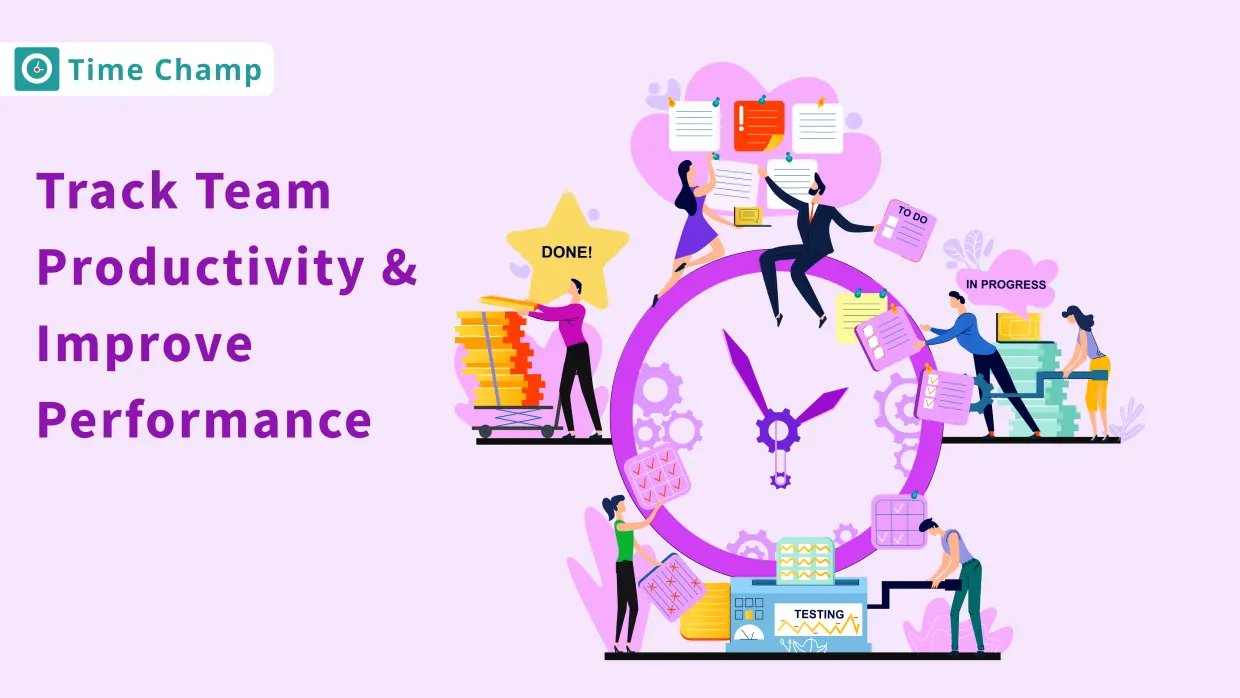
Boost team productivity and performance with effective tracking methods. Enhance productivity through data-driven insights and actionable strategies.
Shabana Shaik | 17 March 2025
Productivity Tracking Software helps remote teams stay on top, track progress, streamline workflows & boost efficiency effortlessly. Learn more!
Shabana Shaik | 15 March 2025
Learn how to boost productivity by finding the right balance in employee monitoring, focusing on key indicators, and maintaining transparency
Tarun Kumar | 14 March 2025
Struggling with employee shift scheduling? Explore the best types, benefits, and strategies to streamline shifts, boost productivity, and keep your
Tarun Kumar | 13 March 2025


 4.7/5 avg.
Ready to Manage Your Workforce Smarter?
Join our family of 1500+ companies using smart insights to redefine workforces!

Free Trial
No Credit Card Required