How to Develop a Team Performance Plan for Long-Term Success
Create a successful team performance plan with actionable steps, a ready-to-use template, key performance metrics, and practical implementation tips.

Why do some teams hit every goal while others miss the same targets quarter after quarter?
It usually isn't because of talent. The real difference is having a clear structure. Without a plan, your team can end up reacting to whatever feels most urgent instead of working toward shared goals. You can change that without adding more meetings or putting extra pressure on your team.
A solid team performance plan gives your team clear direction, shared ownership, and a practical way to measure progress over time. In this guide, you'll learn how to build a plan to improve your team's performance along with a free ready-to-use template.
What Is a Team Performance Plan?
A team performance plan is a clear roadmap that explains what your team needs to achieve, how you'll measure success, and what actions will help your team improve over time. It connects team goals, individual responsibilities, performance metrics, timelines, and review points in one practical plan.
Think of it as a working guide for better team results. Instead of only looking at performance when something goes wrong, a team performance plan helps you and your team members stay aligned from the start, track progress regularly, and make improvements before small gaps become bigger problems.
Why Is a Team Performance Plan Important?
Creating a team performance plan gives your team more than a list of goals. It provides a clear direction, keeps everyone focused on the same priorities, and helps you track progress without confusion. Instead of reacting to challenges as they appear, you can identify what needs attention early and make informed decisions that keep your team moving forward.
Here's how it helps your team perform at its best.
- Aligns Everyone Around Shared Goals: When everyone understands the same goals, it's easier to stay focused and move in the right direction. A team performance plan connects daily work with larger objectives, so every task contributes to meaningful results instead of competing priorities.
- Creates Clear Ownership: Without clear responsibilities, your team can miss important tasks or overlook key work. A performance plan assigns ownership from the beginning, so everyone knows what they need to do and when they need to do it. This improves accountability and reduces confusion.
- Makes Team Performance Measurement Easier: You can't improve what you don't track. A performance plan defines the right metrics from the start, making measuring team performance simpler and more consistent. Regular reviews help you monitor progress, identify gaps, and adjust your approach before small issues affect bigger goals.
- Supports Better Decision-Making: When you have reliable team performance data, you can make decisions based on real progress instead of assumptions. Whether you need to adjust workloads, update priorities, or allocate resources, the right data helps you act with confidence.
How Do You Create a Team Performance Plan? A 5-Step Framework
Creating an effective team performance plan becomes much easier when you follow a structured process. You can set clear expectations, track the right outcomes, and keep your team focused on shared goals. Here's a simple five-step framework to help you build a plan that supports long-term success.
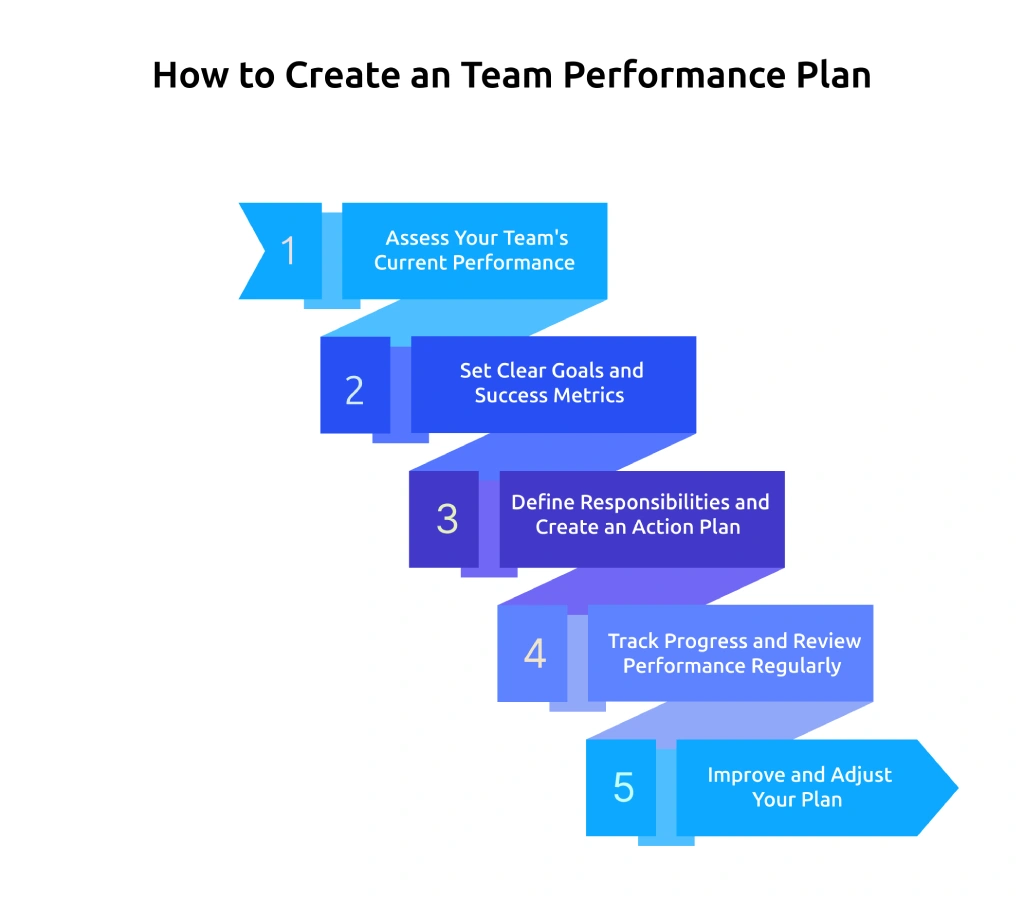
Step 1: Assess Your Team's Current Performance
Before setting new goals, understand where your team stands today.
- Review recent results, completed projects, missed deadlines, and team performance data to identify strengths and areas that need improvement.
- Collect feedback from your team to understand what's working well and the challenges affecting day-to-day work.
- Look for recurring issues, skill gaps, or workflow bottlenecks that slow progress.
- Use these insights to create a realistic plan based on your team's current needs instead of assumptions.
Step 2: Set Clear Goals and Success Metrics
Clear goals give your team a common direction and make progress easier to track.
- Define a few realistic goals that align with your team's priorities and expected outcomes.
- Choose meaningful SMART goals for team performance indicators that reflect both the quality of work and overall results.
- Set measurable targets so you can review progress consistently throughout the plan.
Step 3: Define Responsibilities and Create an Action Plan
Everyone should know what they own and how they contribute to the team's goals.
- Assign clear responsibilities for every goal, task, or key deliverable.
- Break larger goals into smaller action items with realistic timelines.
- Identify the resources and support your team needs to complete the work successfully.
- Keep responsibilities clear to reduce confusion and improve accountability.
Step 4: Track Progress and Review Performance Regularly
Regular reviews help you stay on track and solve problems before they grow.
- Schedule regular check-ins to review progress against your goals and key performance metrics.
- Review performance data regularly to identify delays, bottlenecks, and opportunities for improvement.
- Discuss challenges openly and adjust priorities whenever your team needs additional support.
- Recognize achievements along the way to keep your team motivated and focused.

Did You Know
According to Forbes, 89% of HR leaders believe that regular peer feedback and check-ins are essential for successful outcomes.
Step 5: Improve and Adjust Your Plan
A good plan should grow with your team instead of staying the same.
- Review results regularly to identify what worked well and what needs improvement.
- Update goals, priorities, or action plans when business needs or team priorities change.
- Use every review to evaluate team performance and make better decisions for future planning.
- Continue refining your approach to support consistent growth and long-term success.
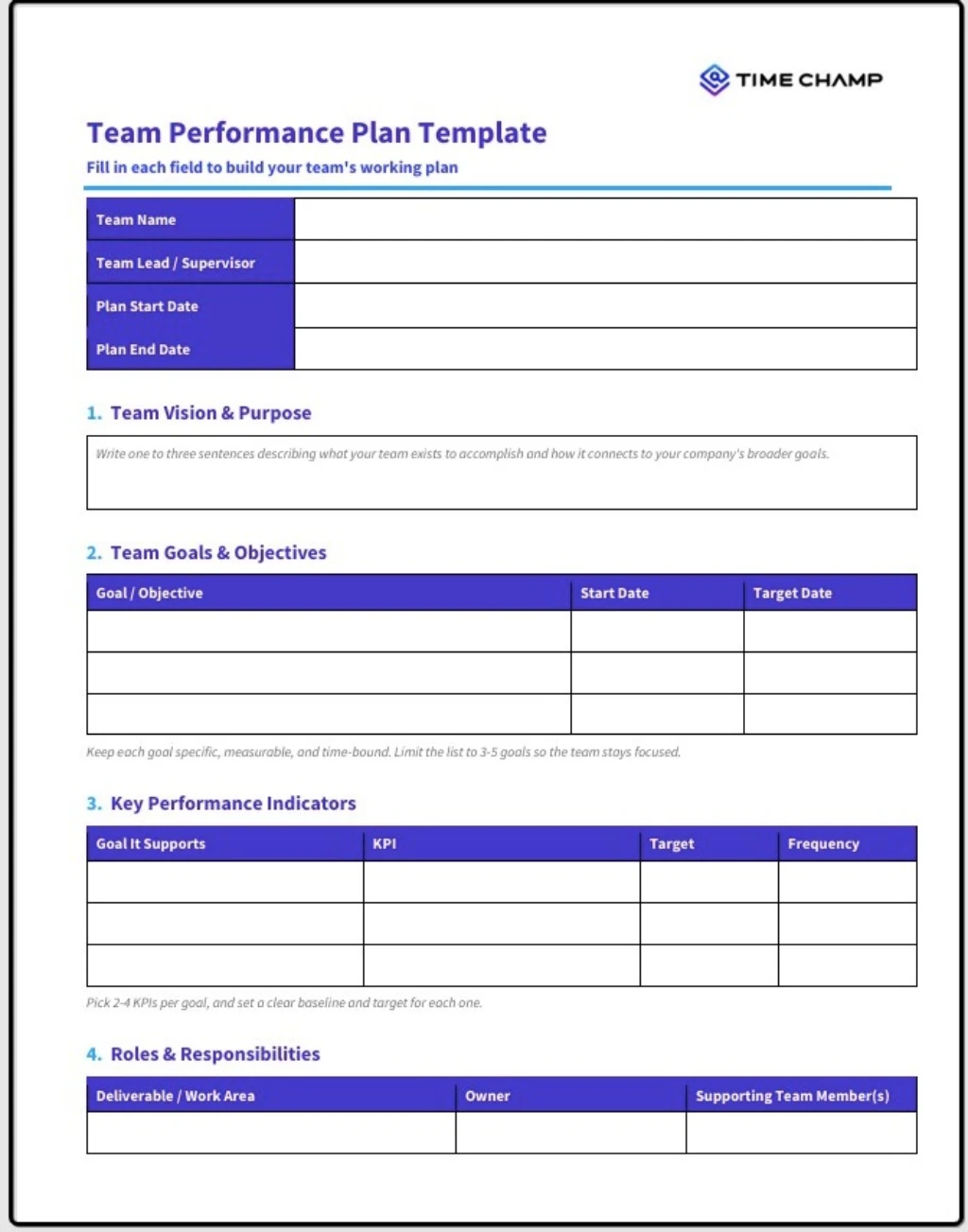
Free Team Performance Plan Template
A team performance plan template gives you a clear starting point instead of creating everything from scratch. It includes a structured format for your team's vision, SMART goals, KPIs, responsibilities, action plans, and review schedule. You can customize each section to match your team's goals and priorities, making it easier to build a practical plan and put it into action quickly.
Team Performance Plan vs. Performance Improvement Plan: Key Differences
A team's performance plan and a Performance Improvement Plan (PIP) may sound similar, but they serve different purposes. Knowing the difference helps you choose the right approach at the right time and avoid using one in place of the other.
The table below highlights the key differences between these two plans.
| Aspect | Team Performance Plan | Performance Improvement Plan (PIP) |
|---|---|---|
| Purpose | Helps your team achieve shared goals and improve overall performance. | Helps an individual improve performance after consistent gaps or missed expectations. |
| Focus | Focuses on the entire team and collective outcomes. | Focuses on one individual's performance and specific improvement areas. |
| Approach | Proactive and growth oriented. | Corrective and performance focused. |
| When You Use It | Before starting a new project, planning a new quarter, or working toward long-term goals. | When consistent performance issues require a structured improvement plan. |
| Goals | Sets shared goals, priorities, timelines, and success metrics for the team. | Defines specific improvement goals, actions, and timelines for one individual. |
| Duration | Usually continues throughout a quarter, project, or business cycle and evolves as priorities change. | Runs for a fixed period, such as 30, 60, or 90 days, based on the improvement needed. |
| Success Measurement | Measures overall team progress through shared goals and performance metrics. | Measures whether the individual meets the expected improvement targets within the agreed timeline. |
| Outcome | Builds better collaboration, accountability, and long-term team success. | Helps the individual improve performance and meet expected standards. |
Common Team Performance Plan Mistakes (and How to Avoid Them)
Even a well-designed plan can fall short if you miss a few important details. Knowing these common mistakes helps you avoid unnecessary setbacks and keeps your team focused on the right priorities from the beginning.
1. Setting Goals Without Team Input
When you set goals without involving your team, it's harder to build commitment and ownership. Your team may complete tasks, but they won't always understand the bigger purpose behind them.
How To Avoid It
- Discuss goals with your team before finalizing them.
- Encourage suggestions and feedback during the planning process.
- Make sure everyone understands how their work supports the team's objectives.
2. Tracking Too Many Metrics
Tracking too many metrics can turn your plan into a reporting task instead of a practical tool. When every metric demands attention, your team can lose focus and spend more time updating reports than making meaningful progress.
How To Avoid It
- Choose two to four meaningful team performance indicators for each goal.
- Focus on metrics that directly support your priorities and expected outcomes.
- Review your KPIs every quarter and remove any that no longer provide useful insights.
3. Focusing Only on Problems
Many teams only review performance when something goes wrong. This approach can lower motivation and prevent your team from recognizing what's already working well.
How To Avoid It
- Celebrate achievements along with discussing challenges.
- Recognize progress during regular review meetings.
- Build on successful practices while improving weaker areas.
5. Treating the Plan as a One-Time Activity
Creating a plan is only the beginning. If you never update it, the plan quickly becomes outdated as goals, priorities, and workloads change.
How To Avoid It
- Review your plan regularly and make improvements when needed.
- Update goals, timelines, and action items as your priorities evolve.
- Use feedback and performance results to refine your approach over time.
How Can You Improve Team Performance with Time Champ?
Building a plan is only the first step. To keep your team moving in the right direction, you also need a simple way to monitor progress, review performance, and identify improvement opportunities as work happens. That's where Time Champ, an employee monitoring and productivity tracking platform, helps. It gives you clear visibility into your team's work, making it easier to measure progress, review results, and make informed decisions throughout your planning cycle.
Here are some of the key features that help you track performance, measure progress, and keep your team aligned with its goals.
- Automatic Time Tracking: Capture work hours automatically in the background without relying on manual timesheets. Gain a clear view of how your team spends time across tasks and projects to review progress, improve planning, and reduce reporting errors.
- Productivity Tracking: Track productive and non-productive work hours to understand daily work patterns. Reduce distractions, improve focus, and make informed decisions that support better team performance.
- Performance Reports and Analytics: Analyze accurate performance data to understand work trends and measure progress over time. Identify improvement opportunities and make better decisions with clear, actionable insights.
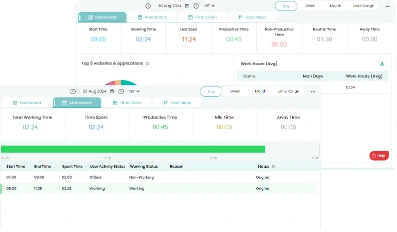
- Team Performance Dashboard: Monitor your team's performance from a single dashboard. Review workloads, track ongoing progress, and identify issues early before they affect overall performance.
- Goal and Progress Tracking: Track progress throughout the planning cycle to keep your team aligned with its goals. Identify gaps early, adjust priorities when needed, and keep work moving toward expected outcomes.
Conclusion
Success doesn't come from setting goals alone. A clear team performance plan helps your team stay focused, measure progress, and improve performance as priorities evolve. Time Champ makes the entire process easier with real-time tracking, meaningful insights, and reports that help you keep your team moving in the right direction.

Thasleem Shaik

Table of Content
 What Is a Team Performance Plan?
- Why Is a Team Performance Plan Important?
- How Do You Create a Team Performance Plan? A 5-Step Framework
- Free Team Performance Plan Template
- Team Performance Plan vs. Performance Improvement Plan: Key Differences
- Common Team Performance Plan Mistakes (and How to Avoid Them)
- How Can You Improve Team Performance with Time Champ?
- Conclusion
Related Blogs

Explore employee performance monitoring types, effective methods, common mistakes, and practical ways to improve overall team performance for modern workplaces.
Anjali | May 08, 2026
Increase workplace efficiency by setting performance standards! Find out how goals enhance productivity and quality.
Jahnavi Pulluri | Jul 10, 2024
Learn how employees can respond to a PIP and improve performance. Get expert advice on handling performance improvement plans with confidence.
Thasleem Shaik | August 08, 2025![Performance Management vs Performance Appraisal [Key Differences]](https://www.timechamp.io/images/blog-images/difference-between-performance-management-and-performance-appraisal--1-a77b14b4.webp)
Confused about performance management vs performance appraisal? Discover the key differences and when to use each to achieve stronger results.
Thasleem Shaik | Apr 02, 2026
Align employee performance with productivity tracking using a practical framework, clear metrics, and a 90-day plan to turn your data into measurable growth.
Jahnavi Pulluri | Apr 30, 2026
Explore effective methods for evaluating employee performance in hybrid work settings, improving accountability, and supporting better team outcomes.
Anjali | Jun 24, 2026


 4.7/5 avg.
Ready to Manage Your Workforce Smarter?
Join our family of 1500+ companies using smart insights to redefine workforces!

Free Trial
No Credit Card Required