What is Long Term Planning? How It Unveils Success
Learn long term planning with a practical framework, avoid common pitfalls, track your progress effectively, and build plans that deliver lasting results.

Everyone has long-term goals. The challenge isn't setting them, it's sticking to them. Day-to-day work has a way of taking over, pushing strategic priorities further down the list. Before you know it, another quarter has passed, and the goals that once felt exciting to you, now haven't moved much at all.
The difference between organizations that consistently grow and those that constantly play catch-up often comes down to one thing: effective long term planning. Done well, it turns big ambitions into clear priorities and keeps everyone moving in the same direction. In this blog, you'll learn how to build a practical long-term plan, avoid common pitfalls, and know whether your strategy is actually working.
What is Long Term Planning?
Long term planning is the process of setting goals and creating a roadmap to achieve them over an extended period, typically 2 to 5+years. Instead of focusing only on short-term priorities, it helps individuals and organizations make decisions that align with their long term vision. The goal isn't to predict the future, it's to stay focused and adaptable as circumstances change.
A good long-term plan provides clear direction, helps prioritize what matters most, and gives you a way to measure progress over time.
Why Does Long Term Planning Actually Matter?
Long term planning gives you a clear direction and helps you make better decisions about where to invest your time, budget, and resources. It helps everyone on your team understand what they're working toward and why it matters. Instead of constantly reacting to urgent tasks or changing priorities, you can stay focused on the goals that move your business forward. When challenges come up, you'll have a plan to guide your decisions and keep your team moving in the right direction.
How Do You Build a Long Term Plan, Step by Step?
Building a long term plan isn’t a one-time brainstorming session, it’s a structured process. Each step builds on the previous one. If you skip steps, the plan may look good on paper but fail in reality.
1. Define Your Vision First
Before anything else, define where you want your business to be in the next 5–10 years. Keep it simple, clear, and understandable even for someone new to the company. If you can’t explain it in two sentences, it’s not ready yet. This vision becomes the foundation for every decision from now on.
2. Run A Realistic SWOT Analysis
Assess your strengths, weaknesses, opportunities, and threats honestly. A proper SWOT requires input from different perspectives across the business. The goal is to understand what’s actually helping or blocking your progress, not what you think is happening.
3. Break the Vision into Milestones
A 10-year goal isn’t actionable on its own. Break it into smaller milestones that are time-bound and measurable. Each milestone should clearly answer: “Does this move us closer to the long-term vision, or are we just staying busy?”
4. Allocate Resources Intentionally
Time, budget, people, and tools are limited. Instead of distributing them evenly, prioritize the milestones that create the most impact. Strong long term plans are built on focus, not equal distribution.
5. Convert Milestones into Actionable Tactics
This is where planning becomes execution. Define the exact actions needed to reach each milestone. Consider market conditions, customer needs, and competitive pressure. At this stage, strategy turns into a clear set of responsibilities and tasks.
6. Build Feedback Loops Early
Set regular check-ins to review real progress, not just status updates, and presenting those updates in a structured deck built with an online presentation maker ensures leadership gets a clear, consistent view of progress at every touchpoint. Feedback should flow both ways: leadership understands ground realities, and teams understand shifting priorities.
What Common Mistakes Quietly Derail Long Term Plans?
A surprising number of long term plans fail not because the strategy is wrong, but because the execution breaks down. In fact, research suggests that around 90% of strategic plans fail at the implementation stage, often due to avoidable mistakes rather than poor ideas.
Here are the most common issues that quietly derail long-term planning:

1. Treating Planning as A Once-A-Year Activity
Many teams only revisit their long term plan during annual reviews or offsites. The problem is that plans age quickly. Without regular updates, even a strong strategy becomes outdated within months.
2. No Link Between Strategy and Daily Work
A common failure point is the gap between planning and execution. If long term goals are not connected to daily tasks, teams end up working on two separate tracks.
3. Vague or Unclear Milestones
Goals like “grow the business” sound good but don’t create direction. Effective milestones must be specific and measurable, such as increasing enterprise accounts from 40 to 65 by a set timeline.
4. Poor Resource Planning
Many plans fail because they assume unlimited time, budget, or people. In reality, committing to too many initiatives without matching resources leads to overload and slow progress across everything.
5. No Clear Ownership of The Plan
If no one is responsible for maintaining and tracking the plan, it slowly loses importance. Accountability ensures the plan stays active instead of becoming a forgotten document.
6. Lack of Flexibility
Long term planning does not mean rigidity. Markets, customers, and conditions change. Plans that cannot adapt usually break under pressure instead of evolving with reality.
Best Practices for Long Term Planning That Actually Stick
Long term planning only works when it survives real-world execution. These best practices help ensure your plan doesn’t just look good on paper but actually holds up over time.
1. Involve the People Doing the Work
Don’t limit planning to leadership alone. The people closest to execution often see practical challenges that don’t show up in high-level discussions. Involving them early improves accuracy and reduces blind spots.
2. Invest in Future Skills, Not Just Current Tasks
A long term plan is only as strong as the people executing it. Focus not only on today’s workload but also on building the skills your team will need to execute future goals effectively.
3. Consider Ripple Effects
Every strategic decision impacts customers, employees, and the broader environment. Strong long term planning includes thinking through these ripple effects before decisions are finalized.
4. Use Scenario Planning (“What If” Thinking)
Don’t wait for disruptions to happen, prepare for them. Running scenarios, like supplier failure, market shifts, or budget cuts, helps you respond faster when reality changes.
5. Focus on One Clear Goal
Too many goals dilute focus. A strong long term plan is anchored around one clear, ambitious objective that aligns teams and drives decision-making.
6. Keep Customer Feedback in The Loop
Long term strategies that ignore customer needs quickly become outdated. Continuous customer feedback ensures the plan stays relevant and market-aligned.
7. Build Compliance into The Plan Early
Regulations and policies don’t adjust to your strategy, you must adapt to them. Addressing compliance requirements early helps prevent delays and issues later in the project.
8. Give Ownership, Not Just Tasks
People commit more deeply to outcomes they help shape. When teams have ownership over results, not just assigned tasks, execution becomes stronger and more consistent.
How Time Champ Helps Keep Long Term Plans on Track
Creating a long term plan is only half the job, the real challenge is making sure execution stays aligned with it. This is where Time Champ adds value.
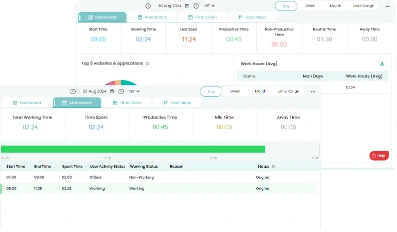
Time Champ is an employee monitoring software that helps businesses track work hours, productivity, team performance, and project progress. It helps you compare day-to-day execution against long-term goals. Instead of waiting for quarterly reviews to find issues, you can identify problems early and take corrective action.
Some key indicators to monitor include:
- Priority Alignment: Are strategic initiatives receiving enough time and attention?
- Project Progress: Are milestones staying on schedule or starting to slip?
- Team Workload: Is work distributed evenly, or are some teams overloaded?
- Execution Visibility: Are progress updates backed by real data instead of assumptions?
With these insights, Time Champ acts as an early warning system, helping teams stay aligned with their long term strategy, make informed decisions, and keep plans moving forward.
Turn Your Long Term Plan into Real Progress
See how your team's time, projects, and priorities align with your goals using Time Champ
Conclusion
Long term planning gives your goals a clear path instead of leaving them to chance. When you set a clear direction, break it into achievable milestones, and review your progress regularly, you're far more likely to stay on course. Plans will change as circumstances evolve, and that's perfectly normal. What matters is having a framework that helps you adapt without losing sight of where you're headed.
Table of Content
 What is Long Term Planning?
- Why Does Long Term Planning Actually Matter?
- How Do You Build a Long Term Plan, Step by Step?
- What Common Mistakes Quietly Derail Long Term Plans?
- Best Practices for Long Term Planning That Actually Stick
- How Time Champ Helps Keep Long Term Plans on Track
- Conclusion
Related Blogs
Struggling with shift planning for field employees? Discover how to organize schedules, handle last-minute changes, and keep your team running smoothly.
Jahnavi Pulluri | July 24, 2025
Discover dynamic workforce planning: what it is, why it’s important, key components, how to create a plan, and how it differs from strategic planning.
Guna Lakshmi | September 15, 2025![Strategic Workforce Planning: 2025 Guide [+ Free Templates]](https://www.timechamp.io/images/strategic-workforce-planning.webp)
Discover strategic workforce planning: definition, process, tools, and templates. Align talent with business goals and prepare your workforce for the future.
Shabana Shaik | September 16, 2025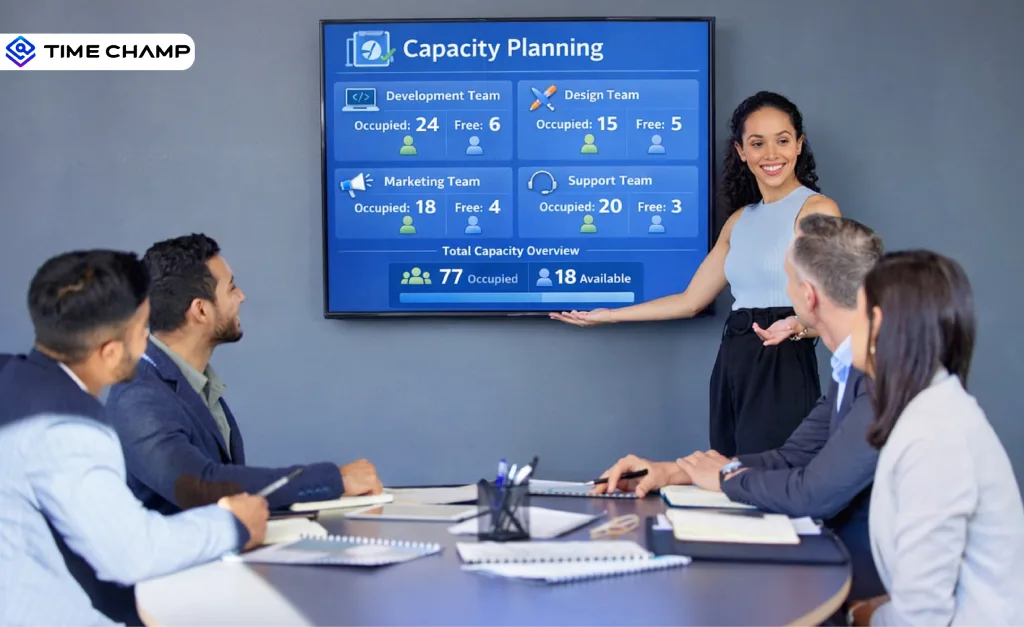
Capacity Planning: Explore what it is, types, strategies, real-world examples, benefits, challenges, and how to implement it effectively in projects
Tarun Kumar | Apr 02, 2026
Strategic planning vs operational planning: definitions, differences, benefits, and use cases to align long-term goals with daily execution effectively.
Anjali | Apr 08, 2026
Learn what is project planning: key components, examples, templates, strategies, benefits, challenges & tools to ensure project success and efficiency.
Guna Lakshmi | Apr 08, 2026


 4.7/5 avg.
Ready to Manage Your Workforce Smarter?
Join our family of 1500+ companies using smart insights to redefine workforces!

Free Trial
No Credit Card Required