Strategic Planning vs Operational Planning: Key Differences (2026)
Strategic planning vs operational planning: definitions, differences, benefits, and use cases to align long-term goals with daily execution effectively.

You might have good business objectives, but still, the implementation process feels inconsistent, the real challenge lies in how you approach the strategic and operational planning. Most organizations struggle to bridge the gap between long-term vision and daily execution, which leads to missed priorities and slower growth, without having a clear roadmap. The detail here sits inside a wider conversation covered in our best project management software guide.
The guide will help you to understand the difference between strategic and operational planning, their definitions, major differences, benefits, and practice examples. You'll also learn how to align the long-term strategy with daily operations to drive the measurable and sustainable business development.
What is Strategic Planning?
A strategic plan outlines the priorities, allocates resources, and guides major business decisions. A strategic plan connects leadership vision with clear priorities to ensure that all departments work towards a common result within a multi-year horizon, i.e., 2-5 years. It guides the resource allocation, decision-making, competitive positioning, and performance management while preparing the organization to act effectively to market changes and emerging opportunities.
- Scope: Covers the whole organization, including vision, mission, and competitive positioning, growth targets, and long-term resource planning.
- Focus: Mainly focus on the long-term goals, market expansion, risk management, innovation, and sustainable competitive advantage.
- Key Functions: Setting the organizational vision and long-term goals, prioritizing major projects, allocating the resources strategically, defining the KPIs, and monitoring progress through periodic performance reviews.
- Example: A SaaS company develops a 3-year strategic plan to expand into international markets, increase the annual recurring revenue by 40%, invest in AI-based features, and build strategic partnerships to enhance its competitive position.
What is Operational Planning?
Operational planning is a structured management process that converts the strategic objectives of an organization into short-term actions, workflows, and performance objectives. An operational plan clearly defined the tasks, timelines, key responsibilities, budgets, and KPIs to ensure consistent execution at the departmental or team level. It typically covers the daily, monthly, or quarterly activities and focuses on enhancing efficiency, productivity, cost control, and goal achievement through supporting the broader strategic direction of the organization.
- Scope: It covers the departmental tasks, team responsibilities, project schedules, and workflow management.
- Focus: Mainly focuses on the short-term implementation, operational efficiency, performance monitoring, and meeting the defined objectives.
- Key Functions: Transforms strategic plans into practical activities, assigns responsibility, sets targets, controls KPIs, and operational budgets.
- Example: A marketing team creates an operational plan to generate 2,000 qualified leads in one quarter to conduct the weekly campaigns, assigning ownership, and monitoring the conversion rates.
What Are the Key Differences Between Strategic Planning and Operational Planning?
Knowing the difference between strategic and operational planning will help you to connect the long-term vision and daily execution. Although both are necessary, they serve different purposes, timelines, and management levels within an organization.
| Basis of Comparison | Strategic Planning | Operational Planning |
|---|---|---|
| Purpose | Establishes long-term direction and defines the overall organizational objectives. | Converts the strategic goals into specific actions and day-to-day activities. |
| Scope | Covers all the departments and operations throughout the organization. | Team-specific focus or departmental. |
| Time Frame | Long-term, typically 2-5 years. | Short-term, usually monthly, quarterly, or annual. |
| Focus Area | Growth, competitive advantage, innovation, and market positioning. | Productivity, efficiency, deadlines, and task execution. |
| Flexibility | Adjusted when the major market or business shifts occur. | Frequently updated based on the operational performance and requirements. |
| Level of Detail | Broad, high-level strategic initiatives. | Very detailed action steps, schedules and resource assignments. |
What Are the Key Similarities Between Strategic Planning and Operational Planning?
| Basis of Similarity | Strategic Planning | Operational Planning |
|---|---|---|
| Goal Alignment | Defines long-term organizational goals. | Supports and executes those defined goals. |
| Performance Tracking | Sets KPIs to measure the long-term success. | Monitors the daily and short-term performance metrics. |
| Resource Allocation | Determines the overall resource priorities. | Allocates the resources across the projects and tasks. |
| Decision-Making Support | Guides major business decisions. | Guides the day-to-day operational decisions. |
| Continuous Review | Reviews periodically to assess the strategic progress. | Reviewed consistently to monitor the execution efficiency. |
| Collaboration Requirement | Needs the leadership and cross-functional coordination. | Needs the team-level collaboration and accountability. |
When Should You Use Strategic Planning and Operational Planning?
Understanding the strategic planning vs operational planning helps you to decide which approach to prioritize at the right time. Use every method intentionally based on your organization's goals and execution requirements.
When to Use Strategic Planning
- Setting Long-Term Direction: Use a strategic plan when you define your organization’s vision, mission, and 2–5 year growth objectives. This ensures the leadership decisions align with the measurable long-term outcomes.
- Entering New Markets or Expanding Operations: Use strategic planning when you plan to expand geographically, diversify a product, or undertake digital transformation initiatives that affect the whole organization.
- Making High-Impact Investment Decisions: Use strategic planning to allocate the large budgets, restructure departments, and invest in technology and innovation.
- Responding to Market or Industry Changes: Rely on strategic planning when you have to adjust to the shifts in the economy, competition, or regulatory changes.
- Driving Sustainable Competitive Advantage: Select strategic planning when your objective is the long-term profitability, market leadership, and brand positioning.
When to Use Operational Planning
- Translating Strategy into Action: Utilize operational intelligence when you break down the strategic goals into daily, weekly, or quarterly tasks for teams.
- Managing Departmental Targets: Use operational planning while setting performance metrics, timelines, and resource allocations at a team level.
- Improving Productivity and Efficiency: Streamline the workflows, reduce delays, and optimize the resource utilization using operational planning.
- Monitoring Short-Term Performance: Rely on the operational intelligence when monitoring project KPIs, milestones, and execution progress regularly.
- Adjusting Based on Real-Time Needs: Select the operational planning when you require flexibility to respond to the workload changes or immediate operational challenges.
How Can You Measure the Effectiveness of Strategic Planning and Operational Planning?
Although there is no single universal formula, you can apply the measured calculations to determine how well your strategic plan and operational implementation deliver outcomes.
For strategic planning, organizations measure success using the Strategic Goal Achievement Rate:
(Number of Strategic Goals Achieved ÷ Total Strategic Goals Set) × 100
For instance, if you set 10 long-term objectives in your strategic plan and achieve them, your success rate becomes (8 ÷ 10) × 100 = 80%.
To analyze operational planning, you may use the Operational Efficiency rate:
(Actual Output ÷ Planned Output) × 100
For example, if your team planned 1,000 units and delivered 900 units, the efficiency equals 90%.
Conclusion
Once you get a clear understanding of strategic planning vs operational planning, you no longer view strategy and execution as two different actions. Strategic planning is about where you want to go, whereas operational planning is about how you are going to get there. Teams lack direction without a solid strategic plan. Without an organized operational plan, the strategy remains unexecuted.
You need to align the long-term goals with the day-to-day performance goals to drive the visible and continuous growth. When leadership vision integrates with an organized implementation, your organization will get complete clarity, responsibility, and consistent outcomes. The true advantage is not doing one over the other but integrating both the planning approaches effectively.
Struggling to connect long-term goals with daily tasks?
Use Time Champ to bring clarity between direction and day-to-day work.
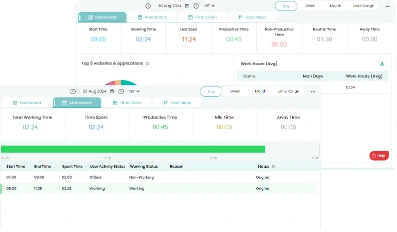
Table of Content
-
 What is Strategic Planning?
-
What is Operational Planning?
-
What Are the Key Differences Between Strategic Planning and Operational Planning?
-
What Are the Key Similarities Between Strategic Planning and Operational Planning?
-
When Should You Use Strategic Planning and Operational Planning?
-
How Can You Measure the Effectiveness of Strategic Planning and Operational Planning?
-
Conclusion
Related Blogs
Discover strategic workforce planning: definition, process, tools, and templates. Align talent with business goals and prepare your workforce for the future.
Shabana Shaik | September 16, 2025
Find out the difference between short-term and long-term planning. Learn how businesses set short-term goals and lay the foundation for long-term success in simple terms.

Learn what aggregate planning is, why it matters, examples, how to create plans, key strategies, benefits & how to overcome challenges effectively.
Chethana | Feb 19, 2026
Discover 10 workforce planning models every HR professional should know to align talent with business goals, improve efficiency, and plan for the future.
Thasleem Shaik | September 30, 2025
Unlock the secrets to operational efficiency! Learn what strategies work and what to avoid to streamline your business operations.
Thasleem Shaik | Jun 06, 2023
Discover dynamic workforce planning: what it is, why it’s important, key components, how to create a plan, and how it differs from strategic planning.
Guna Lakshmi | September 15, 2025


 4.7/5 avg.
Ready to Manage Your Workforce Smarter?
Join our family of 1500+ companies using smart insights to redefine workforces!

Free Trial
No Credit Card Required