Free Employee GPS Tracking Policy – Downloadable Templates
Create a compliant and effective GPS tracking policy. Download a free, customizable template and explore best practices for ethical operation and compliance.
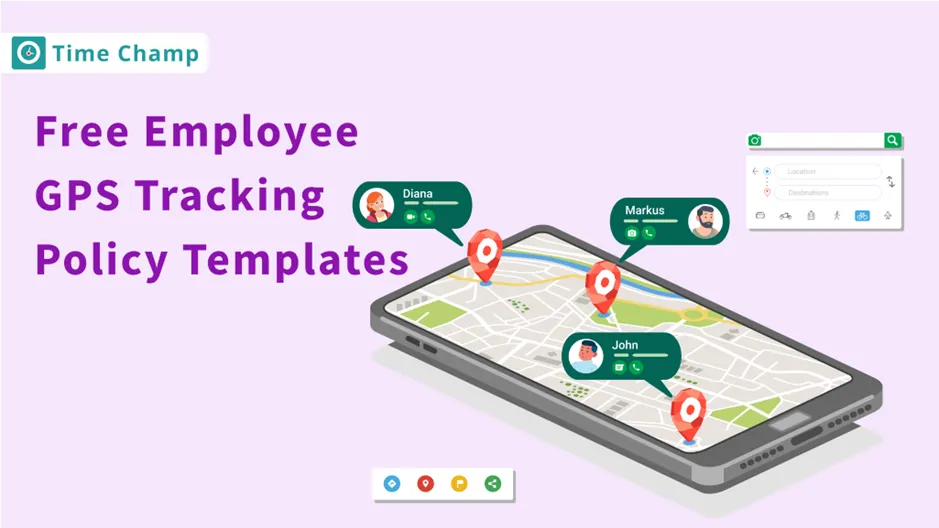
Although GPS tracking is very valuable today, firms must have a policy to manage it properly to avoid the risk of legal complications. Making a well-defined GPS tracking policy ensures regulatory compliance, keeps employee privacy safe and improves company performance. In this guide, you will find advice, practical tips and a downloadable policy template, so you can set up tracking in a clear, and effectively.
What is a GPS Tracking Policy?
A GPS tracking policy is a document that explains how and why an organization uses GPS to monitor its people, cars, or property. The policy defines when surveillance is allowed, what sort of data can be collected, and how that data is stored and processed.
It is very important to have a formal policy for GPS tracking. Honesty about tracking encourages trust between the employer and the employee. It also makes sure the company operates by the law. When there is no clear policy, there could be confusion, problems about privacy, and chances of legal issues.
Using GPS for monitoring introduces ethical questions. Managers are required to treat employee privacy with care and only begin tracking their devices when required, which is generally during workdays. A strong policy helps companies ensure they use GPS monitoring correctly and with care.
Want to take control of workforce tracking?
Start your journey with Time Champ toward compliant, secure, and transparent GPS monitoring today!
Why Businesses Need an Employee GPS Tracking Policy
Many industries use GPS tracking to manage their operations and mobile teams. For logistics companies, fleet tracking is common, and they also monitor their delivery drivers for timely service and look after their remote or field employees to maintain their work and safety. To keep up with the widespread usage of GPS tracking, businesses must maintain a well-defined policy in place.
A GPS tracking policy helps to improve efficiency. By knowing the real-time location of employees or vehicles, companies can optimize routes, cut fuel expenses, and respond faster to emergencies. GPS tracking also builds accountability; employees are less likely to waste time when they know they are being tracked.
By using GPS tracking, employers can stop valuable items from being stolen or mistreated.
Yet, tracking employees with GPS can worry employees about their privacy. Employees may not feel secure or comfortable if the policy on monitoring is not clear, since this could happen even after they’re off duty. A clear GPS tracking policy lays out what times and circumstances tracking occurs, how tracking data will be managed and how workers’ privacy is looked after. Lack of transparency in the workplace leads to less trust between management and employees.
A GPS tracking policy supports a company’s needs, aligns with employees’ rights and is essential for any firm that uses GPS technology.
Key Elements of a GPS Tracking Policy
An effective GPS tracking policy includes details about tracking procedures, the need for it and how employee data is taken care of. The following are the main things every employer needs to include in a policy:
Purpose of GPS Tracking
The policy should start by explaining what GPS tracking is being used for. To enhance route planning, guarantee employee safety and manage important assets, a clear explanation helps ensure everyone is informed and trusts the decision.
Devices and Technology Used
Make a list of the key technologies used. For example, it could be GPS vehicle systems, tracking apps on company phones or wearable tracking devices for people at work. Tell users whether tracking applies to the device-specific or user-specific.
When Tracking Will Occur
Set the boundaries and schedule for tracking activities. For some employees, GPS monitoring might only happen during their workday or while they are at company premises. Specifying these rules supports confidentiality and safeguards you from legal issues involving employees.
Employee Consent & Acknowledgment
To follow the law and be transparent, employees must give their agreement in writing or online before tracking begins. There should be a section where they specify that they agree with and accept the terms of the policy.
Data Collection, Storage, and Usage
Explain what information is tracked by GPS (e.g., your location, time and speed), how long it is kept, who can access it and for what reasons. Demonstrate how determinant you are to protect data and privacy compliance.
Consequences of Policy Violation
Clearly state that any inappropriate use of GPS data by employees or managers like unauthorized tracking or leaking data will be handled with disciplinary actions according to company policy.
Disciplinary Measures
Explain what will happen to employees if they tamper with their GPS, turn off tracking or don’t follow the policy. Regular enforcement makes it clear that the policy is important.
Managing a mobile or field workforce?
Time Champ’s GPS tracking and compliance tools are made for you. Sign up now!
Free GPS Tracking Policy Template (Downloadable)
To assist in creating a GPS tracking policy that complies with regulations and is downloadable, we have created a template for you. This example policy includes the necessary steps to protect your business, respect employee privacy and obey the law. This solution works well for companies of all sizes that operate with mobile teams, off-site staff, or remote workers.
You can adapt this template to align with your industry, jurisdiction, and specific business requirements.
Template Sections Overview
Here’s a breakdown of what’s included in the GPS tracking policy template:
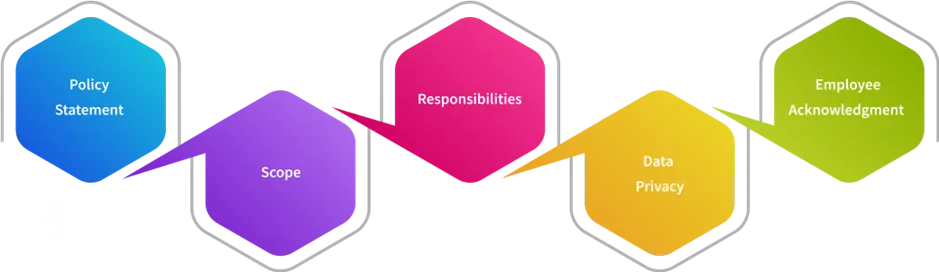
Policy Statement
A clear declaration of the company’s intent to use GPS tracking and the reasons behind its implementation.
Scope
Defines which individuals are affected by the policy: employees, contractors or anyone using company equipment.
Responsibilities
Defines roles and responsibilities for both employers and employees regarding GPS tracking procedures, including monitoring, consent, and compliance.
Data Privacy
Details how tracking data will be collected, used, stored, and protected. This section ensures alignment with applicable data protection laws and company privacy standards.
Employee Acknowledgment
A formal acknowledgment section where employees sign or digitally agree to the terms and conditions of the policy.
[Download the GPS Tracking Policy Template – Doc Format]
[Download the GPS Tracking Policy Template – PDF Format]
This template serves as a strong foundation to implement GPS tracking responsibly. Be sure to review it with your legal or HR team before sharing it with your employees.
Common Mistakes to Avoid
Using GPS tracking at work can make both the employees and the business more productive and secure if it is done properly. Many companies encounter legal or trust issues with employees because they miss important details in policies. Avoid the following mistakes to guarantee your GPS strategy is legal and gaining employee trust:
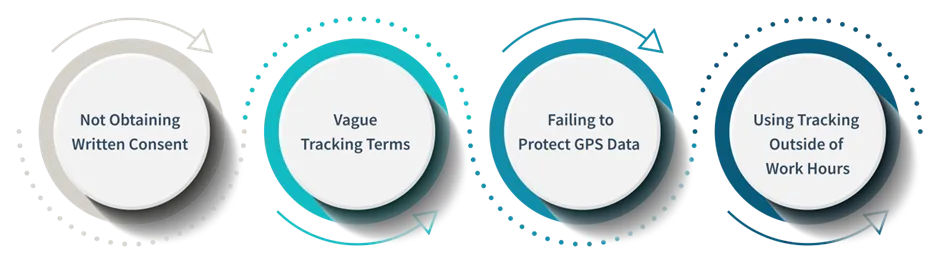
Not Obtaining Written Consent
One of the biggest legal mistakes is tracking employees without their informed and documented consent. Always secure written acknowledgment before activating GPS tracking, and ensure the purpose is clearly explained in the policy.
Vague or Overly Intrusive Tracking Terms
Ambiguity leads to distrust. Policies that lack specific boundaries such as when and where tracking is allowed can be perceived as invasive. Avoid tracking during off-hours or in non-work-related contexts unless there’s a valid legal or safety justification.
Failing to Protect GPS Data
Details about locations can be sensitive. Not handling GPS data correctly can result in major data breaches or legal issues. Ensure that systems have strong access rules, are fully encrypted, and data is stored securely.
Using Tracking Outside of Work Hours
Tracking of employees after work, except for strong reasons, is both wrong and unsafe. In the policy, explain that GPS tracking is only allowed during specific work activities or during work hours, to ensure employees respect their privacy.
Best Practices for Implementing GPS Tracking at Work
Setting up successful GPS tracking goes further than device installation; it means having a system that is legal, clear and trusted by your team. Here are some practices to help your business introduce GPS tracking properly and efficiently:
Communicate the Policy Clearly and Early
Explain the reason you are using GPS tracking such as to ensure safety, improve efficiency or make operations run more smoothly. Provide the policy in advance, allow employees to ask questions and ensure your answers are in line with the law and protect their privacy.
Provide Employee Training
Everyone using the tracking system needs to know how it operates and what they are responsible for. Give them a brief explanation or guidelines that explain the policy, the tools they are using, when tracking takes place and how the data is managed. It helps everyone understand more clearly and avoids confusion.
Set Clear Expectations
Set limits: What actions will be measured? What equipment is required to use? Are employees only tracked when they are working? Employees should be aware of what information is tracked and what isn’t. Being specific cuts down on the possibility of misunderstanding and risk.
Use Transparent and Ethical Technology
Choose tracking solutions that allow employees to see what data is being collected. Avoid stealth tracking or any technology that could be viewed as invasive. Transparency fosters trust and protects your organization from legal challenges.
Regularly Review and Update the Policy
As technology and laws evolve, your policy should too. Conduct periodic reviews, at least annually to ensure compliance with local regulations and to update terms, technology, or procedures. Encourage employee feedback to continuously improve the policy.
Conclusion
Since remote jobs and mobile teams are the new norm, GPS tracking becomes a key strategy. It ensures your business is legally protected and supports efficient operations, responsibility and trust. Implementing clear and legal guidelines for tracking employees helps businesses protect what is best for them and their employees.
Do you want to implement your own policy? Use our free, customizable GPS Tracking Policy Template to help your business follow rules and build a transparent and respectful environment.
Want a GPS tracking solution that respect team's privacy?
Start using Time Champ to balance transparency, productivity, and employee trust!

Chetana Choudary


Table of Content
-
 What is a GPS Tracking Policy?
-
Why Businesses Need an Employee GPS Tracking Policy
-
Key Elements of a GPS Tracking Policy
-
Free GPS Tracking Policy Template (Downloadable)
-
Common Mistakes to Avoid
-
Best Practices for Implementing GPS Tracking at Work
-
Conclusion
Related Blogs

Struggling to monitor your field teams? Here's how to track employee location with smart, proven methods that boost visibility, accuracy, and control.
Thasleem Shaik | 24 july 2025
GPS location tracking apps help monitor employee movement, boost team accountability, and support real-time workforce coordination with ease.
Thasleem Shaik | 24 july 2025
Stay informed on employee GPS tracking laws and policies, including state regulations, device compliance rules, and how to create a legal tracking policy.
Thasleem Shaik | 09 October 2025
Unlock how location intelligence transforms employee tracking, hybrid work management, and field team visibility with smart data-driven tools like Time Champ.
Chethana | 24 july 2025
Simplify team management with smart employee geofencing. Track real-time attendance, boost accountability, and reduce time theft effortlessly.
Guna Lakshmi | 24 july 2025
Master how to manage field sales team using smarttools, clear roles, and proven strategies to boost efficiency, align goals,and streamline communication.
Guna Lakshmi | 24 july 2025


 4.7/5 avg.
Ready to Manage Your Workforce Smarter?
Join our family of 1500+ companies using smart insights to redefine workforces!

Free Trial
No Credit Card Required