Embrace a Skill-Based Workforce: A Step-by-Step HR Guide
Embrace a skill-based workforce with practical HR strategies for skills-based hiring, workforce planning, skills assessment, and employee development.
You may struggle to place the right employees in the right roles as business needs and skill requirements change. Traditional job titles can also make it harder to spot valuable skills that employees could apply across projects and roles. Embrace a skill-based workforce to focus on the skills and capabilities your employees bring to the organization. This approach helps you align talent with business needs, support internal mobility, and plan your workforce more effectively.
In this guide, you’ll understand the benefits, challenges, and practical steps for building a skill-based workforce. You’ll also learn how technology can support skills-based workforce planning.
What Is a Skill-Based Workforce?
A skill-based workforce is a workplace model that organizes hiring, roles, and career development around employees’ skills and capabilities. It enables organizations to match talent with tasks, projects, and business needs based on relevant competencies, while supporting skills-based hiring, internal mobility, workforce planning, and continuous employee development.
Benefits of Adopting a Skill-Based Workforce Model
A skill-based workforce helps you move beyond fixed job descriptions and make better use of the capabilities already available across the organization. It can support better talent allocation, workforce flexibility, internal mobility, employee development, and alignment with changing business needs.
1. Improves Workforce Planning
Skills-based planning gives you a clearer view of the capabilities available across your workforce. You can compare current skills with future business needs, identify gaps, and plan hiring or development around those requirements.
2. Helps Identify Skill Gaps
A skills-focused workforce makes it easier to compare the skills you have with the skills your organization needs. This helps you identify critical gaps early and decide whether to hire, reskill, or upskill employees to address them.
3. Supports Skills-Based Hiring
Skills-based hiring helps you focus on what candidates can do without relying only on degrees, job titles, or previous job histories. This can broaden your talent pool and help you match candidates with the capabilities required for specific roles.
4. Improves Internal Mobility
A clear view of employee skills can help you identify people who have capabilities suited to different roles, projects, or assignments. This creates more opportunities to move talent internally and apply existing skills where they can add value.
5. Strengthens Upskilling and Reskilling
Skill gaps can guide more targeted employee development. Without just providing the same training to everyone, you can focus learning opportunities on the capabilities employees need for their current roles or future responsibilities.
6. Improves Workforce Flexibility
Your business priorities can change quickly, creating new work and shifting skill requirements. A skills-based model makes it easier to redeploy employees according to their capabilities and respond to changing workforce needs.
7. Helps Allocate Talent More Effectively
When you know what skills employees possess, you can connect those capabilities with suitable projects and tasks. This can help reduce the gap between available talent and the work that needs to be completed.
What Are the Common Challenges of a Skill-Based Workforce
Building a skill-based workforce not only requires identifying the skills your organization needs. But you also need reliable skills information, employee participation, leadership support, and processes that connect skills with workforce decisions.
1. Lack of Accurate Skills Data
You may struggle to identify the workforce’s actual capabilities when employee skill information is incomplete or outdated. Create a centralized skills inventory and update employee profiles regularly to maintain a clearer view of available capabilities.
2. Difficulty Creating a Skills Taxonomy
Different teams may use different terms for similar skills, making workforce skills difficult to organize and compare. Create a clear skills taxonomy that groups relevant skills and defines proficiency levels across roles and teams.
3. Resistance to Changing Traditional Job Structures
You and the employees may be accustomed to traditional roles built around fixed job descriptions. Explain how a skills-based model can create clearer growth opportunities, and involve employees when defining skills, roles, and career pathways.
4. Outdated Employee Skill Profiles
Employee capabilities can change as people gain experience, complete training, or take on new responsibilities. Schedule regular skills assessments and encourage your employees to update their profiles as their capabilities develop.
5. Limited Internal Mobility
Employees may have transferable skills but lack clear opportunities to apply them in different roles or projects. Create internal mobility pathways that connect employee capabilities with suitable assignments, vacancies, and development opportunities.
6. Difficulty Integrating Skills Data with Workforce Planning
Skills information becomes less useful when it remains separate from workforce planning processes. Connect skills data with hiring, resource allocation, project planning, and future workforce requirements to make more informed talent decisions.
7. Lack of Leadership Alignment
A skill-based workforce can lose momentum when you have different expectations about how skills should influence hiring, development, and workforce planning. Set clear goals, establish shared responsibilities, and ensure you support the skills strategy across the organization.
How to Build a Skill-Based Workforce in 8 Steps
Building a skill-based workforce starts with knowing which capabilities your business needs and where those skills currently exist. Follow these steps to connect skills with hiring, employee development, internal mobility, and workforce planning.
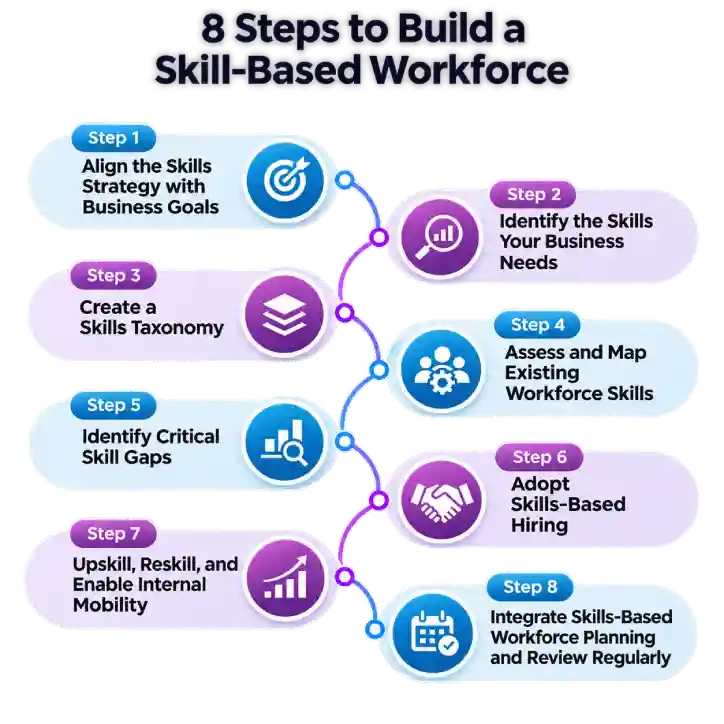
Step 1: Align the Skills Strategy with Business Goals
Start by identifying your organization’s current priorities and future direction. Determine which skills are essential to achieving those goals, then make them the foundation of your workforce strategy.
Step 2: Identify the Skills Your Business Needs
List the technical, functional, and soft skills required across your teams and roles. Consider upcoming projects, changing customer needs, new technologies, and future business plans when defining these requirements.

Did You Know?
According to SHRM's Talent Trends research, 28% of organizations now require new skills for full-time roles, and 47% are updating existing roles to include those skills,
Step 3: Create a Skills Taxonomy
Develop a structured skills taxonomy that gives your organization a common language for describing capabilities. Group related skills and define clear proficiency levels so you can assess, compare, and develop them consistently.
Step 4: Assess and Map Existing Workforce Skills
Build an accurate picture of the skills already available within your workforce. Use employee assessments, manager feedback, certifications, experience, and work history to map capabilities and proficiency levels across teams.
Step 5: Identify Critical Skill Gaps
Compare the skills you currently have with the capabilities your business requires. Prioritize the gaps that could affect important projects or future goals, then determine whether hiring, upskilling, reskilling, or internal mobility can address them.
Step 6: Adopt Skills-Based Hiring
Build job requirements around the skills needed to perform the work. Assess candidates against relevant capabilities and transferable skills without relying solely on degrees, previous job titles, or conventional qualifications.
Step 7: Upskill, Reskill, and Enable Internal Mobility
Use identified skill gaps to create targeted development opportunities for your employees. Provide training and career pathways that help people build relevant capabilities and move into roles or projects that match their skills.
Step 8: Integrate Skills-Based Workforce Planning and Review Regularly
Bring skills information into your workforce planning process to anticipate future capability needs. Review employee skills, emerging requirements, and critical gaps regularly so you can adjust hiring, development, and talent allocation as business needs change.
Finding it difficult to align employee capabilities with changing business needs?
Time Champ helps you track workforce activity, workload, and capacity for smarter planning decisions.
How Technology Supports a Skill-Based Workforce
Technology can make a skill-based workforce easier to manage by bringing workforce information into one place. It helps you connect employee capabilities with business needs, monitor work patterns, identify gaps, and make better workforce planning decisions.
Build a Clear View of Workforce Capabilities
Technology can centralize employee skills, experience, certifications, and proficiency levels. This gives you a more current view of available capabilities across teams and helps you identify skills that may otherwise remain overlooked.
Identify and Address Skill Gaps
Skills platforms can compare existing workforce capabilities with the skills required for current or future roles. You can use these insights to prioritize hiring, training, reskilling, or internal mobility based on specific workforce needs.
Match Skills with Projects and Roles
Technology can help connect employee capabilities with suitable projects, tasks, and roles. This makes it easier to use existing talent effectively and identify employees who can take on new responsibilities.
Support Skills-Based Workforce Planning
Workforce planning tools can combine skills, capacity, workload, and business requirements to support future talent decisions. You can use these insights to anticipate capability needs and plan hiring or development before critical gaps affect operations.
Track Workforce Productivity and Work Patterns
Workforce intelligence tools can provide visibility into time, activity, workload, and productivity patterns. These insights can help you understand how employees spend their working time and identify areas where resources or processes may need adjustment.
Use Time Champ to Improve Workforce Visibility and Planning
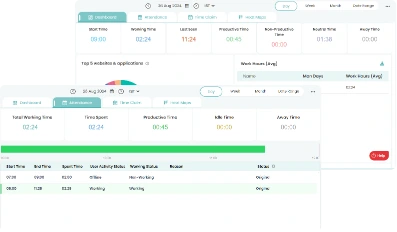
Time Champ is an employee monitoring software that provides workforce visibility across time, attendance, activity, productivity, workload, and project work. You can use these insights to understand workforce capacity, monitor work patterns, identify workload imbalances, and support skills-based workforce planning.
It also helps connect employee activity and project work with broader workforce decisions. This gives you useful operational context when allocating resources, reviewing capacity, and planning future workforce requirements.
Struggling to connect workforce capacity, workload, and employee performance?
Time Champ gives you clear workforce insights to plan resources and allocate talent effectively.
Conclusion
A skill-based workforce helps you align employee capabilities with changing business needs, strengthen talent allocation, and plan for future skill requirements. Embrace a skill-based workforce by assessing existing capabilities, addressing critical gaps, and connecting skills with hiring and development. Start building your skills strategy today and turn workforce capabilities into stronger business outcomes.

Anjali

Table of Content
 What Is a Skill-Based Workforce?
- Benefits of Adopting a Skill-Based Workforce Model
- What Are the Common Challenges of a Skill-Based Workforce
- How to Build a Skill-Based Workforce in 8 Steps
- How Technology Supports a Skill-Based Workforce
- Conclusion
Related Blogs

Learn what talent strategy is in workforce intelligence, how to create, implement & manage it effectively for a future-ready talent workforce.
Chethana Choudary | Feb 11, 2026
Discover 10 workforce planning models every HR professional should know to align talent with business goals, improve efficiency, and plan for the future.
Thasleem Shaik | Sep 30, 2025
Discover strategic workforce planning: definition, process, tools, and templates. Align talent with business goals and prepare your workforce for the future.
Shabana Shaik | Sep 16, 2025
Discover how employee productivity tracking builds accountability, drives ownership, and turns daily activity into measurable team performance.
Guna Lakshmi | May 01, 2026
Discover how workforce intelligence improves workload distribution, balances team capacity, prevents burnout & how to manage it with data effectively.
Tarun Kumar | Feb 11, 2026
Workforce productivity analytics turns daily work data into clear decisions. Learn the key metrics, monitoring signals, and AI tools that improve team output.
Thasleem Shaik | Apr 21, 2026


 4.7/5 avg.
Ready to Manage Your Workforce Smarter?
Join our family of 1500+ companies using smart insights to redefine workforces!

Free Trial
No Credit Card Required