15 Advantages and Disadvantages of Working from Home
Explore 15 advantages and disadvantages of working from home in 2026, with the latest insights, practical solutions, and strategies for remote workers.

Working from home is no longer just a pandemic trend, it's a permanent part of how millions of people work. In fact, nearly 22% of U.S. employees still work from home at least part of the time, showing that remote and hybrid work remain a preferred choice for many professionals despite return-to-office policies.
But is working from home really the best option? While the perks of remote work are undeniable, it also has a few disadvantages that can affect productivity and well-being.
In this blog, I'll explain 15 advantages and disadvantages of working from home, along with practical solutions to help you overcome common challenges and make the most of remote work.
What are the Advantages of Working from Home?
Working from home offers far more than just the convenience of skipping the daily commute.
Here are the key advantages of working from home in 2026:
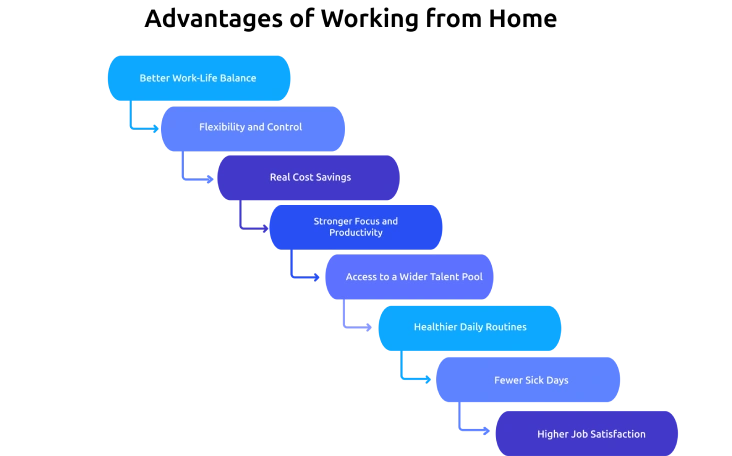
1. Better Work-Life Balance
Remote work eliminates daily commuting, giving employees more time for family, personal commitments, exercise, and rest. Research shows employees save around 72 minutes per day by avoiding the commute, helping them maintain a healthier work-life balance and reducing stress.
2. Flexibility and Control
Remote work allows employees to manage their workday more easily. This flexibility often helps them stay motivated, work better, and get more done.
3. Real Cost Savings
Working from home helps organizations reduce spending on office space, utilities, maintenance, and workplace facilities. Employees also benefit from lower commuting, parking, meal, and work-related expenses.
4. Stronger Focus and Productivity
With fewer workplace interruptions, many employees are able to spend more time on focused work. A well-known BBC study found remote employees were about 13% more productive than their office-based counterparts.
5. Access to a Wider Talent Pool
Remote work removes geographical barriers, allowing businesses to hire skilled professionals from virtually anywhere while giving job seekers access to more employment opportunities.
6. Healthier Daily Routines
Flexible schedules make it easier for employees to maintain healthy routines, including preparing nutritious meals, exercising regularly, taking breaks, and managing their overall well-being.
7. Fewer Sick Days
Employees working from home are generally exposed to fewer seasonal illnesses, which can reduce sick leave and improve business continuity. Minor health issues may also be managed without requiring a full day away from work.
8. Higher Job Satisfaction
Organizations that offer flexible work arrangements often experience higher employee satisfaction, stronger morale, and better long-term retention, helping reduce hiring and replacement costs.
What are the Disadvantages of Working from Home?
While remote work offers plenty of benefits, it also comes with challenges that can affect productivity, communication, and employee well-being.
Here are the key disadvantages of working from home in 2026:
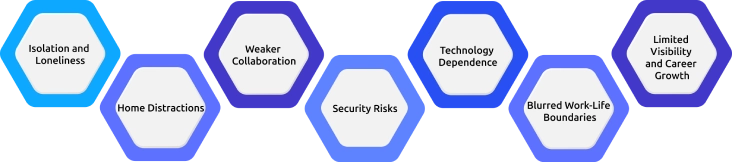
1. Isolation and Loneliness
Working remotely for extended periods can reduce social interaction and lead to feelings of loneliness. About 37% of employees say remote work has no noticeable impact on how connected they feel to their coworkers, which can negatively affect motivation, engagement, and mental well-being.
2. Home Distractions
Household responsibilities, family members, pets, and other distractions can affect employee focus. Without clear work routines and dedicated workspaces, maintaining consistent productivity becomes more difficult.
3. Weaker Collaboration
Remote teams miss many informal conversations and spontaneous brainstorming sessions that naturally happen in the office. While collaboration tools help, communication delays can slow decision-making and reduce creative problem-solving.
4. Security Risks
Remote work increases the use of home networks and personal devices, creating additional security risks. Employers must implement strong cybersecurity policies, secure access controls, and regular security awareness training.
5. Technology Dependence
Remote teams depend heavily on stable internet connections, collaboration platforms, and business applications. Technical issues, software outages, or hardware failures can quickly disrupt daily operations.
6. Blurred Work-Life Boundaries
Without clear boundaries between work and home, employees may work longer hours, increasing the risk of stress, fatigue, and burnout.
7. Limited Visibility and Career Growth
You may have fewer opportunities to observe employee contributions during day-to-day work. Without clear performance metrics and regular communication, employees may receive less recognition and fewer career development opportunities.
How to Fix the Biggest Disadvantages of Working from Home?
The challenges of remote work are real, but most of them can be solved with better systems and habits, not constant monitoring.
Since many remote work challenges are caused by a lack of structure, each one has a practical solution. Here are the most common disadvantages and how to overcome them:
| Disadvantage | Practical fix |
|---|---|
| Isolation and loneliness | Schedule regular team check-ins, virtual coffee chats, and informal conversations. Consistent connection works better than occasional long meetings. |
| Home distractions | Create a fixed work schedule, set up a dedicated workspace, and define focus hours to minimize interruptions. |
| Weaker collaboration | Use shared documents, purposeful meetings, and overlapping work hours to stay connected and aligned. |
| Security risks | Use company-approved devices, VPNs, multi-factor authentication (MFA), and regular security training to protect sensitive information. |
| Blurred work-life boundaries | Disconnect after working hours and create a culture that respects personal time. |
| Limited visibility | Focus on clear goals, outcomes, and transparent communication rather than constant activity tracking. |
Conclusion
Working from home offers flexibility, better work-life balance, and higher productivity, but it also brings challenges like isolation, distractions, and communication gaps. The good news is that most of these issues can be managed with clear goals and effective collaboration. The key is to strike a balance that keeps remote work productive while supporting long-term success.

Jahnavi Pulluri

Table of Content
 What are the Advantages of Working from Home?
- What are the Disadvantages of Working from Home?
- How to Fix the Biggest Disadvantages of Working from Home?
- Conclusion
Related Blogs
Discover how hybrid remote work blends flexibility with productivity. And explore key benefits, challenges, and tips for managing a successful hybrid workplace.
Sai Keerthi Uppala | Oct 25, 2024
Learn what a hybrid work policy is, see the 9 essential components to include, and download, edit, and use your free hybrid-work-policy-template.docx.
Guna Lakshmi | Jun 13, 2026
Balance flexibility, productivity, and collaboration with hybrid work. Discover key benefits, common challenges, and proven solutions for team success.
Anjali | Jun 22, 2026
Hybrid work tax implications can affect payroll, tax residency, employer compliance, and multi-state obligations. Get key insights and risks in one guide.
Thasleem Shaik | Jun 11, 2026
Compare hybrid and remote work models to determine which improves your team's productivity, collaboration, flexibility, and long-term business performance.
Anjali | Jun 16, 2026
Why remote work is becoming more popular in the last few years? Check out our 4 reasons companies are using remote work.
Shabana Shaik | Mar 14, 2025


 4.7/5 avg.
Ready to Manage Your Workforce Smarter?
Join our family of 1500+ companies using smart insights to redefine workforces!

Free Trial
No Credit Card Required