What Is Outsourcing? Types, Benefits, and Top Companies
Reduce costs, access specialized talent, and improve efficiency with outsourcing. Compare its types, benefits, risks, and the top outsourcing companies.

Running every business function in-house can increase costs, stretch internal teams, and slow your growth. You may struggle to balance quality, efficiency, and scalability as your business expands. This is where many businesses start looking for smarter ways to delegate non-core tasks, reduce operational pressure, and improve overall efficiency through outsourcing.
Here, you’ll understand what outsourcing is, how it works, the different types of outsourcing services, and the key benefits and risks to consider. You'll also discover the top outsourcing companies in the world and practical tips for choosing the right outsourcing partner for your business.
What Is Outsourcing?
Outsourcing is the process of engaging an external third-party company or specialized provider to manage selected business functions or services. The main goal is to reduce operational costs, access specialized expertise, improve efficiency, and focus more on strategic activities that drive long-term growth.
Different Types of Outsourcing Services
Outsourcing services can be categorized based on where the service provider is located and the business function being outsourced. Understanding these types helps you choose the right outsourcing model based on your budget, operational needs, and long-term goals.
Types of Outsourcing by Location
1. Onshore Outsourcing
Working with service providers within the same country allows you to maintain seamless communication, align with local regulations, and avoid cultural or language barriers. This approach is ideal for organizations that require close collaboration and real-time coordination.
2. Nearshore Outsourcing
Partnering with providers in nearby or neighboring countries offers a balance between cost savings and operational efficiency. Similar time zones and cultural alignment make collaboration smoother while still reducing expenses compared to domestic options.
3. Offshore Outsourcing
Engaging service providers in distant countries helps you significantly reduce operational costs while gaining access to a broader talent pool. It also enables round-the-clock productivity by leveraging different time zones.
Types of Outsourcing by Business Function
1. Business Process Outsourcing (BPO)
Handling routine and repetitive business tasks such as customer support, payroll processing, data entry, and administrative operations through external providers helps to streamline workflows. This approach allows you to focus more on core activities while improving overall efficiency.

Did you Know?
According to an Information Services Group (ISG) study, organizations achieved average cost savings of more than 15% and improved quality performance by 11% through business process outsourcing.
2. IT Outsourcing
Accessing external expertise for technical services such as software development, cybersecurity, cloud management, and infrastructure maintenance helps you stay competitive. It also reduces the need to build and maintain large in-house IT teams.
3. Human Resources (HR) Outsourcing
Managing recruitment, onboarding, payroll, compliance, and employee-related tasks through external providers improves operational efficiency. It also allows internal teams to concentrate on strategic workforce planning and employee engagement.
4. Knowledge Process Outsourcing (KPO)
Leveraging external specialists for high-value, knowledge-driven tasks such as market research, financial analysis, legal services, and consulting enhances your decision-making. This approach provides access to advanced expertise that may not be available internally.
5. Finance and Accounting Outsourcing
Overseeing financial operations such as bookkeeping, tax preparation, and financial reporting through external professionals ensures accuracy and compliance. It also reduces administrative workload and helps you maintain better financial control.
6. Customer Support Outsourcing
Delivering customer assistance through external teams across channels like phone, email, and chat improves service quality and responsiveness. It also enables you to provide support across multiple time zones without increasing internal resources.
7. Manufacturing Outsourcing
Partnering with external manufacturers for production, assembly, or packaging helps to scale operations efficiently. It also allows you to optimize production costs without investing heavily in infrastructure.
How Does Outsourcing Work?
A successful outsourcing strategy involves more than hiring an external service provider. Following a structured process helps you choose the right partner, define clear expectations, and maintain quality, accountability, and business continuity throughout the engagement.

Step 1: Assess Your Business Needs
Start by evaluating your business operations to determine which tasks or processes can be handled externally. Focus on repetitive, specialized, or resource-intensive functions that consume significant time or require expertise that your internal team may not have.
Step 2: Choose the Right Partner
Research potential outsourcing providers based on their industry experience, service capabilities, reputation, pricing, security standards, and client reviews. Compare multiple vendors and choose a partner that aligns with your business goals, budget, and long-term requirements.
Step 3: Set Clear Service Agreements
Create a detailed contract that clearly outlines the scope of work, responsibilities, timelines, performance metrics, security requirements, communication processes, and pricing terms. Establishing a well-defined Service Level Agreement (SLA) helps prevent misunderstandings and ensures accountability from the beginning.
Step 4: Transfer Work Smoothly
Transfer the selected business functions through a structured onboarding process once the agreement is finalized. Provide the necessary documentation, system access, training, workflows, and communication guidelines to help the outsourcing team begin working efficiently and maintain service continuity.
Step 5: Manage & Monitor Performance
Monitor performance against the agreed KPIs and SLAs using reports, review meetings, and performance evaluations regularly. Share constructive feedback, resolve issues promptly, and maintain open communication to build a productive, long-term outsourcing relationship.
Not sure if your outsourced teams are working efficiently?
Time Champ gives you complete visibility into productivity, projects, and workforce performance.
What are the Key Benefits of Outsourcing
Outsourcing can help your business operate more efficiently while giving internal teams the flexibility to focus on strategic priorities. When implemented with the right partner and a clear plan, it delivers both immediate operational improvements and long-term business value.

Reduce Operating Costs
Outsourcing helps you lower expenses associated with hiring, training, infrastructure, equipment, and employee benefits. Paying only for the services you need helps to manage budgets more effectively and improve overall profitability.
Access Specialized Expertise
Outsourcing gives you access to experienced professionals with industry-specific knowledge and technical skills. This enables your business to complete complex projects faster without investing significant time in recruiting or upskilling internal employees.
Focus on Core Business Activities
Delegating routine or non-core tasks allows your internal teams to concentrate on strategic initiatives, innovation, customer relationships, and business growth. This improves productivity while ensuring critical business functions receive greater attention.
Scale Your Business Faster
Outsourcing makes it easier to expand or reduce operations based on changing business needs. Whether you're launching a new product, entering new markets, or managing seasonal demand, you can quickly adjust resources without major operational disruptions.
Improve Operational Efficiency
Experienced outsourcing providers follow established processes, use advanced technologies, and maintain dedicated teams to deliver work efficiently. This helps you streamline operations, reduce turnaround times, and maintain consistent service quality across business functions.
Improve Business Continuity
Reliable outsourcing partners provide backup resources, flexible staffing, and ongoing operational support to keep essential business functions running smoothly. This helps you minimize disruptions caused by employee turnover, unexpected workload increases, or business interruptions.
Want to dive deeper into the benefits of outsourcing?
Common Risks of Outsourcing and How to Avoid Them
Outsourcing offers significant business advantages, but it also comes with challenges that require careful planning and oversight. Identifying these risks early and taking preventive measures helps you build stronger outsourcing partnerships and achieve better business outcomes.
Protect Sensitive Business Data
When outsourcing, confidential business and customer information may be shared with external providers. Choose vendors with strong security standards, sign non-disclosure agreements (NDAs), and ensure compliance with relevant data protection regulations to minimize security risks.
Overcome Communication Gaps
Differences in language, culture, or time zones can lead to misunderstandings and project delays. Establish clear communication channels, schedule regular meetings, and define expectations from the beginning to keep everyone aligned.
Keep Costs Under Control
Unexpected expenses can arise from scope changes, additional service requests, or unclear contract terms. Define project requirements upfront, review pricing carefully, and monitor costs throughout the engagement to avoid budget overruns.
Secure Intellectual Property
Sharing proprietary information with external providers may expose your business to intellectual property risks. Protect your assets with legally binding contracts, confidentiality agreements, and controlled access to sensitive files and systems.
Maintain Operational Control
Delegating business functions should not reduce your visibility into daily operations. Set measurable KPIs, review performance regularly, and maintain consistent communication to ensure outsourced teams remain aligned with your business objectives.
Top Outsourcing Companies in the World (2026)
The best outsourcing company depends on the services your business needs, industry requirements, and long-term goals. Below are some of the leading outsourcing companies across IT, business process management, customer experience, HR, finance, and analytics.
1. Information Technology & Software Outsourcing
Tata Consultancy Services (TCS)
TCS is one of the world’s largest IT outsourcing companies, serving businesses across banking, healthcare, manufacturing, retail, and telecommunications. It helps you modernize the technology infrastructure while improving operational efficiency.
Key Services:
- Software development
- Cloud and infrastructure management
- Cybersecurity
- Business process services
- AI and data analytics
Best For: Large enterprises looking for end-to-end IT outsourcing and digital transformation.
Accenture
Accenture is a global leader in consulting, technology, and managed services. The company supports businesses with digital transformation, cloud migration, AI implementation, cybersecurity, and business process outsourcing across more than 120 countries.
Key Services:
- IT outsourcing
- Business consulting
- Cloud services
- Artificial Intelligence
- Cybersecurity
Best For: Organizations seeking large-scale technology and business transformation.
2. Business Process Outsourcing (BPO) & Customer Experience (CX)
Teleperformance
Teleperformance is one of the world's largest customer experience outsourcing companies. It manages customer support, technical assistance, content moderation, and digital customer engagement for businesses across various industries.
Key Services:
- Customer support
- Technical support
- Content moderation
- Back-office services
- Digital customer experience
Best For: Businesses looking to scale multilingual customer support operations.
Concentrix
Concentrix specializes in customer experience management and business process outsourcing. It combines technology, automation, and customer support services to help you improve customer satisfaction and operational efficiency.
Key Services:
- Customer experience management
- Technical support
- Sales support
- Business process outsourcing
- Digital operations
Best For: Organizations focused on improving customer engagement and support quality.
3. Industry-Specific Operations (HR, Finance & Analytics)
Genpact
Genpact helps businesses improve operational efficiency through finance, accounting, procurement, supply chain, and business process management services. Its AI-powered solutions help you streamline complex business operations.
Key Services:
- Finance and accounting
- Procurement
- Supply chain management
- Business process management
- AI-powered operations
Best For: Enterprises seeking finance and operational process optimization.
WNS Global Services
WNS Global Services provides business process management solutions across finance, HR, procurement, customer operations, travel, healthcare, and insurance. The company focuses on improving efficiency through process automation and domain expertise.
Key Services:
- Finance and accounting
- HR outsourcing
- Procurement services
- Customer operations
- Business process management
Best For: Businesses seeking industry-specific outsourcing and end-to-end process management.
How Time Champ Helps Businesses Manage Outsourced Teams Efficiently
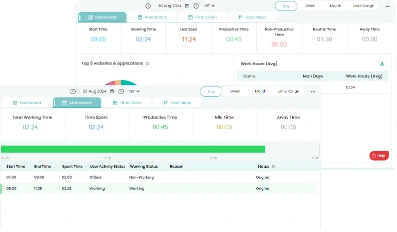
Managing outsourced teams without clear visibility makes it difficult to track performance and ensure consistent productivity. Time Champ is a smart employee monitoring software with built-in workforce management capabilities that gives you complete visibility into outsourced, remote, and hybrid teams. It helps you track work, measure performance, and manage operations efficiently.
Key benefits of using Time Champ for outsourced teams:
- Monitor Productivity in Real Time: Tracks employee activity and work patterns, helping you ensure consistent productivity.
- Track Time Across Projects: Accurately records work hours across tasks to improve billing and resource planning.
- Measure Performance with Workforce Analytics: Provides data insights to help you evaluate performance and make informed business decisions.
- Improve Accountability & Transparency: Offers complete visibility into work progress, helping you build team accountability and keep outsourced teams aligned with business goals.
- Manage Distributed Teams from One Platform: Simplifies team management by tracking productivity, attendance, projects, and performance from one centralized dashboard.
Still finding it difficult to manage outsourced teams with confidence?
Time Champ helps you monitor work, track time, and manage outsourced teams with ease.
Conclusion
Choosing the right outsourcing strategy can help your business reduce costs, access specialized expertise, improve efficiency, and scale operations with confidence. However, long-term success depends on selecting the right outsourcing partner, setting clear expectations, and maintaining visibility into outsourced work. Understanding what outsourcing is and how it fits your business objectives allows you to make informed decisions that support sustainable growth. Combining reliable outsourcing providers with effective workforce management tools helps improve collaboration, strengthen accountability, and ensure your outsourced teams consistently deliver high-quality results.
Table of Content
 What Is Outsourcing?
- Different Types of Outsourcing Services
- How Does Outsourcing Work?
- What are the Key Benefits of Outsourcing
- Common Risks of Outsourcing and How to Avoid Them
- Top Outsourcing Companies in the World (2026)
- How Time Champ Helps Businesses Manage Outsourced Teams Efficiently
- Conclusion
Related Blogs
![What is Workforce Intelligence? A Complete Guide [2026]](https://www.timechamp.io/images/workforce-intelligence-feature-image.webp)
Discover what workforce intelligence is, why it's critical, real examples, implementation steps, key benefits, challenges & how AI transforms the future.
Guna Lakshmi | Feb 11, 2026
Understand operational intelligence: definition, real examples, benefits, challenges, how it differs from business intelligence & helps scale businesses.
Anjali | Feb 11, 2026
See how employee monitoring strengthens accountability, improves transparency, and helps teams perform better without crossing into workplace surveillance.
Anjali | Jul 01, 2026
Explore top BPO companies offering tailored solutions. Find the right partner to boost efficiency, cut costs, and drive your business growth!
Mounika Sai | Nov 24, 2023
KPO (Knowledge Process Outsourcing) explained: what it is, real examples, the services involved, and how it cuts costs while adding expert skills. Start here.
Tarun Kumar Reddy | May 16, 2024
Discover the 18 global best call center outsourcing companies to optimize customer support. Choose from leading names for exceptional service and efficiency.
Mounika Sai | Nov 16, 2023


 4.7/5 avg.
Ready to Manage Your Workforce Smarter?
Join our family of 1500+ companies using smart insights to redefine workforces!

Free Trial
No Credit Card Required