Average Salary in Vietnam and Its Benefits for Outsourcing
"Explore Vietnam's average salary landscape. Gain insights into regional and industry variations for informed workforce planning and compensation strategies."

The average monthly wage in Vietnam is 10 million VND (about USD 420) in 2024, reflecting the country’s evolving economic landscape. Understanding how this figure varies across roles, industries, and cities is crucial for both employees and employers. Whether you’re planning a career move, negotiating a raise, or exploring investment opportunities, having a clear picture of salary trends can help you make informed decisions. In this blog, we’ll delve into the latest salary data, offering insights into what drives earnings in Vietnam and how you can leverage this information to align your career goals with financial growth.
What is the Average Salary in Vietnam?
Average Salary in Vietnam
The average monthly wage in Vietnam stood at 10 million VND (about USD 420) in 2024. The cities of Hanoi and Ho Chi Minh are paid relatively more on account of increasing demand and a living cost in these locations. Rural locations will have correspondingly lower wages, compatible with local conditions.
Median Salary in Vietnam
The median salary in Vietnam is about 14.9 million VND or USD 600 per month. This is the middle of the salary range, and half of the workers will earn more than that and half will earn less. It gives a more realistic view of the usual earnings in the country, free from very high or very low salaries.
Minimum Wage in Vietnam
The Vietnamese government frequently updates and modifies the minimum wage so that workers will have an opportunity to meet their most basic needs. The country’s wages are divided into four regions and are according to the local cost of living with higher urban centers and less rural. As of July 1, 2024, Decree 74/2024/ND-CP increases minimum wage rates so workers can cope with high living expenses.
| Region | Minimum Monthly Salary | Minimum Hourly Salary | Key Cities |
|---|---|---|---|
| Region I | VND 4,960,000 | VND 23,800 | Hanoi, Ho Chi Minh City, Hai Phong, Bien Hoa, Thu Dau Mot, Vung Tau |
| Region II | VND 4,410,000 | VND 21,200 | Ha Long, Ninh Binh, Danang, Nha Trang, Hue, Da Lat, Can Tho, Rach Gia |
| Region III | VND 3,860,000 | VND 18,600 | Hai Duong, Quang Ninh, Lam Dong, Kon Tum, Ca Mau |
| Region IV | VND 3,450,000 | VND 16,600 | Rural areas and smaller towns |
This initiative falls in line with the broader effort of Vietnam to promote better living standards, fairer practices nationwide, and fair labor practices throughout the country. Furthermore, regular revisions help address economic changes and inflation, thereby keeping workers’ incomes sustainable.
How Do Vietnamese Salaries Vary Across Different Factors?
Salaries in Vietnam are affected by so many factors-education, experience, type of work, location, and profession. Knowing these factors can affect how well people can navigate salary expectations and the planning of careers.
Salaries Based on Education
Higher levels of education have a strong effect on earnings in Vietnam. More importantly, individuals holding a doctorate or master’s degree are drastically higher in earnings than those holding lower qualifications.
| Education Level | Average Annual Salary |
|---|---|
| Doctorate Degree | 583,387,031 VND |
| Master’s Degree | 512,237,224 VND |
| Bachelor’s Degree | 369,017,765 VND |
| Any College Degree | 287,680,703 VND |
| High School Diploma | 267,467,167 VND |
| Below High School | 116,245,080 VND |
Source: Averagesalarysurvey.com
Salaries Based on Experience
Salary increments for employees in Vietnam strongly follow experience years. The highest earner is above 20 years of experience, and the lowest is an entry-level employee. It strongly emphasizes the importance of experience in wage determination.
| Years of Experience | Average Annual Salary |
|---|---|
| 20+ | 604,037,493 VND |
| 16-20 | 704,001,363 VND |
| 12-16 | 600,059,175 VND |
| 8-12 | 564,438,279 VND |
| 4-8 | 412,549,306 VND |
| 2-4 | 263,005,931 VND |
| 1-2 | 178,495,413 VND |
| 0-1 | 139,517,092 VND |
Source: Averagesalarysurvey.com
Salaries Based on Work Type
Different work arrangements influence earnings. Independent and permanent employees are better paid than part-time and contract employees due to the stability and the extent of these positions.
| Work Type | Average Annual Salary |
|---|---|
| Self-Employed | 436,557,192 VND |
| Full-Time | 416,297,664 VND |
| Contract | 327,693,847 VND |
| Part-Time | 171,481,615 VND |
Source: Averagesalarysurvey.com
Salaries Based on City
Salaries differ by city in Vietnam. Urban cities such as Hanoi and Ho Chi Minh City tend to pay better than the smaller cities because the economic activity is higher, and so are the living costs.
| City | Average Annual Salary |
|---|---|
| Hanoi | 295,927,293 VND |
| Ho Chi Minh City | 281,614,084 VND |
| Haiphong | 254,739,112 VND |
Source: NICVN.com
Salaries Based on Profession
The profession is one of the most effective determinants of salary variations. Specializations attract better pay as observed from the high-demand areas for instance dentists, engineering, and technology professions.
| Professions | Average Annual Salary |
|---|---|
| Dentist | 775,633,674 VND |
| Human Resources Manager | 523,705,126 VND |
| JavaScript Developer | 516,559,063 VND |
| Electrical Engineer | 512,670,713 VND |
| Project Manager | 482,558,759 VND |
| Financial Analyst | 479,134,485 VND |
| Business Development Analyst | 450,939,128 VND |
Source: Salaryexpert.com
What is the Gender Pay Gap in Vietnam?
- Vietnam ranks 72nd in the 2024 World Economic Forum’s Global Gender Gap Report with a gender parity score of 71.5%. This surpasses both the global and regional averages for East Asia and the Pacific.
- Despite all the progress, the gender pay gap persisted. In 2021, women received average salaries that were 29% lower than their male counterparts; the gap is sharper among older workers and in agriculture.
- Vietnamese women have a continuing burden of household chores that hampers their ability to enter formal employment and consequently leads to a higher income disparity.
- The economic parity for women to men from 2023 to 2024 rose from 74.9% to 75.1%.
To address these issues, Vietnam has implemented initiatives aimed at:
- Increasing the role of women in the education and training processes.
- Encouraging the creation of businesses by women.
- Promoting equal opportunities for women to get into leadership positions.
How Often Do Employees in Vietnam Get a Salary Increment?
In Vietnam, salary increments on an annual basis are based on experience, industry standards, and company performance. The increment scale is not fixed; it increases when organizations are looking for ways through which they can motivate competent staff.
Increment Trends by Experience
In Vietnam, increments are driven highly by experience. It is a 5 to 10% annual raise for people who have experienced 2 to 5 years, while employees who have served for over 10 years receive high increments that fall between 15 and 20%, depending on the business or role. Highly experienced senior professionals and management roles would get more adjustment since they play a great role in business outputs.
Increment Trends by Industry
Salary growth trends vary between sectors. Generally, the increments offered would be higher, that is about 10-15% within industries such as technology, finance, and engineering due to constant demand for the relevant skill sets. The industry types such as manufacturing and retail, being relatively constraint-oriented in costs, often present lower increments at approximately 5-8%. Currently, high-growth sectors are IT and digital marketing. High salaries are paid in many such fields for talent acquisition and retention.
What Is the Cost of Living in Vietnam?
Living costs remain comparatively cheaper in Vietnam than in most countries despite the differences in region and personal demeanor. Here’s an overview of key expenses.
Housing
Rent is considered the highest expense. Average rents for a mid-range apartment range between $315-$615 per month, in bigger cities such as Hanoi and Ho Chi Minh City. For small towns or outer cities, the price of renting will go down to as little as $150-$250 per month.
Food
Dining out is relatively inexpensive. A street food meal costs between $2 and $5. A mid-range restaurant meal will cost $10-$20. It’s even cheaper to cook at home, especially if groceries are sourced from local markets.
Transportation
Public transport is very budget friendly. Local bus fare costs $0.30 – $0.50 when as for metro, a single ride would cost $0.50 -$1. Taxi-hailing services like Grab costs between $0.80-$1 per kilometer.
Utilities and Internet
Monthly utility costs (electricity, water, etc.) are about $50-$80 for small apartment working. Internet, almost ubiquitously accessible, is about $10 a month and that’s often included in your apartment rental agreement.
Health and Education
Healthcare is affordable and most of the expenses can be paid through insurance. Local schools will cost around $300 – $800 a year while international schools cost a minimum of $5,000 up to $20,000 annually.
Entertainment and Services
Movie tickets are said to cost $3 to $5 while personal service such as hair cutting costs $5 to $15. Luxury services are pricier but still cheaper than in Western countries.
Benefits of Outsourcing to Vietnam
Outsourcing to Vietnam has gained significant momentum recently because of its unique blend of affordability, skilled human resources, and business environment. Here’s an in-depth look at how businesses around the world make Vietnam a key outsourcing site.
Cost-Effective Solutions
Vietnam offers less costly labor compared to other known sourcing destinations like China and India. With average pay relatively much lower, any organization can save a big portion of the budget without undermining the quality. This alone places Vietnam as a strong preference for companies looking at reducing costs in software development, manufacturing, and even BPO.
Skilled and Young Workforce
With a workforce of over 70% under 35, the country is more youthful and tech-savvy, making it an ideal. Government investment in STEM (Science, technology, engineering, and mathematics) education produces the skilled professionals that support the country’s IT and software development industries. Companies such as IBM and Microsoft are looking for their next talent pool. Increased proficiency in the English language also increases this advantage with international clients.
Thriving Tech Industry
Vietnam’s tech sector is booming because of government support and private investments. Cities like Hanoi and Ho Chi Minh City are turning out to be the main hubs for innovation and startups. Tax incentives and a business-friendly policy attract people to invest in the IT and tech sectors. Since the country is focused on digital infrastructure, it brings modern technology and reliable connectivity together.
Diverse Outsourcing Options
Vietnam excels in the following outsourcing sectors.
- Manufacturing: Vietnam is home to a variety of electronic, textile, and furniture-making sectors.
- IT Services: The country provides various kinds of IT services starting from app development to AI solutions.
- Customer Support: Vietnam offers affordable customer support services due to the increasing BPO sector.
How Can Time Champ Optimize Outsourcing to Vietnam?
One such software that can play a very important role in the optimization of outsourcing operations in Vietnam is Time Champ – a leading productivity and employee monitoring software. The powerful features of this application will help businesses enhance efficiency while keeping things transparent and yielding better outcomes. Here’s how:
Seamless Communication and Collaboration
Time Champ ensures that each team is coordinated seamlessly by monitoring the flow of a project and creating effective communication. This eliminates delays and bridged gaps between time zones.
Enhanced Productivity Tracking
With detailed analytics and real-time monitoring, Time Champ measures employee productivity precisely for businesses to ensure outsourced teams can meet deadlines and maintain their high performance.
Cost and Resource Management
Time Champ’s all-inclusive reporting tools show the time spent on various tasks, which helps a business allocate its resources to reduce operational costs.
Transparency and Accountability
Time Champ builds trust through the visibility of outsourced projects so that companies can track work quality and ensure that the deliverables are met to the agreed standards.
With Time Champ in place, companies outsourcing to Vietnam can enhance the effectiveness of operations, achieve greater efficiency, and create close, transparent partnerships with their outsourced teams.
Boost Your Remote Teams’ Productivity with Time Champ!
Try Time Champ now for smarter tracking and better performance management.
Conclusion
Vietnam’s average salary levels provide strategic competitiveness for the benefit of businesses outsourcing at low costs without sacrificing quality. Along with a skilled workforce and rising infrastructure, Vietnam has become a preferable outsourcing destination for companies looking to outsource globally but want sustainability in service quality.

Thasleem Shaik

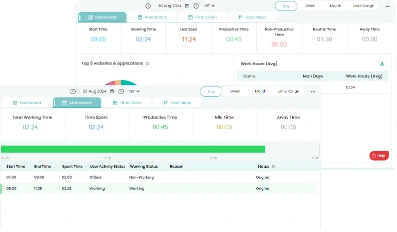
Table of Content
-
 What is the Average Salary in Vietnam?
-
How Do Vietnamese Salaries Vary Across Different Factors?
-
What is the Gender Pay Gap in Vietnam?
-
How Often Do Employees in Vietnam Get a Salary Increment?
-
What Is the Cost of Living in Vietnam?
-
Benefits of Outsourcing to Vietnam
-
How Can Time Champ Optimize Outsourcing to Vietnam?
-
Conclusion
Related Blogs

Discover The Average Salary in Bangladesh and outsourcing impact. Learn why it’s a rising player in global outsourcing.
Shabana Shaik | 25 February 2025
Discover the key factors influencing the average salary in India across industries, regions, and job levels, as well as insights
Mounika Sai | 10 January 2025
Explore the average salary in Ukraine, key trends, and expert tips to boost earnings across various sectors, helping you make
Thasleem Shaik | 2 January 2025
Explore the average salary in Finland, its impact on businesses, and how outsourcing can provide a cost-effective solution for growth
Thasleem Shaik | 2 January 2025
Explore the current Average Salary in the Philippines and gain insights into profitable outsourcing trends & discover wage statistics of
Sai Keerthi Uppala | 19 December 2024
Get a clear picture of the average salary in Dubai across various industries and job roles, based on experience, skills, and market demand.
Thasleem Shaik | 30 June 2025


 4.7/5 avg.
Ready to Manage Your Workforce Smarter?
Join our family of 1500+ companies using smart insights to redefine workforces!

Free Trial
No Credit Card Required