What Is a Swing Shift Schedule? A Complete Guide (2026)
Build a smarter swing shift schedule with work hours, schedule types, industries that use swing shifts, and step-by-step tips for effective shift management.

Running multiple shifts can quickly become difficult when your teams need coverage beyond regular business hours. Without a clear plan, you often face scheduling conflicts, uneven workloads, employee fatigue, and gaps in customer service. A swing shift schedule helps you bridge the gap between day and night shifts, ensuring smoother operations while maintaining productivity and workforce availability.
Want to know if a swing shift schedule (SSS) is the right fit for your business? This guide covers how it works, typical work hours, schedule types, the industries that use it, along with its benefits, challenges, and practical management tips.
What Is a Swing Shift?
A swing shift is a work schedule that covers the hours between the traditional day and night shifts, typically during the late afternoon and evening. It typically runs from 3:00 PM to 11:00 PM or 4:00 PM to 12:00 AM, helping you maintain continuous operations, handle peak workloads, and provide uninterrupted customer service.
What Are Typical Swing Shift Hours?
Swing shift hours usually begin in the late afternoon and continue into the evening or early night, bridging the gap between day and night shifts. While schedules vary by industry, the most common swing shift hours include:
| Swing Shift Type | Typical Hours |
|---|---|
| Standard Swing Shift | 3:00 PM - 11:00 PM |
| Evening Swing Shift | 4:00 PM - 12:00 AM |
| Late Swing Shift | 5:00 PM - 1:00 AM |
| Extended Swing Shift | 2:00 PM - 10:00 PM |
| Custom Business Shift | 1:00 PM - 9:00 PM or 6:00 PM - 2:00 AM |
The exact timing depends on factors such as operating hours, customer demand, shift overlap, and workforce requirements. You can customize swing shift hours to maintain continuous operations and ensure smooth transitions between day and night teams.
How Does a Swing Shift Work?
A swing shift works by covering the hours between the day and night shifts, ensuring business operations continue without interruption. Employees typically begin work in the late afternoon and finish around midnight, taking over responsibilities from the day team before handing them off to the night shift. Here's how it typically works:

1. Start with a Clear Shift Handover
Begin the swing shift by giving employees a clear update on completed work, pending tasks, customer requests, and any important changes. A structured handover helps your team start the shift with the right information and reduces confusion.
2. Cover Your Peak Business Hours
Use the swing shift to keep enough employees available during your busiest afternoon and evening hours. Whether you need customer support, production, or operational coverage, the shift helps you meet demand without overloading the day team.
3. Schedule an Overlap Between Shifts
Allow the swing shift to overlap with the day or night shift for a short period. This gives your teams time to share updates, clarify priorities, and complete a smooth transition before the next shift takes over.
4. End with a Proper Shift Handover
Before the swing shift ends, make sure employees pass unfinished work, important updates, and ongoing tasks to the night shift. A proper handover keeps work moving and prevents delays or missed responsibilities.
5. Choose a Schedule That Fits Your Business
Set fixed swing shifts if your workload stays consistent, or rotate employees between shifts when staffing needs change. Selecting the right schedule helps you maintain balanced workloads while ensuring continuous business coverage.
What are the Types of Swing Shift Schedule
Not every business operates on the same schedule, which is why a single swing shift pattern doesn't work for everyone. Choosing the right swing shift schedule software depends on your operating hours, staffing requirements, and workload. Below are the most common types and where each one works best.
1. 2-2-3 Swing Shift
How it Works:
Employees work 2 days on, 2 days off, 3 days on, followed by 2 days off, 2 days on, and 3 days off. This rotating pattern balances workdays and rest periods while ensuring continuous shift coverage.
Common Hours: Typically, 3:00 PM-3:00 AM or 7:00 AM-7:00 PM, depending on the shift rotation.
Best For: Manufacturing, healthcare, public safety, and other businesses that operate 24/7.
2. 12-Hour Swing Shift
How it Works:
Employees work 12-hour shifts, alternating between day and swing or swing and night shifts. Teams usually follow a fixed or rotating schedule to maintain round-the-clock operations.
Common Hours: 3:00 PM-3:00 AM, 4:00 PM-4:00 AM, or similar 12-hour schedules.
Best For: Manufacturing plants, hospitals, emergency services, and energy facilities.
3. 24/7 Swing Shift Rotation
How it Works:
Employees rotate through day, swing, and night shifts over a set schedule, ensuring every shift is fully staffed throughout the week.
Common Hours:
- Day: 7:00 AM - 3:00 PM
- Swing: 3:00 PM - 11:00 PM
- Night: 11:00 PM - 7:00 AM
Best For: Customer support centers, logistics, security services, utilities, and continuous production environments.
4. Split Swing Shift
How it Works:
Employees work two short shifts in a day with a long, unpaid break between them. This approach provides extra coverage during the busiest business hours.
Common Hours: 2:00 PM - 6:00 PM and 8:00 PM - 12:00 AM, though schedules vary by business.
Best For: Restaurants, hospitality, retail stores, transportation, and entertainment businesses.
5. Alternative Compressed Shifts
How it Works:
Employees work longer shifts over fewer days each week, allowing you to extend operating hours while giving employees additional days off.
Common Hours: Four 10-hour shifts (e.g., 2:00 PM - 12:00 AM) or other compressed schedules based on business needs.
Best For: Warehousing, field services, healthcare, construction, and businesses with fluctuating workloads.

Did You Know?
According to the U.S. Bureau of Labor Statistics, total factor productivity in the private nonfarm business sector increased by 0.8% in 2025, highlighting the importance of efficient workforce planning and labor utilization to sustain productivity gains.
Which Industries Use Swing Shifts?
Swing shifts are most common in industries that operate beyond standard business hours or require continuous staffing. They help you maintain productivity, cover peak evening demand, and ensure a smooth transition between day and night operations.
| Industry | Why They Use Swing Shifts | Common Swing Shift Hours |
|---|---|---|
| Healthcare | Provide continuous patient care, emergency services, and laboratory support. | 3:00 PM - 11:00 PM or 4:00 PM - 12:00 AM |
| Manufacturing | Keep production lines running, reduce downtime, and meet production targets. | 3:00 PM - 11:00 PM |
| Retail & Grocery | Handle evening shoppers, restock inventory, and support extended store hours. | 2:00 PM - 10:00 PM or 3:00 PM - 11:00 PM |
| Hospitality | Manage hotel check-ins, housekeeping, dining services, and guest requests during busy evening hours. | 4:00 PM - 12:00 AM |
| Logistics & Warehousing | Process incoming shipments, prepare outgoing orders, and support overnight deliveries. | 3:00 PM - 11:00 PM or 5:00 PM - 1:00 AM |
| Customer Support & Call Centers | Provide customer service across different time zones and extend support hours. | 2:00 PM - 10:00 PM or 4:00 PM - 12:00 AM |
| Transportation | Coordinate passenger services, freight movement, loading, and dispatch during peak evening hours. | 3:00 PM - 11:00 PM |
| Public Safety & Emergency Services | Ensure uninterrupted police, fire, and emergency response coverage. | 3:00 PM - 11:00 PM or rotating shifts |
| Security Services | Monitor facilities, manage access control, and respond to after-hours incidents. | 4:00 PM - 12:00 AM or 5:00 PM - 1:00 AM |
| Utilities & Energy | Maintain power, water, and utility services while responding to outages and system maintenance. | 3:00 PM - 11:00 PM or rotating shifts |
Pros and Cons of the Swing Shift Schedule
A swing shift schedule can improve business coverage and keep operations running during busy evening hours. However, it also brings challenges that can affect employees and day-to-day workforce management. Comparing its advantages and disadvantages will help you decide whether it's the right scheduling approach for your business.
| Pros | Cons |
|---|---|
| Extended Business Coverage- Keeps your business running beyond regular office hours, helping you serve customers and maintain operations during the evening. | Work-Life Balance Challenges- Evening shifts can reduce the time employees spend with family, friends, and personal activities. |
| Better Workload Distribution- Spreads work across multiple shifts, preventing your day team from becoming overloaded during peak hours. | Sleep and Fatigue Issues- Late working hours or rotating schedules may disrupt sleep patterns and lead to employee fatigue. |
| Improved Customer Service- Provides staff availability during busy afternoon and evening periods, reducing response times and improving customer satisfaction. | Hiring and Retention Difficulties- Recruiting and retaining employees willing to work evening shifts can be more challenging. |
| Flexible Schedule for Employees- Offers a later start time, making it suitable for employees with daytime commitments or personal responsibilities. | More Complex Scheduling- Managing shift rotations, overtime, and leave requests requires careful planning to maintain adequate coverage. |
| Smooth Shift Handover- Improves coordination between day and night teams, ensuring work continues without interruption. | Reduced Team Interaction- Employees on swing shifts may have fewer opportunities to collaborate with leadership and daytime colleagues. |
Finding it difficult to manage evening shift operations?
Time Champ helps you schedule smarter, monitor employees, and improve team productivity.
How to Manage a Swing Shift Schedule (Step by Step)
Managing a swing shift schedule requires more than assigning employees to evening hours. Following a structured process helps you maintain proper coverage, reduce scheduling conflicts, and keep your team productive throughout every shift.

1. Identify Your Coverage Requirements
Start by identifying when your business needs additional staff and which departments require evening coverage. Review customer demand, workload trends, and operating hours to determine the right number of employees for each swing shift.
2. Build a Balanced Shift Schedule
Create a schedule that balances workloads while giving employees enough time to rest between shifts. Consider employee availability, skills, leave requests, and labor regulations before publishing the schedule in advance.
3. Use a Shift Scheduling Tool
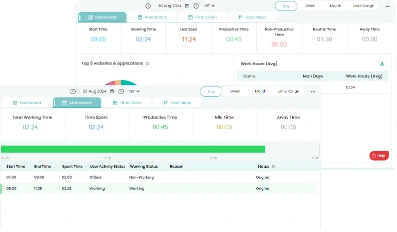
Managing swing shifts manually often leads to scheduling errors, last-minute changes, and poor visibility. Time Champ is an employee monitoring software that simplifies shift scheduling with centralized schedule management, attendance tracking, automated timesheets, leave management, productivity insights, and real-time workforce visibility. It helps you assign the right employees to every shift, monitor attendance and productivity in real time, reduce administrative effort, improve accountability, and keep your swing shift operations running smoothly.
4. Keep Shift Communication Consistent
Set a standard handover process for every shift to keep work moving without interruptions. Encourage employees to share task updates, pending work, and important announcements so the next team can begin with complete clarity.
5. Monitor Performance and Support Employee Well-Being
Track attendance, productivity, overtime, and employee workloads regularly to identify issues before they affect performance. Schedule adequate breaks, rotate shifts fairly, and gather employee feedback to reduce fatigue and maintain long-term engagement.
Still spending hours managing swing shifts manually?
Time Champ automates scheduling, tracks attendance, and gives you complete workforce visibility.
Conclusion
Choosing the right swing shift schedule can help you extend business hours, improve workforce coverage, and maintain consistent productivity without overburdening your employees. The key is to select a schedule that matches your operational needs while ensuring clear communication, balanced workloads, and employee well-being. Using the right workforce management tools also makes scheduling, attendance tracking, and performance monitoring much easier. With careful planning and the right approach, you can build an efficient shift system that supports your employees, keeps daily operations running smoothly, and delivers a better experience for teams and your customers.
Table of Content
 What Is a Swing Shift?
- What Are Typical Swing Shift Hours?
- How Does a Swing Shift Work?
- What are the Types of Swing Shift Schedule
- Which Industries Use Swing Shifts?
- Pros and Cons of the Swing Shift Schedule
- How to Manage a Swing Shift Schedule (Step by Step)
- Conclusion
Related Blogs
Learn what workforce scheduling is, why it matters, types, optimization tips, best practices for 2025, and how to choose the right system for your business.
Guna Lakshmi | Jun 27, 2026
Struggling with employee shift scheduling? Explore the best types, benefits, and strategies to streamline shifts, boost productivity, and keep your team happy!
Tarun Kumar Reddy | Mar 13, 2025
Explore shift monitoring system benefits, key features, and set up tips to improve scheduling, track shifts accurately, and manage teams more efficiently.
Anjali | May 01, 2026
Find the 10 best employee scheduling software for 2025. Compare features, pricing, pros & cons to boost productivity and manage teams better.
Chethana Choudary | Nov 14, 2025
Want a hassle-free way to track attendance? Explore the 21 top employee attendance management systems that make time tracking smart, and stress-free!
Jahnavi Pulluri | July 24, 2025
Discover what schedule adherence is, why it matters, how to calculate it, factors affecting it, common challenges, and proven ways to improve it effectively.
Thasleem Shaik | August 08, 2025


 4.7/5 avg.
Ready to Manage Your Workforce Smarter?
Join our family of 1500+ companies using smart insights to redefine workforces!

Free Trial
No Credit Card Required