60+ Fun Icebreaker Games for Stronger Team Collaboration
Try 60+ exciting icebreaker games that bring teams together, boost engagement, and build stronger connections across office, remote, and hybrid teams.
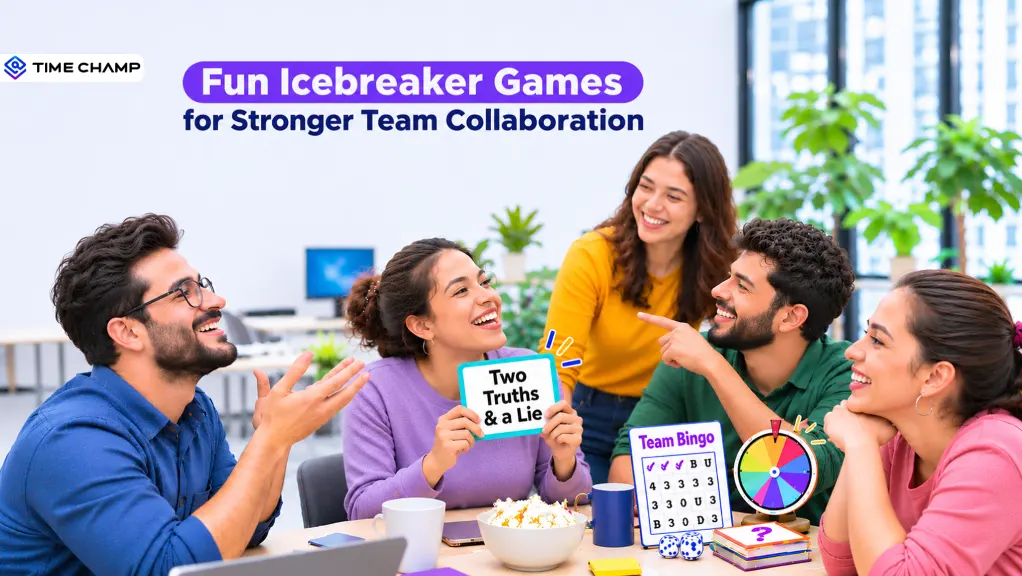
Team meetings do not always need another agenda, presentation, or status update. A well-chosen icebreaker can break through awkward silence, spark genuine conversation, and help colleagues connect beyond their usual roles. Whether your team is meeting for the first time or simply needs a fresh burst of energy, the right game can create a more open, collaborative atmosphere from the very start.
This blog covers 60+ fun icebreaker games for different team settings and group sizes. You’ll find quick, virtual, hybrid, onboarding, and team-building activities that are easy to implement.
What Are Icebreaker Games?
Icebreaker games are short, structured activities that help team members feel comfortable, start conversations, and connect. They can use questions, challenges, or simple group tasks to encourage participation and create an easier transition into meetings, team discussions, onboarding sessions, or collaborative work.
Icebreaker Games vs. Team-Building Activities: What’s the Difference?
Icebreaker games and team-building activities can both bring people closer, but they serve different purposes. Icebreakers usually help people start talking and feel comfortable, while team-building activities focus more on developing teamwork, communication, trust, or problem-solving skills.
| Key Difference | Icebreaker Games | Team-Building Activities |
|---|---|---|
| Main purpose | Start conversations and reduce awkwardness. | Strengthen teamwork and collaboration. |
| Duration | Usually short and easy to fit into meetings. | Often takes more time and planning. |
| Complexity | Simple rules with little preparation. | May involve multiple steps or challenges. |
| Primary focus | Connection, comfort, and participation. | Trust, communication, problem-solving, or leadership. |
| Best timing | Often used at the start of meetings or events. | Can run throughout a workshop, offsite, or team session. |
| Group interaction | Encourages people to share, talk, or get acquainted. | Requires people to work together toward a shared outcome. |
| Expected outcome | Creates an easier, more relaxed team atmosphere. | Builds skills and stronger team dynamics over time. |
Struggling to understand how your team spends its workday?
Use Time Champ to track productivity, activity, and work patterns with ease.
Quick Icebreaker Games (5 Minutes or Less)
Short games work best when the team has little time but still needs a quick energy boost. These options need minimal preparation and can fit naturally before a standup, meeting, or team discussion. Many workplace teams prefer icebreakers that are brief, low-pressure, and easy to join without taking attention away from the main agenda.
1. One-Word Check-In
Ask everyone to describe their current mood, energy level, or workday using one word. Each person shares their word in turn, either aloud or in the meeting chat. Participants do not need to explain their choice unless they want to add context. This quick round allows everyone to speak before the main meeting begins.
2. Two Truths and a Lie
Ask each person to share three statements about themselves, with one statement being untrue. Encourage participants to use light, work-appropriate facts and avoid highly personal information. After each guess, the speaker reveals the answer and can briefly explain the true statements.
3. This or That
Present the team with two simple choices, such as coffee or tea, mornings or evenings, or city trips or beach vacations. Everyone selects one option by raising a hand, using a reaction, or responding in chat. Invite a few people to explain their choices if time allows. Run several quick rounds to create conversation without putting anyone under pressure.
4. Six-Word Weekend
Ask each person to describe their weekend using exactly six words. The word limit encourages participants to summarize ordinary experiences in creative ways. After everyone shares, invite the group to ask about any especially interesting or surprising answers. This activity works particularly well as a relaxed opening for a Monday meeting.
5. Emoji Mood
Ask everyone to choose one emoji that represents their current mood, energy, or mindset. Participants can post the emoji in chat, add it to a shared board, or display it on screen. The facilitator can point out common themes or interesting differences in the responses. People may explain their emoji if they wish, but no one should be required to provide additional details.
6. Would You Rather?
Give the team two playful, workplace-friendly choices and ask everyone to select one. Examples include working from the beach or mountains, presenting or writing, or having an extra hour in the morning or evening. Participants can vote quickly using gestures, reactions, or chat responses. Ask for a few explanations to turn the vote into a short conversation.
7. Desk Detective
Ask each participant to choose one harmless object located near their workspace. They provide two or three clues about the object without naming it directly. The rest of the team guesses what the object might be. After the answer is revealed, the owner can briefly explain why the item is useful, interesting, or meaningful.
8. Rapid Favorites
Prepare a series of quick questions about favorite foods, movies, travel destinations, hobbies, or weekend activities. Move around the group and ask each person to answer without spending too much time thinking. The fast pace keeps the activity energetic and prevents lengthy explanations. As common interests emerge, encourage teammates to note possible follow-up conversations.
9. Word Association
Choose one starting word related to work, teamwork, or everyday life. Ask each participant to respond with the first related word that comes to mind. Keep the responses moving quickly so the activity feels spontaneous. At the end, point out unexpected connections or recurring themes in the answers.
10. One Small Win
Invite each person to share one small thing that went well recently. The win may relate to work, learning, teamwork, personal progress, or everyday life. Keep the sharing brief so everyone has an opportunity to participate. The activity creates a positive tone while helping teammates understand what others value and appreciate.
11. Pick a Side
Present two options and ask participants to choose a side of the room, raise a hand, or use a digital reaction. Examples might include working independently or collaboratively, planning or improvising, or calls or messages. Once everyone has chosen, ask one or two people from each side to explain their preference. The activity adds movement and gives quieter participants a simple way to join the discussion.
Virtual Icebreaker Games for Remote Teams
Remote teams need activities that work through a screen without depending on physical interaction. Chat, polls, breakout rooms, and shared digital spaces make participation easier for distributed employees. The following games are short, camera-friendly, and adaptable to different virtual meeting platforms.
12. Chat Waterfall
Post a fun question in the meeting chat and ask everyone to type an answer without sending it. Give participants a few seconds to prepare their responses. Count down from three and have everyone send their answers at the same time. The sudden stream of messages creates energy and gives every participant an equal opportunity to contribute.
13. Virtual Scavenger Hunt
Call out a simple item that people may have nearby, such as something blue, a favorite mug, or an object they use every day. Give everyone about 30 seconds to find the item and bring it to the camera. Run several rounds with different prompts to keep the activity moving. Participants can briefly explain their objects if the group wants to learn more.
14. GIF Your Week
Give the team a prompt such as “Describe your week” or “How does this project feel?” Ask each person to find a GIF that captures their response. Participants post their selections in the meeting chat or on a shared board. Review a few of the funniest or most accurate choices and invite brief explanations.
15. Virtual Show and Tell
Ask team members to bring one interesting, useful, or meaningful object to the meeting. Give each participant a short amount of time to show the item and explain why they selected it. Encourage people to choose something they feel comfortable sharing without requiring a personal story. Keep participation optional so the activity remains welcoming for everyone.
16. Guess the Workspace
Ask teammates to submit a cropped photo showing a small part of their workspace before the meeting. Display the photos one at a time and let the group guess whose workspace appears in each image. Participants can submit guesses through chat to keep the game moving. After revealing each answer, invite the owner to share one brief detail about the space.
17. Online Pictionary
Choose a workplace-friendly word, phrase, or object and assign one participant to draw it on a shared digital whiteboard. Everyone else tries to guess the answer by typing in chat. Set a short time limit so each round remains energetic. Rotate the artist role to give several people an opportunity to participate.
18. Virtual Background Challenge
Give everyone a theme, such as a favorite destination, fictional world, dream vacation spot, or ideal workspace. Participants select a virtual background that matches the theme before or during the meeting. Each person briefly explains how the background connects to the prompt. The activity works best when the team already uses video calls, and participants can change backgrounds easily.
19. Guess the Sound
Play or share a short recording of an everyday sound and ask teammates to identify it. Use simple sounds such as typing, a door closing, a coffee machine, or a familiar household item. Participants can submit guesses in chat before the answer is revealed. Add several rounds with different levels of difficulty to keep the mystery engaging.
20. Photo Flashback
Ask everyone to choose a non-sensitive photo from their phone or computer. Each participant shares the image on screen and gives a brief explanation of why it stands out. Encourage people to choose photos connected to hobbies, places, food, pets, or memorable experiences. Make sharing optional so participants can protect their privacy and comfort level.
21. Caption This
Share a funny, unusual, or workplace-safe image with the team. Give everyone a minute to create a caption and post it in chat. Read several captions aloud and invite the group to vote for the most creative or amusing option. Keep the image and humor inclusive so the activity remains comfortable for the entire team.
22. Virtual Bingo
Create bingo squares containing simple facts or experiences, such as “has visited another country,” “prefers tea,” or “has a pet.” Participants find teammates who match each square by asking questions during the call or through chat. Set a time limit and explain whether people may use the same person more than once. After someone completes a row, invite them to share one interesting fact they discovered.
Hybrid Icebreaker Games That Don’t Leave Remote People Out
Hybrid games should give remote and in-office employees the same opportunity to participate. Avoid activities where people in the room naturally form a group while remote colleagues watch from a screen. Shared chat, polls, digital boards, and simultaneous responses help create a more balanced experience. Whenever possible, use one digital platform for everyone and avoid separate activities for each location.
23. Digital This or That
Create a digital poll with two choices and ask everyone to vote through the same platform. Display the results to the entire group once all votes have been submitted. Invite participants to explain why they selected their option. Because everyone uses the same voting method, location does not determine how people participate.
24. Shared Whiteboard Doodle
Give everyone a prompt and ask them to add a quick drawing to a shared digital whiteboard. The drawing might represent a hobby, favorite food, current mood, or dream destination. Reveal the completed board and invite teammates to guess who created each drawing. Keep the drawings simple so the activity focuses on participation and not artistic ability.
25. Hybrid Trivia Sprint
Prepare five short questions about movies, music, general knowledge, company facts, or the team's industry. Have everyone submit answers through a shared form, chat, or polling tool. Reveal the correct answers together and keep score if the group enjoys friendly competition. Using a digital submission method ensures that remote and in-office participants have equal response time.
26. Mystery Fact Match
Collect one interesting, work-appropriate fact from each participant before the session. Display the facts anonymously on a shared digital board or presentation. Ask everyone to match each fact with the teammate they believe submitted it. Reveal the answers one at a time and allow participants to add a short explanation if they want.
27. Camera-to-Chat Challenge
Give everyone a prompt that can be answered with an object, gesture, image, or short phrase. Employees in the office can show their responses to the camera, while remote teammates can post theirs in chat or display them on screen. Compare the responses fairly across both formats. This approach lets everyone contribute using the tools available in their location.
28. Hybrid Picture Puzzle
Display a picture with several details hidden, removed, or changed. Give everyone the same amount of time to identify what is missing or unusual. Collect answers digitally so participants in the room and online compete under the same conditions. Reveal the changes together and award points for correct or especially observant answers.
29. Team Playlist Pick
Ask each participant to submit one song that matches a theme such as “Monday energy,” “project launch,” or “focus time.” Play a few selections and let the group guess who submitted each one. Participants can submit songs privately if they prefer not to announce their choices in advance. Keep the theme broad and avoid requiring anyone to share music that feels too personal.
30. Common Ground Grid
Create a digital grid containing statements such as “has worked in another industry,” “prefers early mornings,” or “has learned a musical instrument.” Participants mark the statements that apply to them. Review the completed grid and identify patterns or unexpected similarities. Invite a few volunteers to explain one of their selections and start a short conversation.
31. Remote or Office?
Prepare playful statements about work habits and ask everyone to choose between two sides. Examples include “quiet workspace or background noise” and “chat message or quick call.” Participants can vote through a poll, reaction, or shared board. Discuss the results to highlight similarities and differences across working environments.
32. Hybrid Story Chain
Start a short fictional workplace story with one sentence. Each participant adds one sentence either aloud or through the meeting chat in a predetermined order. The facilitator combines the contributions and reads the completed story at the end. This structure gives remote and in-office employees a clear, equal role in creating the final result.
33. Emoji Vote
Give the group a question and assign different emojis to possible answers. Participants respond with their chosen emoji through the meeting platform. Review the most popular responses and point out any surprising results. Invite a few people to explain their choices, but keep the discussion brief so the game remains fast.
Fun Team Building Activities for In-Person Teams
In-person sessions allow teams to use movement, physical materials, and face-to-face collaboration. These activities can go beyond simple introductions while remaining light enough for a team meeting or office gathering. Most require small groups, clear instructions, and a short time limit. End with a brief reflection when possible so participants can connect the activity to communication, planning, or teamwork.
34. Paper Tower Challenge
Divide the team into small groups and give each group paper and tape. Set a time limit and ask teams to build the tallest stable tower they can. Encourage groups to plan briefly before they begin but allow them to adjust their designs during the challenge. Measure the towers at the end and ask teams what helped or hindered their collaboration.
35. Marshmallow Structure
Give each small group spaghetti, tape, string, and one marshmallow. Teams must build the tallest freestanding structure with the marshmallow placed at the top. Set a clear time limit and remind participants that the structure must stand without support. Afterward, discuss how testing ideas early and adapting plans affected the final result.
36. Blind Drawing
Pair employees and give one person a simple image or object to describe. The speaker explains the image without naming it while the partner draws based only on the instructions. Compare the drawing with the original and discuss where misunderstandings occurred. The activity demonstrates the importance of precise language, active listening, and clarifying questions.
37. Human Bingo
Create bingo cards containing fun facts, experiences, or preferences. Participants walk around the room and find coworkers who match each square. Ask them to write the matching person's name in the appropriate space, following any rules about using names more than once. After someone completes a row, invite participants to share the most interesting fact they discovered.
38. Common Ground
Divide employees into small groups and give them a few minutes to identify things everyone in the group has in common. Encourage them to look beyond obvious workplace similarities such as job titles or departments. Each group chooses its most surprising or entertaining common connection to share. The activity helps teammates discover shared interests while practicing quick collaboration.
39. Office Treasure Hunt
Create a short list of clues that lead teams to locations or objects around the workplace. Give each group the same starting point and explain any boundaries or safety rules before beginning. Teams solve each clue together before moving to the next one. Finish by reviewing which strategies helped groups communicate and divide responsibilities.
40. Paper Airplane Contest
Give everyone identical sheets of paper and ask them to design and build a paper airplane. Teams can compete in categories such as distance, flight time, accuracy, or creativity. Allow a short testing period so participants can adjust their designs before the final competition. Use the results to discuss experimentation, feedback, and the value of learning from failed attempts.
41. Human Knot
Have small groups stand in a circle and hold hands with people across from them. Without letting go, participants work together to untangle the group into a circle. Encourage everyone to communicate clearly and move carefully without pulling or rushing. Because the activity involves physical contact, offer an alternative for anyone who is uncomfortable participating.
42. Build-a-Story
Give the team a starting sentence and ask each person to add one line to the story. Encourage unexpected twists while keeping the content workplace-friendly and inclusive. Participants must listen closely, so their additions connect with what came before. Read the completed story aloud and discuss how different ideas are combined into one shared result.
43. Reverse Charades
Split the group into teams and give one person on each team a word or phrase to guess. Instead of one person acting while everyone else watches, the entire team acts out the clue together. The designated guesser has a limited amount of time to identify the answer. Rotate the guesser and acting team so everyone has a chance to participate.
44. Cup Stack Challenge
Give each team an identical set of plastic cups and a simple stacking goal. Teams must complete the structure within a time limit without knocking it over. Encourage them to decide on a strategy before starting and to communicate during the build. Afterward, discuss how coordination and shared expectations affected speed and accuracy.
Icebreaker Games for Large Groups (25+ People)
Large groups need activities that prevent long waiting periods and allow many people to participate at once. Turn-based games can become slow when dozens of people need to speak individually. Voting, simultaneous responses, and smaller teams make large-group activities more efficient. Choose formats that are easy to explain and visible to everyone in the room or online.
45. Large-Group Poll
Prepare three to five light questions about preferences, habits, or workplace experiences. Let everyone vote simultaneously using a show of hands, digital poll, or colored card. Display or announce the results after each question and highlight surprising patterns. Invite only a few brief comments so the activity does not become a lengthy discussion.
46. Speed Networking
Pair participants and give each pair one simple conversation question. Allow two or three minutes for discussion before asking everyone to rotate to a new partner. Use a different prompt for each round to keep conversations varied. End by asking participants to share one interesting thing they learned from someone else.
47. Find Someone Who
Give participants a list of characteristics, experiences, or preferences to match with other people. They move around the room and find someone who fits each item, recording names as they go. Set a time limit so the activity remains energetic and does not become repetitive. Ask a few participants to share their most unexpected match when the round ends.
48. Silent Line-Up
Ask everyone to arrange themselves in order based on a category such as birthday month, years at the company, commute time, or distance from the office. Set a rule that participants may not speak or may use only limited communication. The group must rely on gestures, observation, and cooperation to organize itself. Once the line is complete, check the order and discuss how the group communicated without words.
49. Team Trivia Relay
Divide the large group into smaller teams and prepare a series of trivia questions. Teams discuss each question and submit one answer before the time limit expires. Award points for correct answers and keep the pace quick by moving directly to the next question. The shared scoring creates friendly competition without requiring every participant to speak to the full group.
50. Picture Zoom
Show a highly magnified section of an everyday object, workplace image, or familiar scene. Give teams a few seconds to discuss what they think they are seeing. Gradually reveal more of the image or provide additional clues until the answer becomes clear. Award points for early correct guesses and use several rounds to maintain interest.
51. Category Countdown
Give each team a category such as movies, foods, countries, hobbies, or workplace tools. Set a short time limit and ask teams to write down as many valid answers as possible. Compare the lists and award points for correct answers or unique responses. Encourage teams to explain one unusual answer after the scoring is complete.
52. Emoji Guess
Display a sequence of emojis representing a movie, phrase, company concept, song, or common saying. Teams submit their guesses at the same time using cards, chat, or a digital form. Reveal the answer and briefly explain how the emojis connect to it. Prepare several rounds with different difficulty levels so the game works for a large audience.
53. Human Sorting Challenge
Ask participants to sort themselves into groups based on a fun category such as favorite season, preferred work style, or ideal vacation. Give everyone a few minutes to find the group that best matches them. Once the groups form, ask each one to identify a shared characteristic or interesting difference. Keep the categories inclusive and allow participants to choose the option that feels most comfortable.
54. Team Name Challenge
Divide the audience into small groups and give each team two minutes to create a name and slogan. Encourage teams to connect their ideas to the meeting theme, department, or shared goal. Each group presents its name and slogan in a quick round. The activity creates an immediate sense of team identity without requiring complicated materials.
55. Workplace Charades
Create a list of familiar workplace situations, tools, processes, or phrases. Small teams act out the clues while their teammates try to guess the answer. Set a short time limit for each round and rotate the acting role among participants. Keep the prompts recognizable and inclusive so employees from different departments can participate.
Icebreaker Games for New Teams and Onboarding
New employees often need easy ways to learn names, interests, roles, and working styles. The best onboarding activities create conversation without forcing new hires to share information they would rather keep private. These games should be optional where appropriate and should avoid making newcomers feel like they are being tested. Keep the tone welcoming, explain the rules clearly, and give everyone a chance to participate.
56. Three Things About Me
Ask each new team member to share three simple facts about themselves. Encourage a mix of interests, hobbies, favorite activities, and light personal preferences. Existing teammates can ask one short follow-up question after each introduction. Keep the activity brief and allow participants to skip any fact they do not want to discuss.
57. Name and Motion
Each participant says their name and adds a simple motion or gesture. The next person repeats the previous name and motion before adding their own. Continue around the group until everyone has contributed. The playful repetition helps new teammates remember names while reducing the formality of introductions.
58. Personal Timeline
Give employees a few minutes to create a simple timeline of professional milestones, interests, places they have lived, or memorable experiences. Participants choose which events they feel comfortable sharing with the group. Each person briefly explains one or two points from the timeline. The activity helps teammates understand the different paths and experiences represented on the team.
59. Find Your Pair
Prepare matching cards with related words, such as “salt” and “pepper” or “sun” and “moon.” Hand one card to each participant and ask them to find the person holding the matching card. Once pairs connect, give them a simple question to discuss. Each pair can then introduce their partner or share one thing they learned.
60. Who Am I?
Give each participant a card containing the name of a well-known character, historical figure, or public figure. Participants ask teammates yes-or-no questions to identify the name on their card. Encourage them to speak with several different people without relying on one partner. The game creates natural interaction and gives new employees an easy reason to approach others.
61. Team Trivia
Create simple questions about the team’s work, company milestones, shared tools, or fun workplace facts. Let new employees answer alongside experienced teammates so the activity feels collaborative. Review the answers and provide context for any facts that newcomers may not know. This gives new hires useful information while creating a relaxed team conversation.
62. My First-Day Prediction
Ask new employees to make one light prediction about their first month on the team. Examples include which tool they will use most, which meeting they will enjoy, or what skill they will learn first. Record the predictions so that the team can revisit them later. Reviewing the answers after a few weeks creates a fun follow-up and shows how the onboarding experience has developed.
63. Role Swap
Pair two teammates from different roles and ask each person to explain what they think the other person's job involves. After both explanations, have the partners describe their actual responsibilities and correct any misunderstandings. Encourage them to identify one way their roles connect or depend on each other. The activity improves cross-functional understanding without turning the conversation into a formal presentation.
64. Question Jar
Prepare a collection of light questions and place them in a physical or digital jar. Each person selects one question and answers it briefly for the group. Questions can cover hobbies, favorite foods, work preferences, travel, or fun experiences. Allow participants to draw another question if the first one feels too personal or difficult to answer.
65. Team Map
Create a simple map showing where team members are from, have lived, or currently work. Participants add their names or markers to the relevant locations. Invite volunteers to share a short story about their location, such as a favorite tradition or local activity. The game is especially useful for distributed teams that may not otherwise learn about one another's backgrounds.
66. First Impression, Second Thought
Ask teammates to write one neutral first impression they had about a new process, project, tool, or workplace experience. They then describe what changed after they learned more or gained additional experience. Keep the discussion focused on situations, not judgments about individual people. The activity encourages reflection, curiosity, and openness to changing assumptions.
67. New-Team Question Roulette
Prepare a set of light questions and let each participant choose one at random. Questions can focus on hobbies, work preferences, favorite experiences, or simple hypothetical choices. Give everyone a short amount of time to answer before moving to the next person. The random format removes the pressure of deciding what to say and gives every participant the same starting point.
Do you lack visibility into team productivity between meetings and activities?
Time Champ gives you clear insights into employee activity, focus, and work patterns.
Conclusion
Great teams need more than meetings and deadlines to build strong connections. The right icebreaker games can create easy conversations, encourage participation, and help teammates feel more comfortable with one another. From five-minute activities to virtual, hybrid, large-group, and onboarding games, there are plenty of options for every team setting. Choose activities that match your team size, work style, and available time. Keep them simple, inclusive, and enjoyable so everyone can take part without pressure. With the right approach, a few minutes of fun can strengthen collaboration and create a more connected team.

Anjali

Table of Content
 What Are Icebreaker Games?
- Icebreaker Games vs. Team-Building Activities: What’s the Difference?
- Quick Icebreaker Games (5 Minutes or Less)
- Virtual Icebreaker Games for Remote Teams
- Hybrid Icebreaker Games That Don’t Leave Remote People Out
- Fun Team Building Activities for In-Person Teams
- Icebreaker Games for Large Groups (25+ People)
- Icebreaker Games for New Teams and Onboarding
- Conclusion
Related Blogs
Boost collaboration, increase engagement, and strengthen team connections with 10 effective hybrid team building activities for remote and office teams.
Anjali | Jun 18, 2026
Find 30 team building activities for work, including fun, virtual, and office ideas to boost collaboration, engagement, and stronger workplace connections.
Shabana Shaik | Jul 09, 2026
Explore workplace communication, its types, styles, benefits, challenges, and practical tips to improve collaboration, performance, and employee success.
Anjali | Apr 08, 2026
Learn the best remote employee engagement strategies for 2026 to boost productivity, retain top talent, build stronger teams, and measure long-term impact.
Jahnavi Pulluri | Aug 20, 2026
Boost remote team productivity with practical management tips, proven best practices, key metrics, and tools that help your remote teams perform better.
Anjali | Jul 16, 2026
Explore how employee engagement impacts productivity with real data insights, trends, and what teams should focus on to improve performance.
Thasleem Shaik | May 06, 2026


 4.7/5 avg.
Ready to Manage Your Workforce Smarter?
Join our family of 1500+ companies using smart insights to redefine workforces!

Free Trial
No Credit Card Required