The Top 10 Risks of Outsourcing and How to Manage them
Learn about the top 10 outsourcing risks and how to manage them effectively, protecting your business from potential challenges and disruptions

In today’s fast-paced business world, companies are constantly seeking strategies to stay ahead. Outsourcing has emerged as a popular solution, offering numerous advantages such as cost savings, access to specialized skills, and increased efficiency. However, like any business strategy, it comes with its own set of risks. Understanding these risks and knowing how to manage them is crucial for any business considering outsourcing.
What is Outsourcing?
Outsourcing is the practice of delegating certain business processes or services to external vendors or agencies. This approach allows companies to focus on their core competencies while external experts handle non-core activities. Outsourcing can involve various functions, from customer service and IT support to manufacturing and administrative tasks.
But Why Should You Outsource?
Outsourcing offers significant benefits, including cost reduction, improved efficiency, access to a broader skill set, and the ability to focus on core business areas. For instance, if a company outsources its IT support, it can concentrate on developing its products or services, leaving the technical details to those who specialize in them.
Risks of Outsourcing and How to Manage Them
1. Loss of Control
When you outsource a part of your business, you hand over a portion of control to an external party. This loss of control can manifest in various ways, such as differing priorities, misaligned goals, or a mismatch in business culture. For example, your outsourcing partner might prioritize efficiency over quality, which could conflict with your company’s emphasis on high-standard services or products.
How to Manage This Outsourcing Risk
Managing this risk involves careful vendor selection, clear communication of your expectations, and establishing strong management processes. It’s crucial to set measurable performance indicators and maintain regular oversight. For instance, using a tool like Time Champ can be invaluable in tracking outsourced employee time, productivity, and project progress, ensuring alignment with your business objectives.
2. Communication Barriers
Effective communication is key in any business operation. When outsourcing, especially to vendors in different countries, language barriers, cultural differences, and time zone discrepancies can lead to misunderstandings and inefficiencies. A common example is misinterpreting project requirements due to language differences, leading to costly revisions.
How to Manage This Outsourcing Risk
To bridge communication gaps, establish clear communication channels and protocols. Use comprehensive project management tools and schedule regular meetings to ensure everyone is on the same page. Employing bilingual team members or using translation services can also be beneficial in overcoming language barriers.
3. Difficulty in Finding the Perfect Vendor
Finding the right outsourcing partner is crucial but challenging. A mismatch can lead to several issues, such as poor quality work, misaligned goals, or even ethical concerns. For example, selecting a vendor solely based on cost savings might compromise the quality of the outsourced work.
How to Manage This Outsourcing Risk
Conduct thorough research and due diligence before selecting a vendor. Look for vendors with a proven track record, strong references, and alignment with your company’s values and quality standards. It’s also wise to start with a small project to evaluate the vendor’s capabilities before committing to a larger contract.
4. Unforeseen and Hidden Costs
Outsourcing can sometimes lead to unexpected expenses, such as costs for additional training, quality control, or even legal fees in case of disputes. These unforeseen costs can negate the anticipated savings from outsourcing.
How to Manage This Outsourcing Risk
Have a clear contract outlining all potential costs and responsibilities. Build contingencies into your budget for unexpected expenses. Regularly review and audit the outsourcing arrangement to ensure it remains cost-effective.
5. Vendor Failure to Deliver or Constant Delays
Reliability is a key concern in outsourcing. If a vendor fails to deliver on time or meet quality standards, it can disrupt your business operations and damage your reputation. For example, if an outsourced manufacturer delays product delivery, it could lead to a stockout situation for your business.
How to Manage This Outsourcing Risk
Include strict performance clauses in your contract, with penalties for delays or substandard work. Regular monitoring and communication can help identify issues early. Having backup vendors or contingency plans is also a prudent approach.
6. Quality of the Outsourced Product
Quality concerns are paramount in outsourcing. If the outsourced product or service doesn’t meet your standards, it can lead to customer dissatisfaction and harm your brand’s reputation. For instance, if a software development task is outsourced and the final product is buggy, it reflects poorly on your company.
How to Manage This Outsourcing Risk
Set clear quality standards and benchmarks from the outset. Regular quality checks and progress reviews can help catch issues early. Employing a phased approach, where you review and approve each stage of the project, ensures that the final product meets your expectations.
7. Privacy and Security Concerns
Outsourcing often involves sharing sensitive data with third parties, which can lead to privacy and security risks. A breach in your vendor’s system can compromise your data and lead to legal and reputational damage. An example is outsourcing customer support while sharing customer data, which might be at risk if the vendor’s security protocols are inadequate.
How to Manage This Outsourcing Risk
Choose vendors with strong security credentials and conduct regular security audits. Ensure that contracts include strict privacy and security clauses. Regular training on data handling and security best practices for both your and the vendor’s teams can also mitigate risks.
8. Lack of Experience with Remote Teams
Working with remote teams requires a different set of management and communication skills. Inexperienced managers might struggle with remote team coordination, leading to inefficiencies and project delays. For example, a manager used to face-to-face interactions might find it challenging to keep a distributed team engaged and productive.
How to Manage This Outsourcing Risk
Invest in training your managers on remote team management. Utilize tools like Time Champ to monitor and manage remote teams effectively. Establishing clear communication channels and regular check-ins can also improve coordination and project management with remote teams.
9. Outsourcing a Key Product
Outsourcing a key product or service that is central to your business can be risky. If the vendor fails to deliver the expected quality or if there are delays, it can have a significant impact on your business operations and customer satisfaction. For example, if a key software component critical to your product’s functionality is outsourced and not delivered on time, it could delay your entire product launch.
How to Manage This Outsourcing Risk
Carefully assess whether outsourcing a core component is the best strategy. If you decide to proceed, choose a vendor with a strong track record in delivering similar products. Have a detailed contract, enforce strict quality control measures, and maintain close communication throughout the project. Consider keeping certain critical aspects in-house to maintain greater control.
10. Geolocation
The geographical location of your outsourcing partner can pose various challenges, including time zone differences, cultural barriers, and local regulatory issues. For instance, coordinating with a team in a vastly different time zone can lead to communication delays and elongate project timelines.
How to Manage This Outsourcing Risk
When selecting a vendor, consider the implications of their location. Utilize technology to bridge the time zone gap, scheduling meetings at mutually convenient times and using asynchronous communication tools effectively. Awareness and training on cultural differences can also facilitate smoother interactions.
Conclusion
Outsourcing is a powerful tool for business growth and efficiency when managed correctly. By understanding and mitigating the risks involved, companies can reap the benefits while minimizing potential downsides. Tools like Time Champ play a crucial role in this process, helping businesses track and manage the time and productivity of outsourced employees, ensuring that projects stay on track and align with business goals.
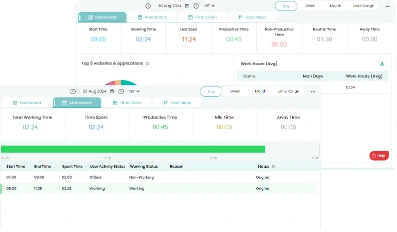
Table of Content
-
 Risks of Outsourcing and How to Manage Them
Related Blogs

DBPO stands for Business Process Outsourcing and it entails the hiring of external companies to perform certain jobs.
Mounika sai | 29 November 2023
Explore top BPO companies offering tailored solutions. Find the right partner to boost efficiency, cut costs, and drive your business growth!
mounika sai |24 November 2023
Discover the 12 key advantages of outsourcing your business operations efficiently and effectively. Maximize productivity and growth potential today!
Mounika Sai |6 December 2023
Discover the essence of outsourcing and explore the top global outsourcing companies. Elevate your business efficiency with strategic partnerships and expert solutions
Mounika sai |16 Novemeber 2023
Uncover the future of outsourcing services: Dive into how businesses are transforming efficiency and growth with advanced technology.
jahnavi pulluri |17 May 2024
Strategic outsourcing involves delegating specific tasks to external experts for efficiency. Explore its types, advantages, and how it optimizes operations.
mounika sai | 24 November 2023


 4.7/5 avg.
Ready to Manage Your Workforce Smarter?
Join our family of 1100+ companies using smart insights to redefine workforces!

Free Trial
No Credit Card Required