Why Do Agencies Need Time Tracking?
Agencies move fast, and that pace often hides the real effort behind each project. There is
a change in work shifts, client needs, and team switches among tasks throughout the day.
Without a clear record of where time goes, small gaps quickly turn into confusion. That is
why time tracking is important, and here are the main reasons why it is essential to
agencies.
1. Accurate Billing Without Confusion
Clear records make invoicing straightforward. As the agency teams record each and every task
with appropriate details, clients become aware of where their budget went and trust the
numbers you share. This removes unnecessary back-and-forth and keeps payments moving without
friction.
2. Better Visibility into Workloads
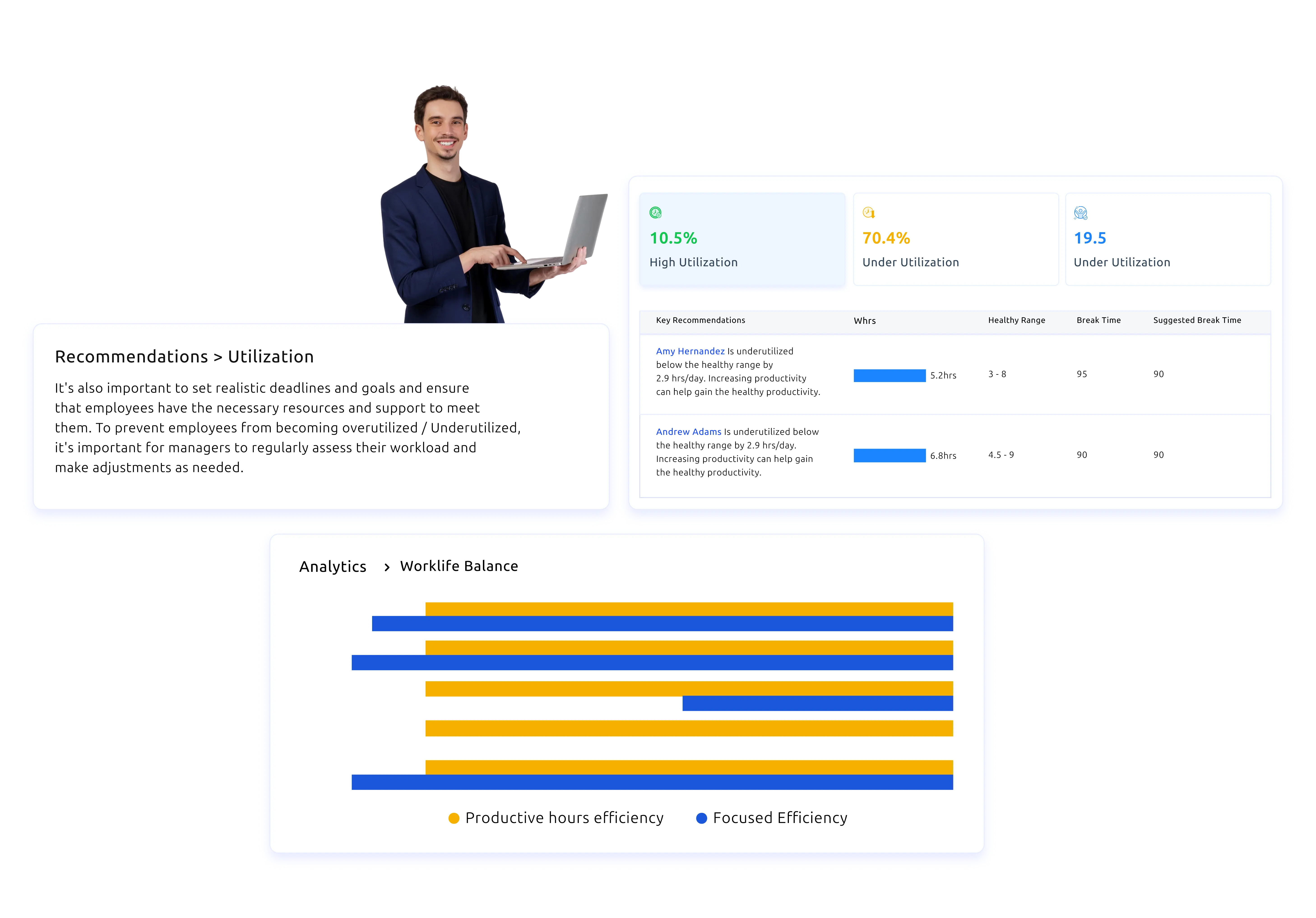
Usually, agency teams juggle multiple responsibilities at once. Time tracking shows who is
overloaded and who has room to take on new work, helping them balance tasks without
guesswork. This makes teams stable, concentrated, and less likely to burn out.
3. Stronger Project Planning
Accurate time records give a more realistic view of how long tasks truly take. Having that
insight, employers can make timelines that the team can easily stick to without having to
rush at the last moment. It becomes easier to commit to deadlines and deliver consistently.
4. Improves Profitability
Some projects use far more hours than originally planned. Time tracking reveals those
patterns, so agencies can refine pricing, shift resources, or adjust agreements to protect
their margins. It assists in making wiser choices that enhance growth in the long term.
5. Smoother Internal Processes
Time trends point out the activities or stages that delay the process. Once those areas are
visible, teams can adjust workflows, improve coordination, and keep delivery running
efficiently. This creates a smoother and more predictable work routine.
Together, these benefits create a more organised and predictable way of operating. Time
tracking provides the agencies with the perspective to handle the work with a lot of
confidence and understanding to ensure that the clients are satisfied and the team is
productive.
How Time Champ Simplifies Work for Busy Agencies?
Agencies often feel the pressure of shifting priorities, tight deadlines, and constant
client demands. Time Champ helps simplify this chaos with a clean and simple way to log
hours, track progress, and understand where effort truly goes. It makes everyday work more
transparent and enables your teams to stay organised and work with confidence.
If you are looking for reliable time tracking software for your agency, Time Champ offers a
balanced mix of ease, accuracy, and insight. Its focused approach helps you manage clients,
timelines, and budgets without adding extra work or complexity. You’ll get a clearer picture
of how streamlined agency work can feel when you look through the features built for your
daily operations.
Key Features of Time Champ
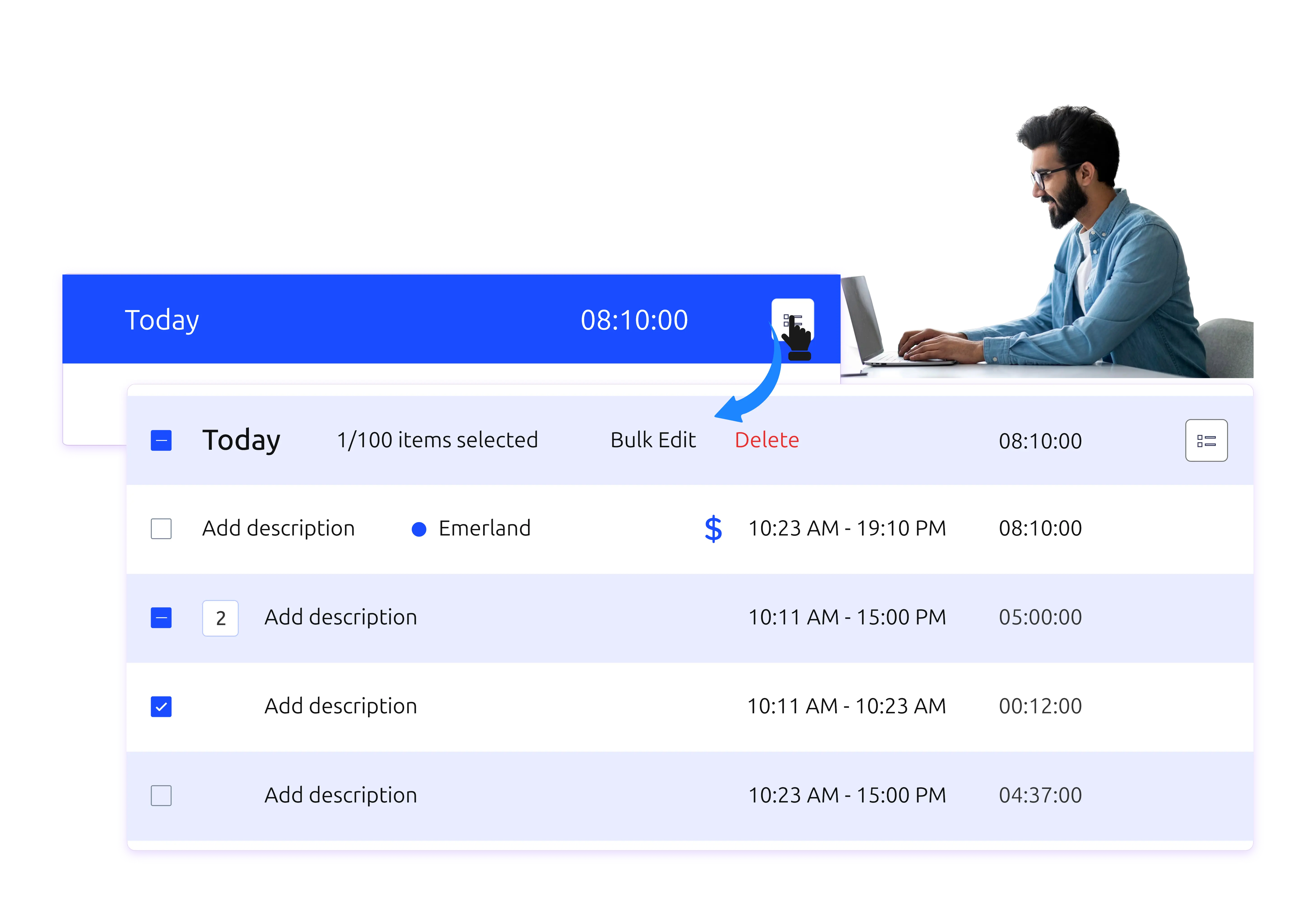
1. Simple Timer That Fits into Daily Work
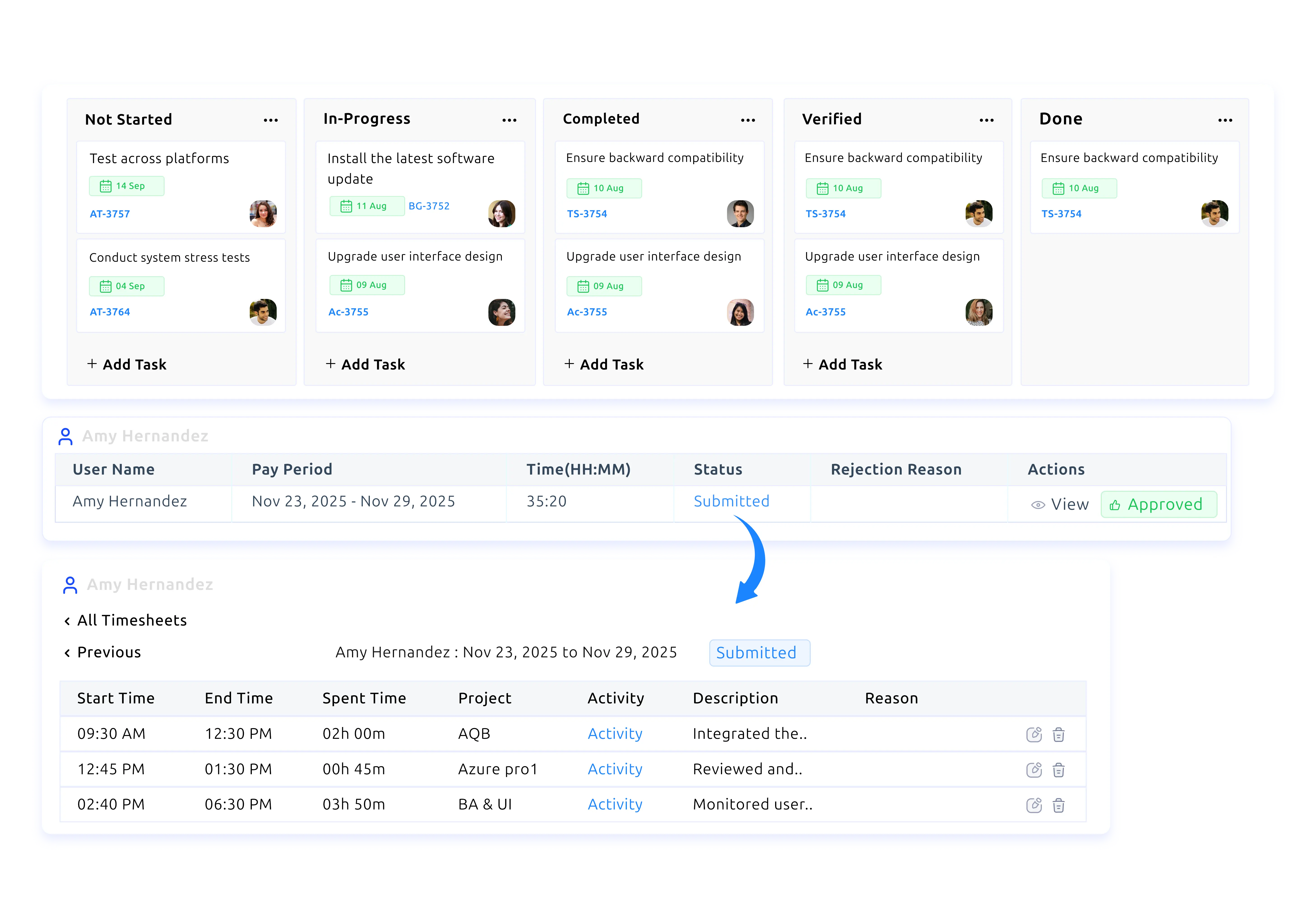
Time Champ’s task timer helps your employees log work simply by toggling start and stop when
done, making time logging feel natural. Your teams can sync these work logs to projects to
record everything in one place. This keeps the records clean and provides a smooth means of
time tracking for everyone as they go on with their day.
2. Flexible Manual Entries with Easy Edits
All the work does not happen just at a desk. Time Champ lets you add or adjust entries
whenever needed, which helps to keep timesheets accurate even when the day gets
unpredictable. It only takes a few edits to make your logs complete, so nothing gets missed,
and billing remains accurate.
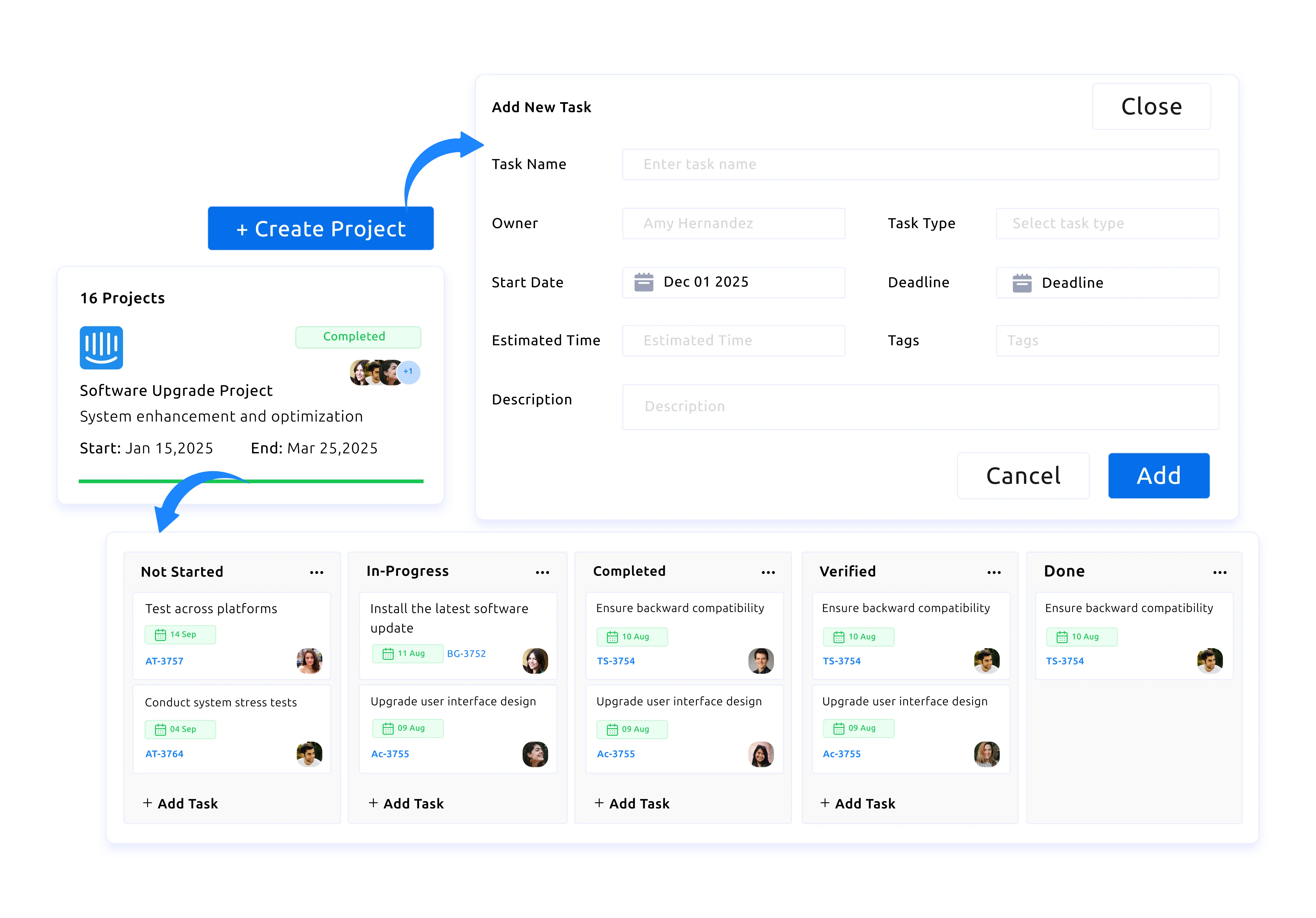
3. Clear Project and Task Mapping
Each hour that your team logs can be related to a client, project, or a particular task.
This provides a very clear picture of how the time is spent and which activities require the
most effort. It becomes easier to understand workload patterns, manage scope, and make
smarter planning decisions.
4. Rates and Billable Tracking for Smooth Invoicing
Time Champ helps you assign custom billable rates for people, tasks, and projects. When it’s
time to invoice, you get clean summaries that show exactly how billable hours were used.
This transparency helps avoid disputes and improves trust with clients who want detailed
breakdowns.
5. Smart Alerts That Keep Time Logs Accurate
Idle detection and gentle reminders help your teams avoid common mistakes like forgetting to
stop a timer or leaving one running during a long break. This ensures your timesheet is
clean and precise with minimal corrections at approvals.
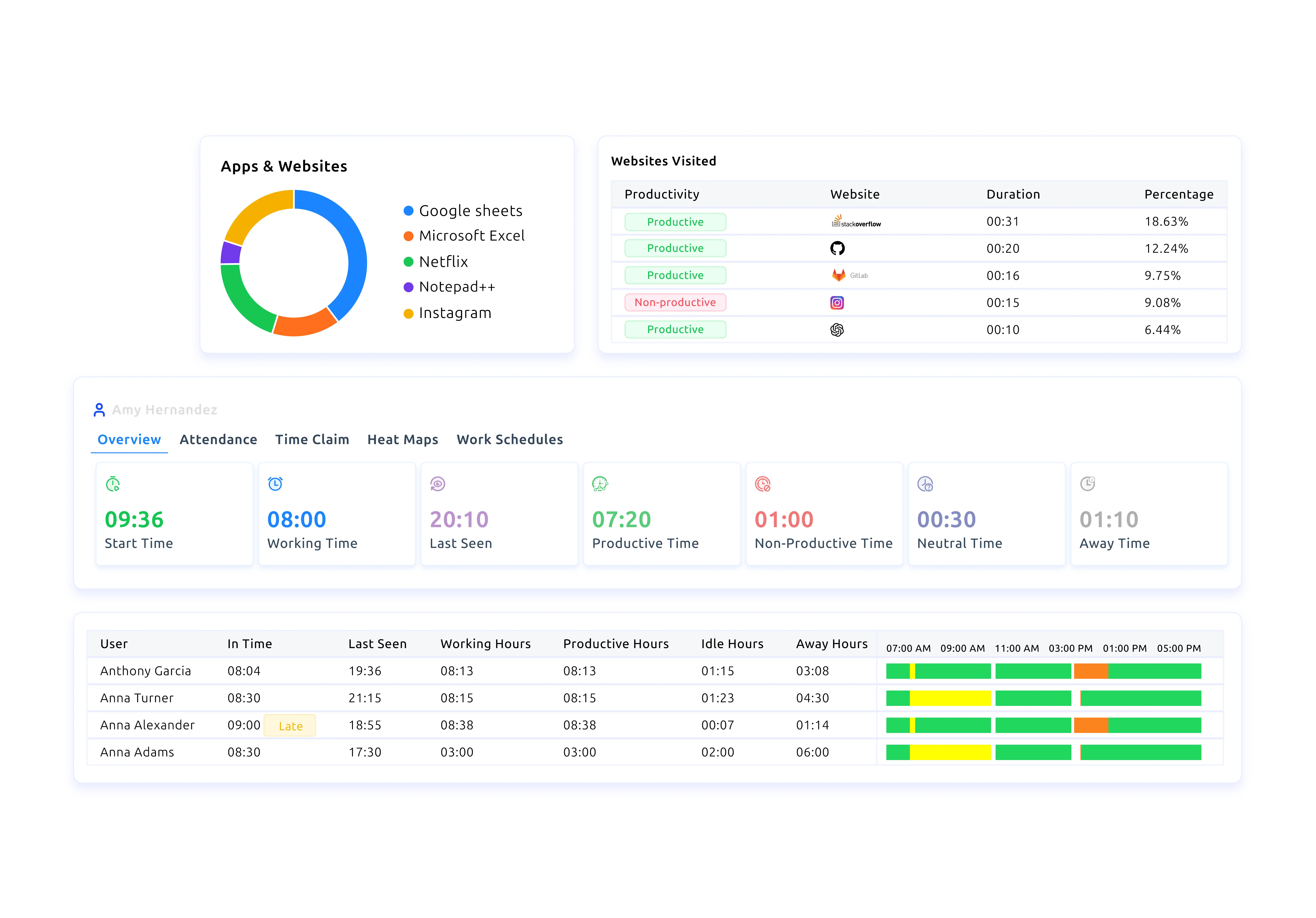
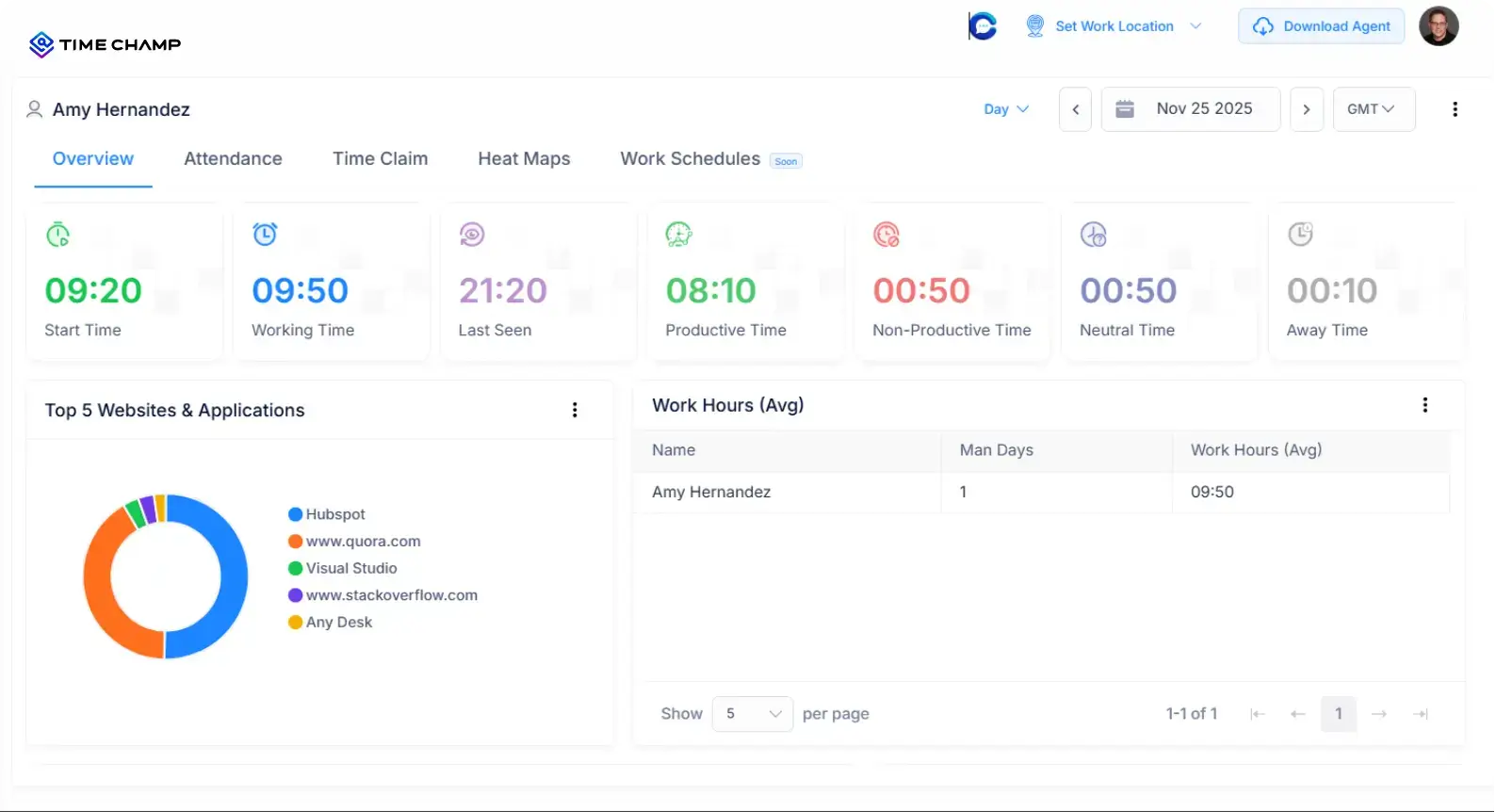
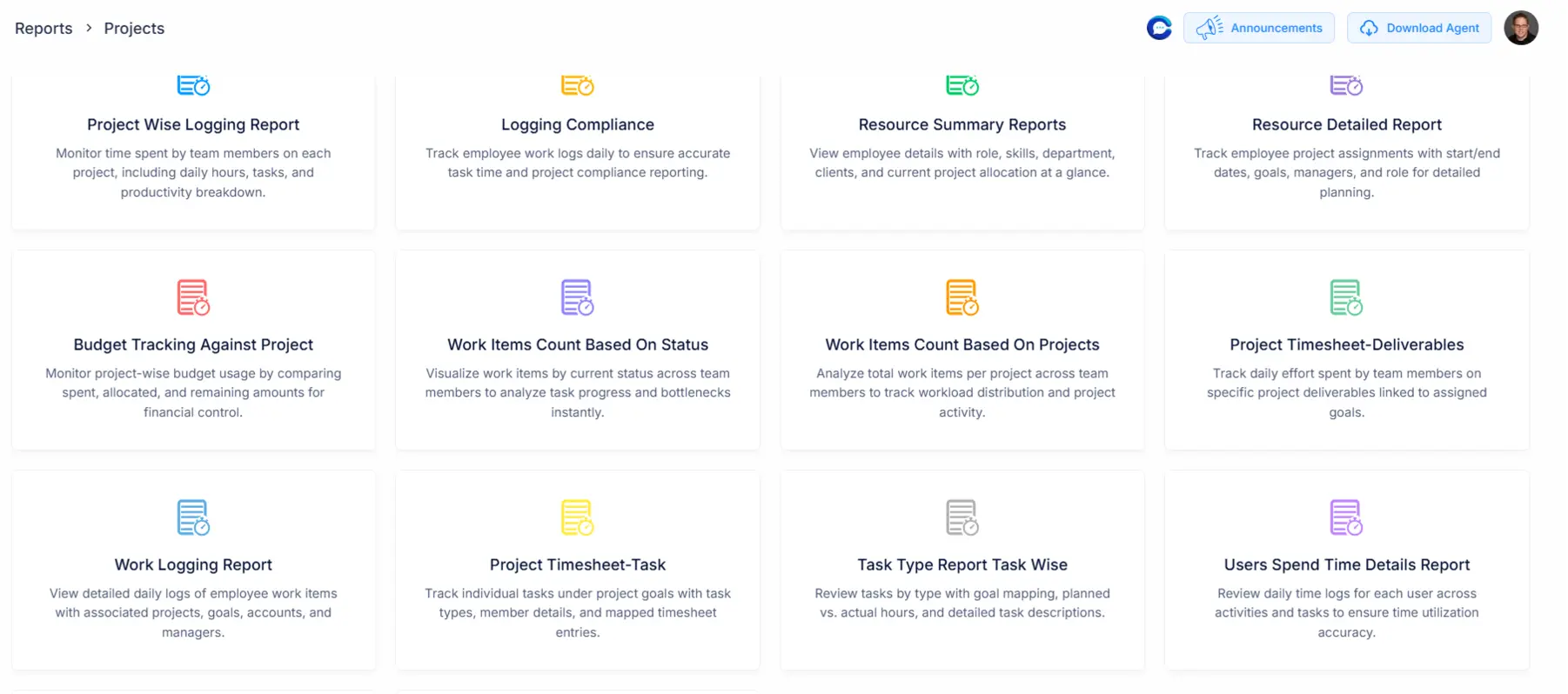
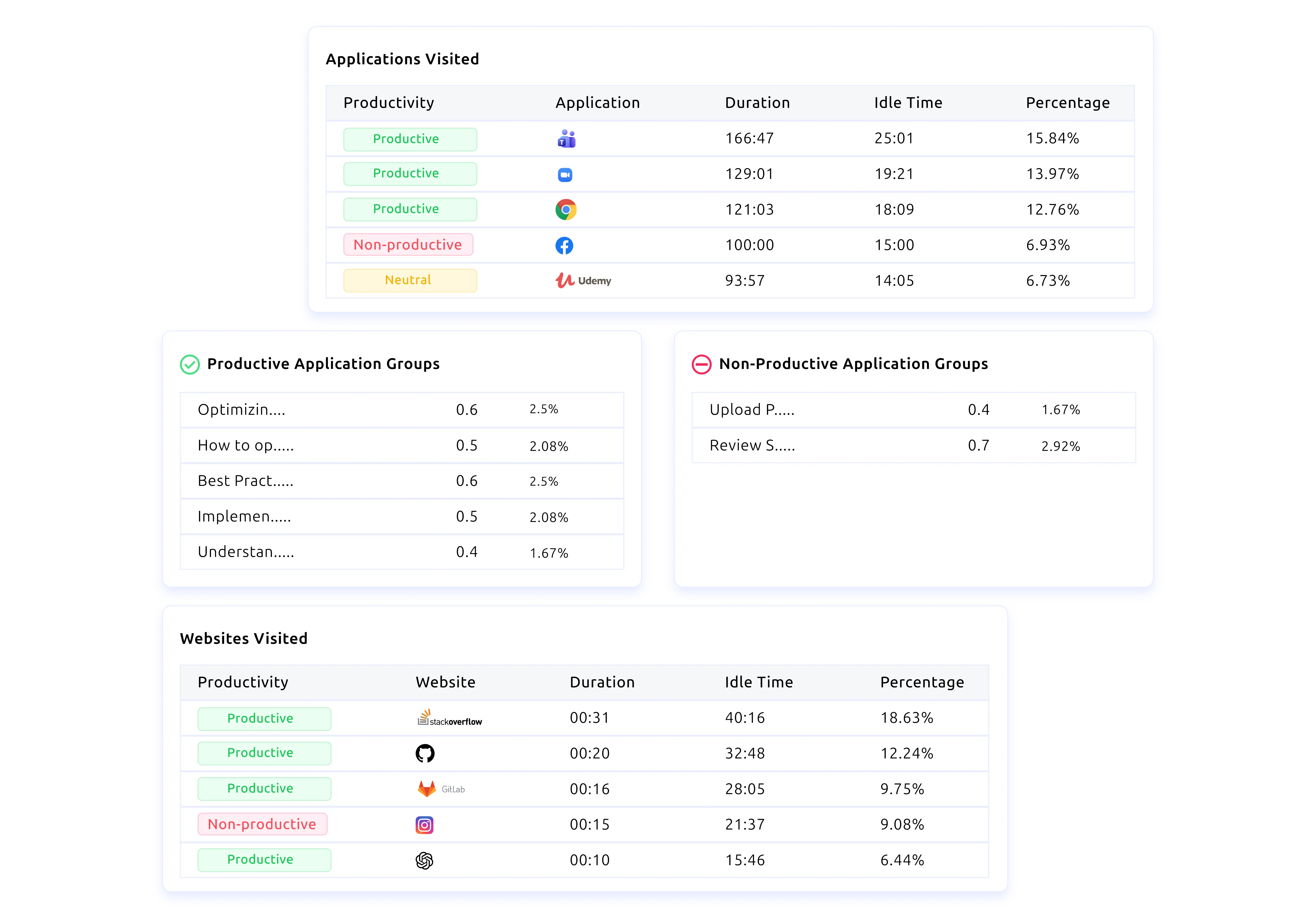
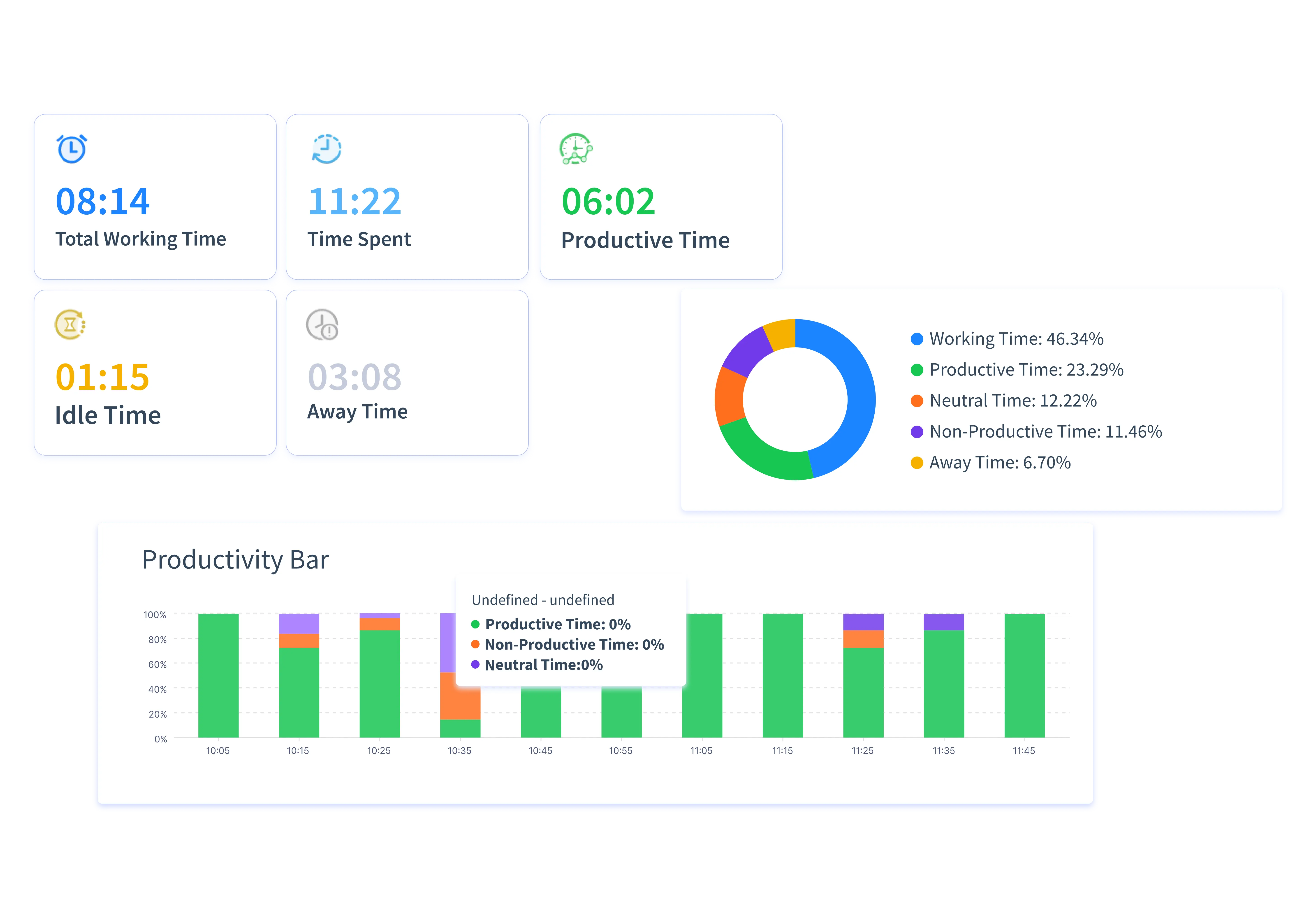
6. Insightful Dashboards and Reports
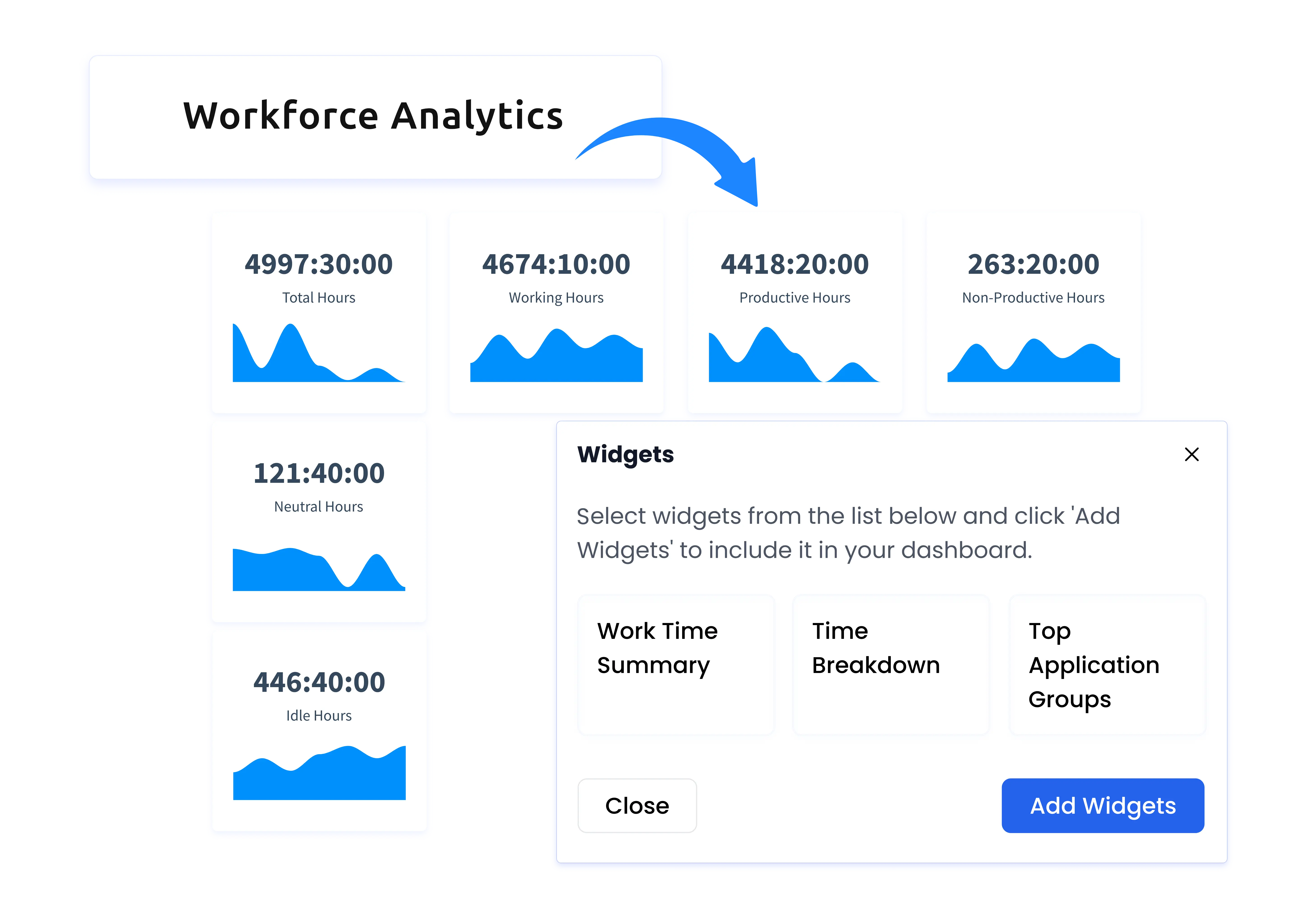
Time Champ turns raw tracked hours into meaningful insights. Dashboards display utilisation,
project progress, and team performance in an easy visual format. Custom reports will assist
you in knowing trends, making it easier to notice risks early and prepare for future
workloads.
7. Role-Based Permissions for Better Oversight
Time Champ uses permission controls to allow you to choose who can see what, and these
controls provide you with the visibility required, without compromising confidential
information. This setup supports collaboration without compromising privacy.
8. Mobile Tracking for Remote and Field Teams
Whether your team is in the office, remote, or working on the move, the mobile app keeps
time logs consistent. Offline tracking provides the records of work even without an internet
connection, and all the details are synchronised as soon as you are back online. It keeps
everyone aligned, no matter where the work happens.
Myths vs. Reality. How Time Tracking Transforms Agency ROI?
Myth #1: Time Tracking Slows My Team Down
Time tracking is often assumed to create extra admin work for agencies. Teams believe that
they will disrupt their flow, divert them from creative or technical work, and overstretch
already tight deadlines. This myth is based on the older tools that had to be manually
entered and did not really provide any advantage in place.
But modern platforms automate most of the process. With Time Champ, agencies saw the
opposite effect. Market and Markets, a global research firm with 1,000+ employees, increased
operational efficiency by 38% through automated time tracking, which ran quietly in the
background. Time Champ supports every workflow and provides the insight required to manage
projects with confidence.
Myth #2: It’s Only Useful for Billing, Not Improving Performance
A common belief is that time tracking exists solely to log billable hours. Most agencies
think it does not assist in the planning of resources, project health, and team performance.
This occurs when organisations incorporate tracking tools in the form of mere timers rather
than an insight tool.
In reality, detailed time data reveals workload patterns, bottlenecks, and improvement
opportunities. Sensiple, a global tech company, used Time Champ’s smarter insights to
streamline task distribution across teams. The result was a 32% jump in productivity,
proving that time tracking is just as valuable for internal performance as it is for client
billing.
Myth #3: My Team Will Feel Micromanaged
Agency leaders are usually afraid that time-tracking will cause the employees to feel they
are being monitored or evaluated. This is due to the fear of older tools that did not
distinguish between monitoring and support. In reality, modern tracking is built to improve
operational clarity, not control.
Clear, insight-led systems change how teams experience time tracking. People get a better
view of priorities, time drains, and realistic workloads. This change was experienced in
Apptad Technologies among their teams. Having over 500 specialists in the US and India, they
applied Time Champ to simplify the processes and eliminate workflow friction. This boost in
operational clarity contributed to a 20% rise in productivity, helping teams work with more
balance and less pressure.
Myth #4: Time Tracking Doesn’t Really Improve Profitability
According to the American Payroll Association, manual payroll errors can cost businesses 1%
to 8% of total payroll, showing how easily small tracking mistakes turn into financial loss.
This proves that relying on manual effort or guesswork hurts profitability, which is why the
myth that time tracking has little impact is far from true.
Time Champs' workforce intelligence platform gives you the operational clarity needed to
plug those leaks and improve profitability. When Milestone, a global IT firm operating
across 35 countries, used Time Champ to optimise how time was allocated across teams, they
stopped guessing.
They uncovered underused capacity, reduced unnecessary effort, and saved up to 1,270 work
hours with Time Champ. This sharper visibility helped them protect project margins and turn
lost hours into measurable profit gains.
These myths make time tracking seem complicated, but real results show it is a powerful
advantage for agencies. When used the right way, it brings clarity and delivers measurable
ROI that strengthens both performance and profitability.
Best Practices for Accurate Time Tracking
Proper time tracking brings clarity, maintains focus, and facilitates assured project
delivery by teams. When the process is simple, the data stays reliable, and decisions become
easier. Here are the key practices that make time tracking truly effective.
1. Keep the Process Simple and Easy to Follow
If tracking feels complicated, people completely avoid it. A clear and straightforward
workflow encourages teams to log time consistently. Easy steps lead to accurate data, and
accurate data leads to better decisions.
2. Encourage Real-time or Same-day Updates
Time logged at the end of the week is rarely precise. When teams record their work as it
happens, you get a true picture of effort, progress, and project health. This assists in
minimising the guesswork and provides managers with accurate information to act upon.
3. Define Clear Categories and Task Labels
Well-defined tasks make time entries more meaningful. When everyone uses the same structure,
you can easily spot gaps, bottlenecks, and areas where hours are slipping. Clear labels turn
raw time entries into useful insights.
4. Set Expectations with Your Team
People track better when they understand the purpose behind it. Explain how accurate time
data supports workload balance, fair billing, and smoother delivery. When the team sees the
benefits, consistency becomes natural.
5. Keep Feedback Open and Ongoing
Ask your team what is working and what feels difficult. Their insights help refine your
process and make tracking more natural over time. When the system adapts with the team,
accuracy improves for everyone.
If you want a simple, powerful way to track time and keep your projects moving smoothly,
Time Champ can be a good fit. It’s accurate time tracking, clear reports, and data-backed
insights can help your team work with more clarity.