What is Leadership Communication? A Complete Guide (2026)
Discover what leadership communication is, why it matters, key skills every leader need, real examples, and its impact on team performance.

What is Leadership Communication?
Leadership communication is a strategic process of sharing the vision, information, expectations, and feedback with the teams. It mainly focuses on direction, clarity, and mutual understanding. You can use communication to guide actions, influence decisions, and keep the employees aligned with organizational priorities and objectives. Strong best internal communication tools compounds over time; each cycle of feedback improves the next rollout.
The main purpose of leadership communication is to help you guide teams in the proper direction and clarity. When you effectively communicate with employees, they can clearly understand what needs to be done and why it actually matters. Effective communication also encourages collaboration, facilitates accurate decision-making, and helps you build stronger relationships with your teams.
Strong communication plays a significant role in maintaining trust and engagement in the workplace. When you openly communicate with the employees, they feel more confident in making leadership decisions and stay focused on organizational objectives. Effective Leadership communication also enhances productivity, alignment, and overall team performance.
Why is Communication Important in Leadership?
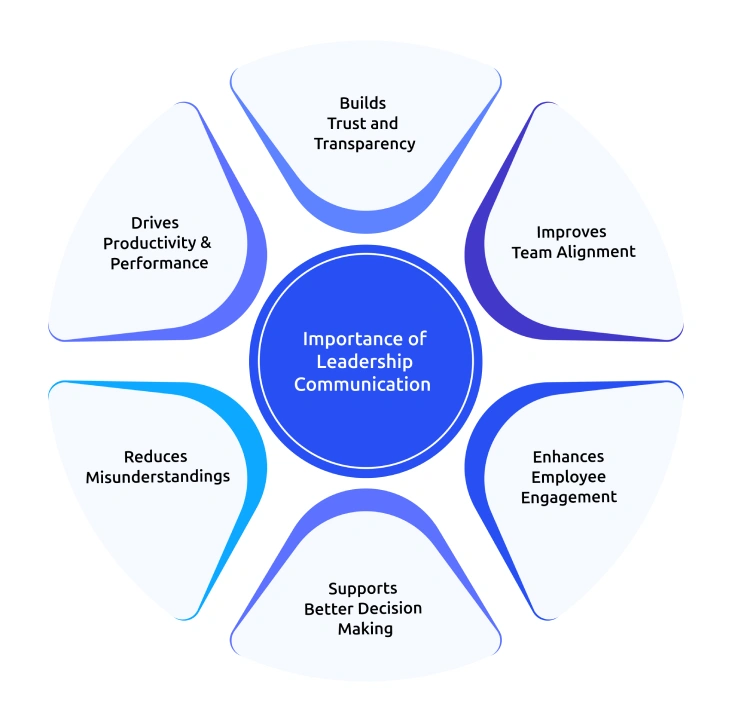
- Builds Trust and Transparency
Effective communication helps you to build trust in your team and establish a transparent work environment. Employees feel more confident and engaged with the organizational goals when they clearly understand the decisions and expectations.
- Improves Team Alignment
Clear communication helps everyone to understand their major roles, responsibilities, and priorities. This helps your team to stay on track and perform together toward shared goals without confusion.
- Enhances Employee Engagement
Open communication and active listening make employees feel valued and engaged. This enhances motivation, builds up relationships, and overall engagement.
- Supports Better Decision Making
Effective communication provides the correct information at the right time. This helps your team to make accurate decisions and reduce mistakes in daily tasks.
- Reduces Misunderstandings
Regular and clear communication helps to avoid misunderstanding and misinterpretation. This helps avoid mistakes and keeps work processes smooth and efficient.
- Drives Productivity and Performance
When the expectations are clearly communicated, employees can better focus on their tasks. This enhances efficiency, responsibility, and the overall team performance.
Is Your Team Aligned with Your Leadership Goals?
Use Time Champ to get real-time workforce insights and keep your teams focused, engaged, and productive.
What Are Some Examples of Leadership Communication?
Strong communication does not happen by chance. It shows up in the daily actions and interactions. The way you share new ideas, guide, and listen to your team shapes how work gets done. Let's look at some practical examples, which make the communication more impactful and effective.
1. Listening and Responding to Employees
Active listening helps you to know what your team really thinks and feels. Employees feel heard and valued when you listen to their feedback and respond thoughtfully. This creates trust and enhances overall communication in the team.
2. Sharing Honest and Timely Updates
Clear and transparent updates minimize confusion, particularly during the changes. Sharing information openly makes employees feel safe and confident. Trust is built when you keep the teams updated about decisions and progress consistently.
3. Using Stories to Explain Ideas
Stories make communication easier to understand and more interesting. Real scenarios help the employees to connect with your message and remember it better. This strategy also motivates teams and enhances emotional attachment.
4. Explaining the Purpose Behind Decisions
Employees often perform better when they understand the reason behind tasks. When you explain the “why,” it gives meaning to their work. This boosts motivation and promotes greater commitment to objectives.
5. Creating a Sense of Team Unity
Inclusive language helps to create a better team culture. Terms such as "we" and "our" make employees feel part of something bigger. This improves collaboration and strengthens relationships within the team.
6. Using Positive Body Language
Nonverbal communication plays a major role in how the messages are received. Even basic gestures such as eye contact and attentive posture show that you truly care. This helps to create a more open and comfortable communication environment.
7. Giving Clear Instructions and Expectations
Effective communication prevents misunderstanding and errors in the team. Employees understand what to do when the tasks are clearly explained. This improves productivity and ensures better results across the team.
What Are the 8 Essential Leadership Communication Skills?
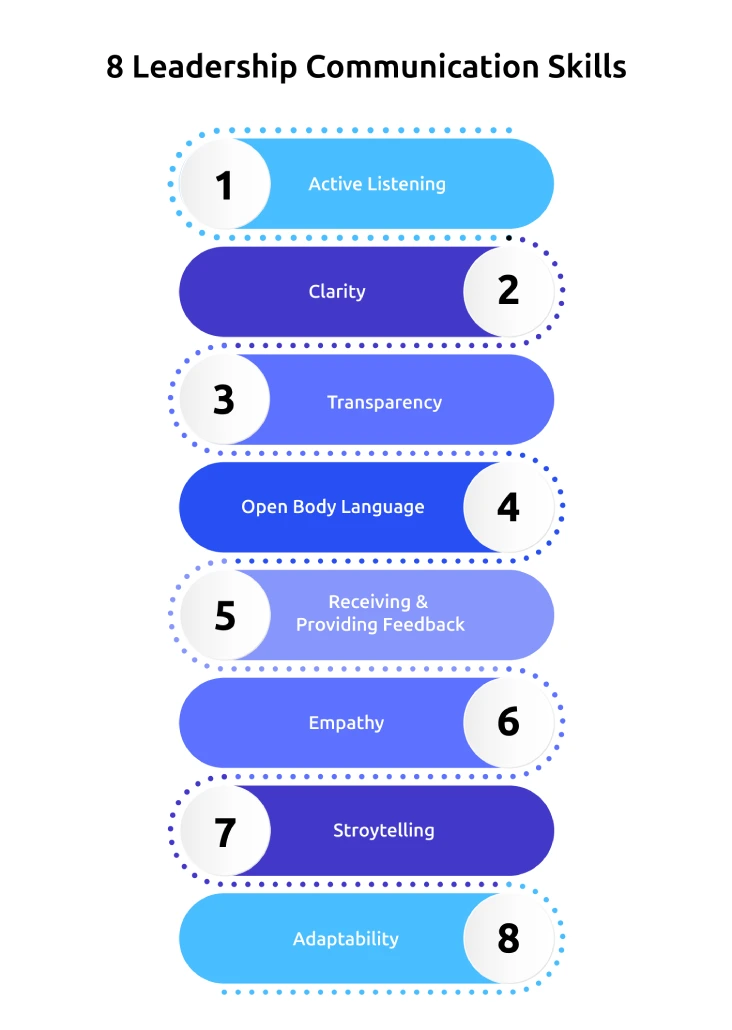
Strong communication is not about what you say but how well you communicate. The following are the important leadership communication skills that shape your team's understanding, response, and performance in daily work situations.
1. Active Listening
Active listening helps you to completely understand the team's concerns and ideas. Employees feel that they are heard and respected when you carefully listen to them. This builds trust and promotes open communication in the team.
2. Clarity
Clear communication ensures that your team understands the expectations, tasks, and key objectives without confusion. Simple and direct messages help employees stay focused on their work. This enhances productivity and eliminates mistakes.
3. Transparency
Transparency develops trust through sharing the relevant and honest information with your team. When the employees understand what is actually happening, they feel engaged and more confident. This creates enhanced alignment and responsibility.
4. Open Body Language
Nonverbal communication impacts how the way your message is received. Eye contact, posture, and gestures show attentiveness and confidence. Positive body language helps create a comfortable and open communication environment.
5. Receiving and Providing Feedback
Regular feedback helps employees to improve and remain aligned with the expectations. Constructive feedback guides performance, while receiving the feedback indicates openness. This develops a culture of constant learning and improvement.
6. Empathy
Empathy helps you to understand how your team feels and thinks. Employees feel supported and valued when you communicate with empathy. This builds relationships and boosts the team morale.
7. Stroytelling
Storytelling helps in making communication more interactive and easier to understand. Real-life examples help employees to connect with your message. This also enhances the retention and makes ideas more memorable.
8. Adaptability
Adaptability helps you to adjust your communication style based on different situations or team requirements. Flexible communication enhances understanding across the different teams. This helps you to manage difficulties and changes more effectively.
How Do Leadership Communication Skills Impact Managers and Employees?
Strong leadership communication influences how you lead the teams and how employees perform their work. When you clearly communicate, your teams remain focused, understand their key responsibilities, and gain confidence in their work.
| Leadership Communication Impact | Managers | Employees |
|---|---|---|
| Clear direction and expectations | You clearly explain the objectives, responsibilities, and priorities with better clarity. | Employees understand their tasks and stay focused on their work. |
| Better decision-making | You provide proper guidance that helps in better and more confident decision-making. | Employees make better work decisions with clear instructions. |
| Stronger team collaboration | Encourage open communication and smoother collaboration. | Employees feel comfortable sharing ideas and working together. |
| Higher employee engagement | Open communication helps you to build trust and motivation. | Employees feel valued and more connected to organizational goals. |
| Improved problem solving | Clear discussions and feedback help you to address the challenges early. | Employees raise concerns early and help find solutions. |
| Increased productivity | Align the teams with organizational priorities. | Employees work efficiently, enhancing concentration and overall performance. |
What Are the Common Challenges in Leadership Communication?
Even strong leaders might face communication challenges, which impact the clarity and productivity of the team. Small communication gaps can quickly reduce trust, create confusion, and lead to poor employee collaboration. Early identification of these challenges helps you address and communicate them effectively with your team.
- Lack of Transparency
Employees might get disengaged or feel uncertain when you do not clearly explain decisions and changes made. Lack of transparency can also reduce trust within the team. You can overcome this by sharing the information openly with employees, explaining the reasons behind decisions, and keeping them informed about every important update.
- Unclear or Inconsistent Messaging
Poor instructions may confuse employees about their responsibilities. Changing messages may also create misunderstandings within the teams. You can overcome this problem by setting expectations clearly, repeating key information when needed, and communicating effectively throughout the meetings and channels.
- Ineffective Feedback Loop
Employees might struggle to improve their performance when the feedback is shared rarely. Lack of feedback can also reduce employee motivation. Encouraging consistent feedback discussions, asking employees for their opinions, and building a safe space for sharing their ideas can help to solve this issue.
- Poor Active Listening
Communication problems occur when you concentrate more on speaking than listening. Employees might feel ignored when their issues are not heard. You can overcome this by giving employees time to share their views, practising active listening, and responding accurately to their feedback.
- Communication Gaps across Teams
Important information may not reach everyone in the organization. This frequently happens within remote or large teams. You can reduce these gaps by sharing the updates consistently, using clear communication channels, and ensuring that the right information reaches the right person.
How Can Time Champ Improve Leadership Communication and Team Visibility?
Strong leadership communication becomes easier when you have clear insights into how your team works. Without reliable information, it might be difficult to understand the team’s productivity, identify communication gaps, or support employees effectively. Use tools like Time Champ that help you get real-time visibility into work activities, team performance, and productivity patterns. These insights will help you to communicate expectations more effectively, respond to challenges faster, and lead your teams with more clarity and confidence.
Time Champ also helps you enhance the transparency and alignment throughout your organization. Its automated time tracking capabilities, productivity analytics, and detailed reports help you understand the workflow of the teams. This information helps you to make better decisions, provide useful feedback, and keep the employees aligned with organizational objectives.
Want to Lead Your Teams with Better Clarity and Confidence?
Use Time Champ to gain real-time workforce insights that help you align better and drive team performance.
Conclusion
Leadership communication plays a vital role in how effectively you lead your team and achieve organizational objectives. When you communicate with clarity, transparency, and consistency, employees understand expectations, stay engaged, and collaborate more effectively. Effective communication also helps you to gain trust, solve challenges quickly, and keep teams aligned with the organizational priorities.
Improving leadership communication requires continuous effort. Developing the essential communication skills, facilitating open feedback, and addressing communication challenges at an initial stage can make a huge difference. When you combine effective communication practices with the right tools and insights, you create a workplace where employees feel informed, confident, and motivated to perform at their best.
Table of Content
-
 What is Leadership Communication?
-
Why is Communication Important in Leadership?
-
What Are Some Examples of Leadership Communication?
-
What Are the 8 Essential Leadership Communication Skills?
-
How Do Leadership Communication Skills Impact Managers and Employees?
-
What Are the Common Challenges in Leadership Communication?
-
How Can Time Champ Improve Leadership Communication and Team Visibility?
-
Conclusion
Related Blogs
Build a strong communication culture in remote teams to improve collaboration, trust, and productivity. Explore key strategies for seamless teamwork!
Sai Keerthi Uppala | 24 February 2025
Corporate communication is a process of establishing organizational communication and between the organization and its various stakeholders.
Vijaya Lakshmi | 27 April 2024
Continuous feedback involves a timely and regular feedback flows where feedback is constantly being given and received.
Sai Keerthi Uppala | 27 April 2024
Learn what workforce engagement management (wem) is, why it matters in contact centers, components, benefits, and how to choose the right software.
Shabana Shaik | 01 October 2025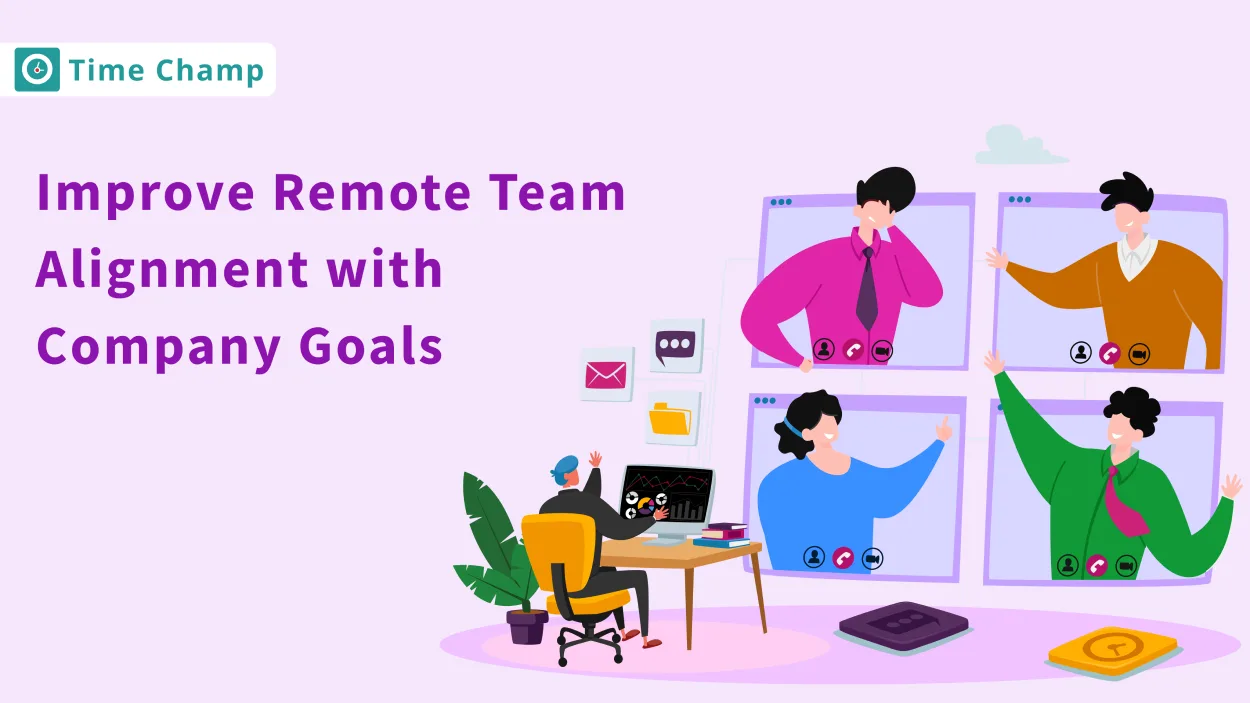
Learn effective remote team alignment strategies to enhance communication, boost productivity, and keep your team connected.
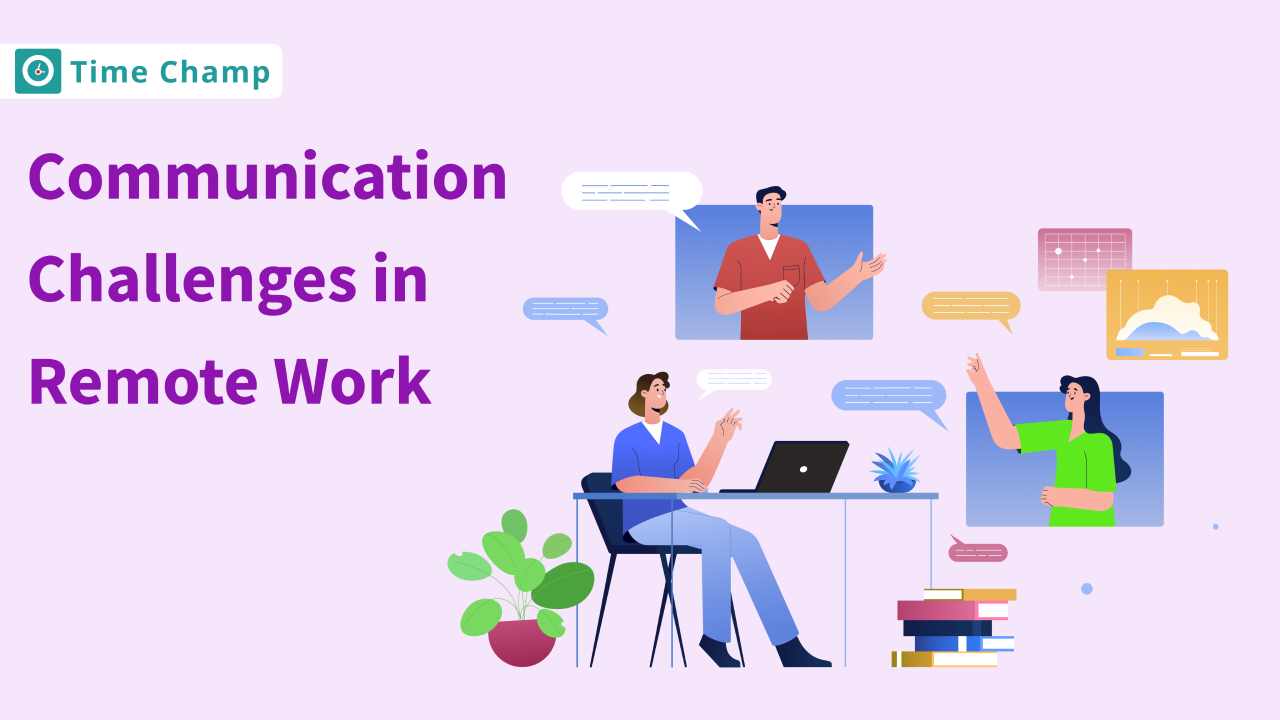
Discover ways to overcome communication challenges in remote work and boost collaboration. Find solutions for miscommunication, time zone issues, more!
Tarun Kumar Reddy | 25 October 2024


 4.7/5 avg.
Ready to Manage Your Workforce Smarter?
Join our family of 1500+ companies using smart insights to redefine workforces!

Free Trial
No Credit Card Required