Why Productivity Dies Fast
Team productivity rarely collapses overnight, it erodes in quiet, compounding ways most leaders only notice once the damage is visible. This walkthrough breaks down the silent drag patterns, the early warning signs, and the practical moves that help teams keep their momentum.

What You'll Learn in This Video
Five compounding patterns that quietly drain team productivity, and the moves that protect momentum.
The Silent Decay Curve
Productivity rarely cliff-drops. It erodes a few percent at a time, hidden under busywork, until output catches up months later.
Warning Signals Most Leaders Miss
Standups stay on time, calendars stay full, status reports stay green, while the real leading indicators are flashing red.
Meeting & Interruption Drag
Calendar density and fragmented focus blocks compound into days where nothing meaningful actually ships.
Tool Sprawl & Context Switching
A stack of a dozen tools costs more than license fees. Every switch resets focus, and the cost shows up in lower throughput, not the budget.
Restoring Momentum
Practical interventions that reverse the decay, what to measure, what to defend, and the rituals that keep teams shipping.
About This Video
Teams rarely lose productivity in one dramatic event. It dies quietly, through a steady accumulation of small drags that each seem too minor to address. By the time the impact shows up in shipped work, the patterns are already entrenched. This walkthrough names the most common silent killers, shows how to spot them weeks before they hurt output, and lays out the changes that protect momentum without resorting to surveillance or pressure.
Who this is for:
- People leaders watching team output slowly slip without an obvious cause
- Engineering and ops leads trying to protect deep work in growing organizations
- Agency and services owners managing margin under throughput pressure
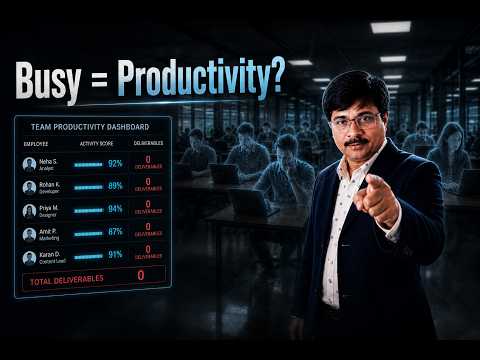
- Anyone who feels their team is busy but not producing what it used to
Pair this with our 5 Data-Driven Signs Your Team Has Productivity Issues for the measurement side.









 4.7/5 avg.
Ready to Manage Your Workforce Smarter?
Join our family of 1500+ companies using smart insights to redefine workforces!

Free Trial
No Credit Card Required