Why Managers Can't See Where Work Actually Goes
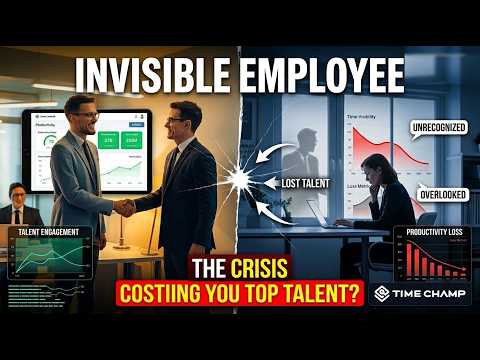
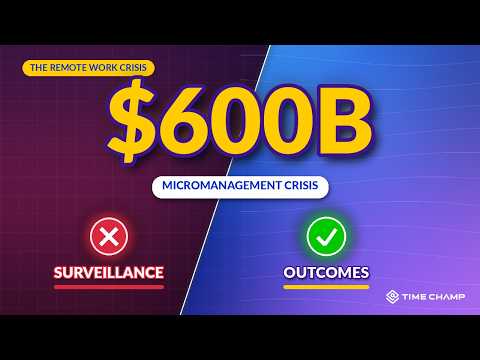
The hidden patterns that hide where work actually happens from your dashboards, and the practical signals managers can use to rebuild real visibility without crossing into surveillance.
What You'll Learn in This Video
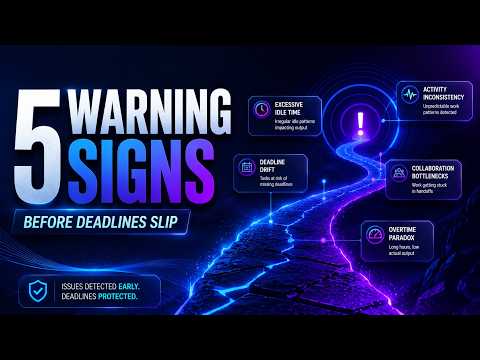
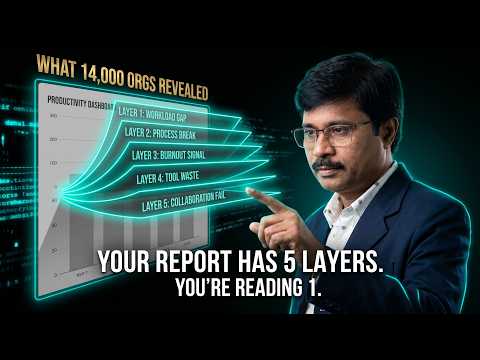
Five reasons your dashboards understate what your team actually does, and the changes that close the gap.
The Surface vs Reality Gap
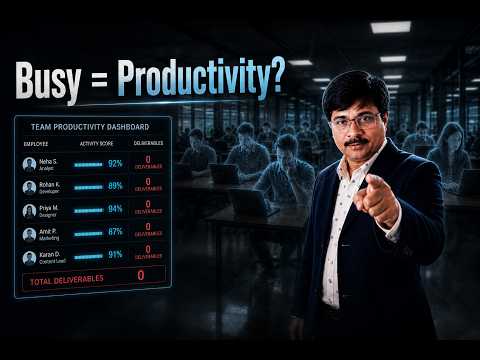
Dashboards show ticket counts and hours logged. What they miss is the real work that produced those numbers, or didn’t.
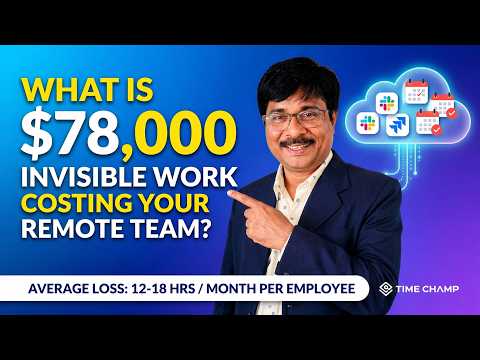
The Invisible Coordination Tax
Hours lost in handoffs, status pings, and meeting prep don’t live in any project tool, but they’re a large slice of every workweek.
Status-Report Theater
Polished updates summarize the version of work people want you to see, not the version that’s actually happening.
Tool Sprawl Blind Spots
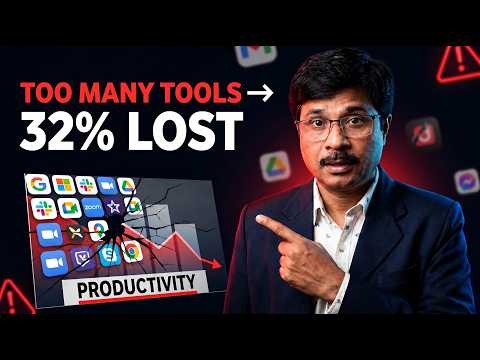
Work scattered across 12+ apps means no single dashboard sees the whole picture. Aggregated signals matter more than any one tool.
Signal-Rich Rebuild
How to layer activity, output, and qualitative signals so visibility actually reflects work, and your team trusts the result.
About This Video
Most management dashboards capture inputs (hours, tickets, commits) and outputs (closed work, releases) and call that visibility. But the bridge between the two, how work actually moves, where it stalls, who’s carrying invisible load, almost never shows up. This walkthrough lays out the five common reasons real work disappears from manager dashboards, and the changes that make it visible again without crossing into surveillance.
Who this is for:
- Engineering, ops, and team leads building reporting they actually trust
- People leaders looking for leading indicators, not lagging ones
- Agency and services leaders managing distributed delivery
- Anyone tired of dashboards that look right but feel wrong
Pair this with our 4 Data-Driven Ways to Track Employee Productivity for the measurement side.



 4.7/5 avg.
Ready to Manage Your Workforce Smarter?
Join our family of 1500+ companies using smart insights to redefine workforces!

Free Trial
No Credit Card Required