What is an Annual Quota? Definition and Key Dynamics
Annual quota is the predetermined number of paid leave days allocated by an employer to an employee for a whole year.

The annual quota is the predetermined number of paid leave days allocated by an employer to an employee for a whole year. This distribution plays a significant role in the organization’s leave policy, stating the exact number of days that an employee is entitled to leave with pay. This employee benefit is a work-life balance that gives individuals the ability to take care of personal or health issues without affecting their financial security.
What is the Annual Quota in the Context of Leave Policies?
The annual quotas of leave reflect a company’s commitment to work-life balance, employee health and overall wellness. It defines the specific number of days that an employee is allowed to be absent with pay, enabling him or her to deal with personal issues or health problems while maintaining a reasonable salary. This set number not only embodies the company’s principles but also an obligation in most jurisdictions, which is a crucial part of the wider social safety net.
The Dynamics of Annual Quota in Employee Leave Policies
- Annual Quota and Leave Entitlement: The annual quota acts as a tangible representation of an organization’s commitment to employee well-being. It sets the framework for the number of paid leaves an employee can utilize within a given year, fostering a supportive work environment that acknowledges the importance of rest and personal time.
- Utilization and Deduction: When a worker takes time off, like for vacation or sudden events, the days they use are taken from their yearly leave allowance. This way of taking deductions makes sure that everything is clear and organized. It lets employers and workers know exactly how much leave time they have left.
- Carry Forward and Flexibility: In cases where an employee is unable to utilize the entire allocated leave within the specified period, some organizations allow for the carry forward of unused days. This provision adds a layer of flexibility, acknowledging that individual circumstances may vary and providing employees with the opportunity to use accrued leave in subsequent years.
- Standard Practices: Companies often give about 21 to 30 days of paid time off every year, but the total can change from one firm to another. This range includes many types of company cultures and business rules. It knows that different fields may have special needs or wants when it comes to workers’ days off as well.
Introducing Time Champ:
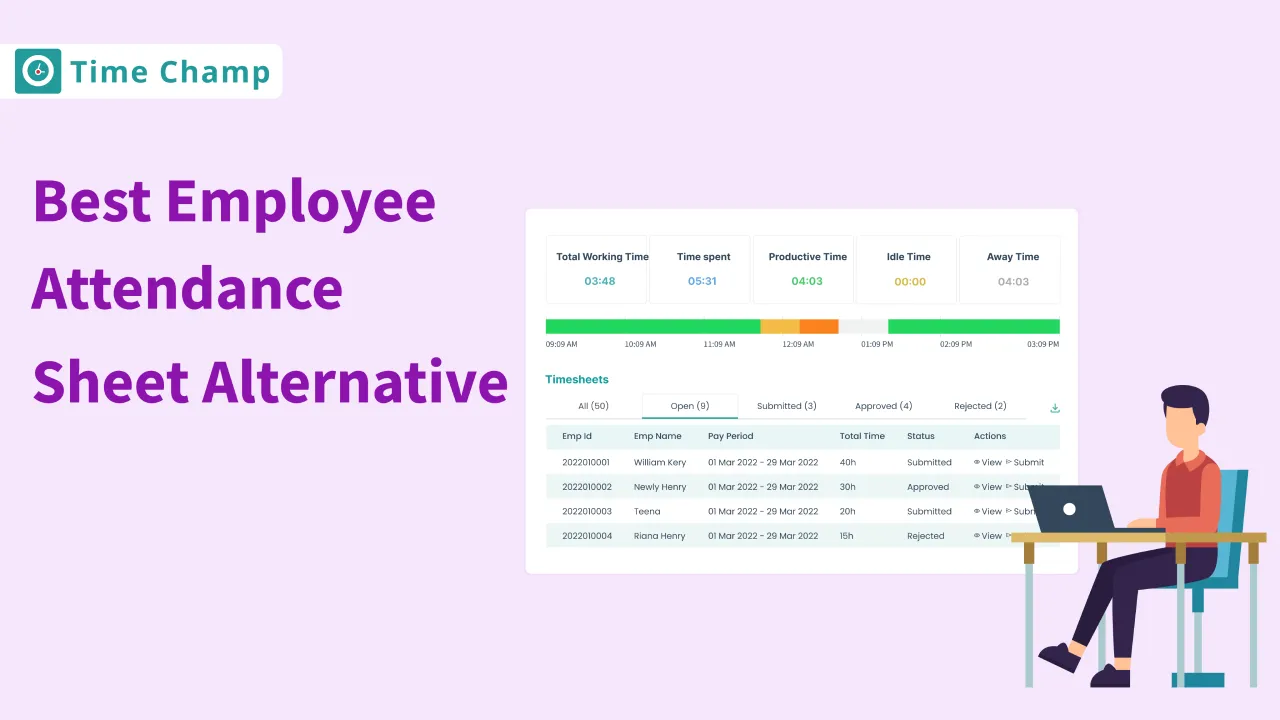
Streamlining Leave Management for employers looking to efficiently manage annual quotas and employee leave schedules, implementing tools like Time Champ can be a game-changer. Time Champ offers robust HR and leave management features that help businesses track leave balances, approve employee leave requests, and ensure that staffing levels remain optimal throughout the year.
Visit Time Champ to discover more about how this tool can simplify your leave management processes.
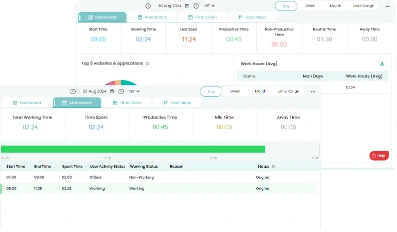
Table of Content
-
 What is the Annual Quota in the Context of Leave Policies?
-
The Dynamics of Annual Quota in Employee Leave Policies
-
Introducing Time Champ:
Related Blogs





 4.7/5 avg.
Ready to Manage Your Workforce Smarter?
Join our family of 1500+ companies using smart insights to redefine workforces!

Free Trial
No Credit Card Required