What are Work Ethics? Definition and Types
Learn what work ethics are, their key types, and how to develop strong ethical values for professional growth and success.
What are Work Ethics?
Work ethics are the group of moral principles and values that are used to guide a person’s work behaviour. It involves values, actions, and practices illustrating the values of respect, responsibility, integrity, and professionalism. As a result, work ethic is all about constantly exhibiting traits like reliability, honesty, accountability, punctuality, and diligence while performing your job.
Types of Work Ethics
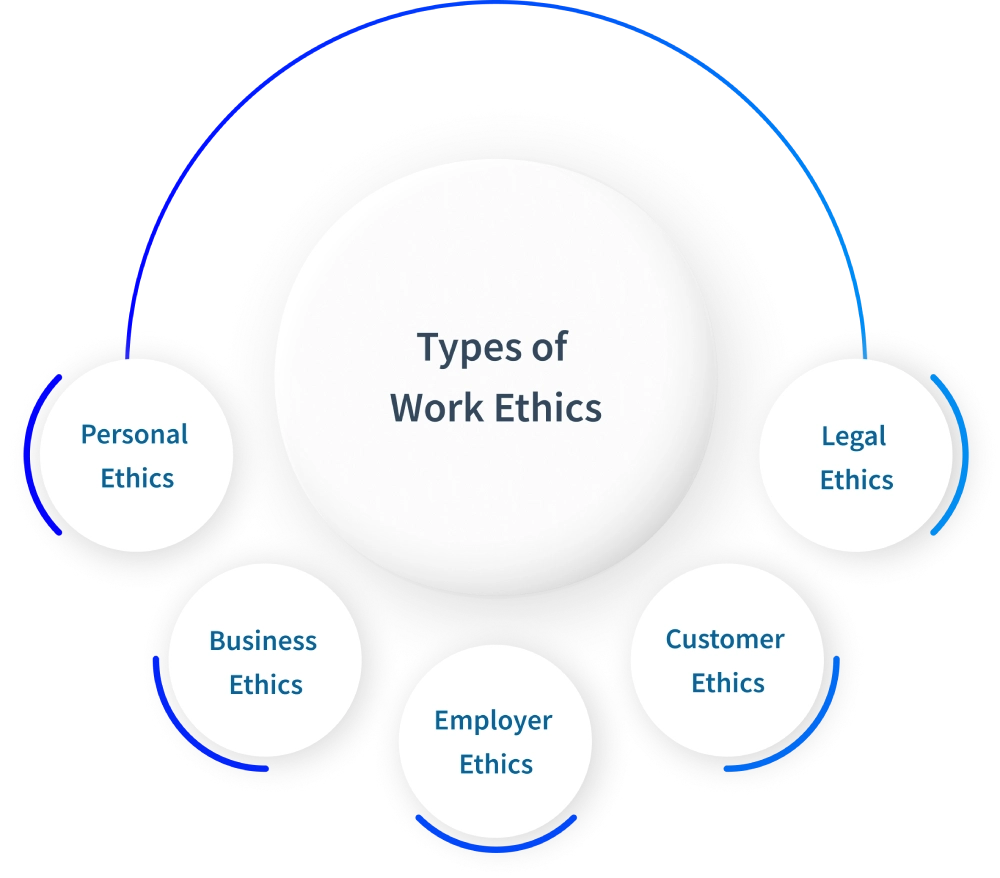
1. Personal Ethics
Personal ethics are the foundation of an individual’s principles which shape their behaviour in daily life and influence their conduct in the workplace. Values such as integrity, respect, empathy, etc. show how people interact with others and make good decisions.
For instance, a person who values integrity is more likely to be honest and transparent in business relationships. On the other hand, someone who values empathy highly may be more empathetic and understanding towards their colleagues and clients. Respect means treating others with dignity and regard, regardless of any differences in their beliefs or opinions. Impartiality, on the other hand, refers to fairness, ensuring that everyone is treated equally, regardless of their social status or background.
2. Business Ethics
Business ethics are the rules and values that guide how a company works and deals with people inside and outside the business. These rules apply to everyone, from top leaders to junior staff, and cover important areas like handling money, making fair decisions, and helping the community. In finance, ethics means avoiding things like fraud, bribery, or unfair advantages.
Social responsibility means caring for the environment and giving back to society. Good governance means being open and honest when making choices. Strong business ethics and adherence to GRC help build trust, improve the company’s reputation, and lead to long-term success by promoting honesty and fairness in everything the company does.
3. Employer Ethics
Workplace ethics are all about the values and attitudes employers demonstrate in how they treat their employees, from the hiring process to daily management. This means making sure recruitment is fair, free from bias, and inclusive of all backgrounds, whether it’s race, gender, age, or ethnicity. They make sure everyone feels good and respected at work. Organizations that uphold the best employer ethics usually put in place a good working environment that appreciates diversity, inclusion and respect for one another.
4. Customer Ethics
Customer ethics are the values that help businesses treat customers fairly and honestly. This includes being clear about products, solving problems fast, and keeping promises. Strong customer ethics help companies earn trust, build loyalty, and succeed.
5. Legal Ethics
Legal ethics are the basic rules businesses use to follow the law and keep everyone safe. This includes laws about things like jobs, contracts, customer protection, and the environment. When businesses follow legal ethics, they reduce risks, avoid costly lawsuits, and create trust with their customers, employees, and investors.
How to Develop Strong Work Ethics
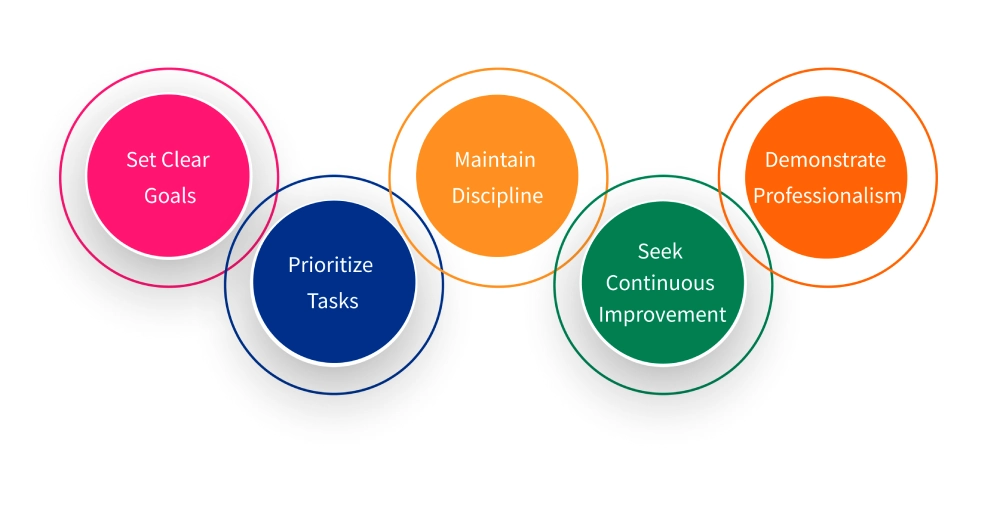
1. Set Clear Goals
Set clear and realistic goals for your tasks. Make your goals smaller and easier to do. This actually helps you stay focused and motivated by giving you a clear idea of what you’re doing. This helps you to track your progress easily and stay on the right path.
2. Prioritize Tasks
Prioritize your tasks based on their importance and urgency. Try to complete high-priority tasks first, as it maximizes your productivity and you meet deadlines effectively. Get things done on time by starting tasks early and avoid things that distract you.
3. Maintain Discipline
Make routines to help you stay focused and work better. Minimize distractions and ensure that you are keen on your work. Keep your workspace tidy to stay organized and focused. Use to-do lists, calendars, or apps to manage tasks and ensure nothing is missed.
4. Seek Continuous Improvement
Be someone who stays positive about learning and looks for ways to improve. Accept feedback, find areas to improve, and make changes that will help you grow in the future.
5. Demonstrate Professionalism
Be ethical, truthful, and professional in every single aspect of your work. Respect others, speak clearly, and be responsible for your actions. Displaying a good work ethic and a positive attitude is the key factor in earning the trust and respect of your co-workers and building a healthy and prosperous work atmosphere.

Jahnavi Pulluri

Table of Content
-
 What are Work Ethics?
-
Types of Work Ethics
-
How to Develop Strong Work Ethics
Related Blogs

Employee relations is a term that describes the kind of connections that exist between the employer and the employees of
Vijaya Lakshmi | 3 May 2024
It is the process which an employer evaluates the performance of their employees as well as their skills, competencies and
Vijaya Lakshmi | 30 April 2024
Employee referral can be defined as a recruitment method through which present employees of an organization refer or recommend candidates
Vijaya Lakshmi | 30 April 2024
Employer Identification Number (EIN) is a 9-digit unique number provided by the IRS (Internal Revenue Service) to businesses and other
Vijaya Lakshmi | 30 April 2024
The term due diligence means usually the process of collecting all available information about an investment opportunity, business deal, or acquisition and analyzing it before completing the transaction. It is
Vijaya Lakshmi | 30 April 2024
E-recruitment, also called online recruitment or internet recruitment, is the procedure of using digital technologies and online platforms to search,
Vijaya Lakshmi | 30 April 2024


 4.7/5 avg.
Ready to Manage Your Workforce Smarter?
Join our family of 1100+ companies using smart insights to redefine workforces!

Free Trial
No Credit Card Required