Differences Between Formal and Informal Communication
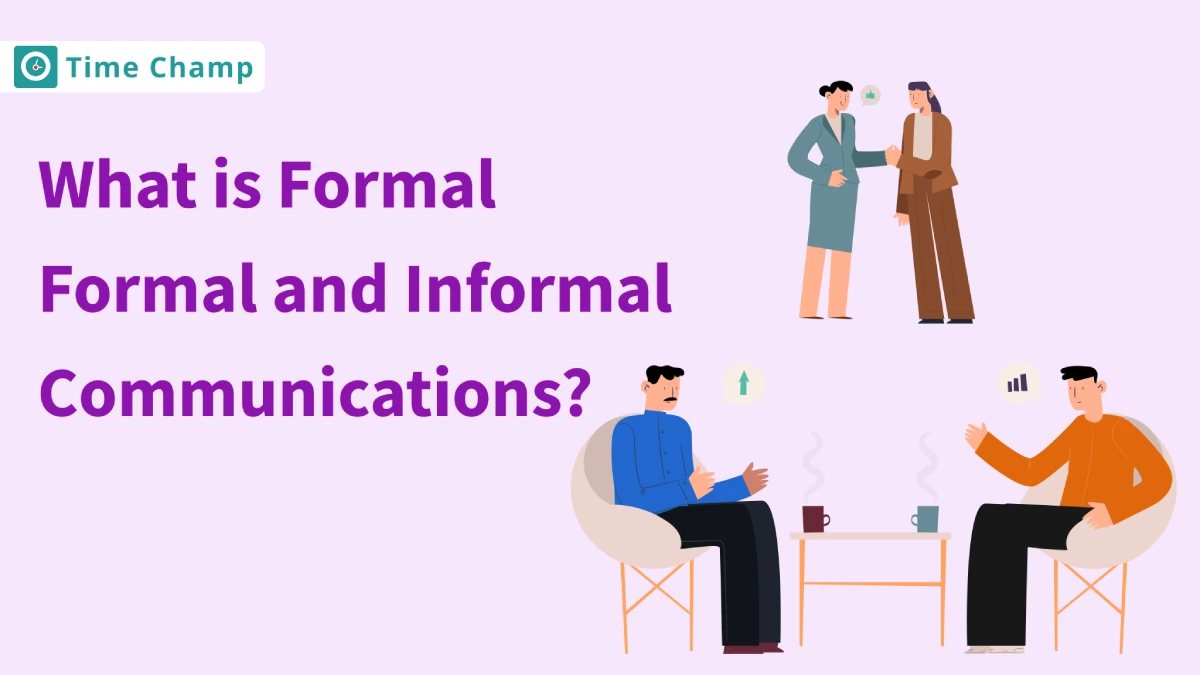
Formal communication is the process of conveying information; messages; or ideas between the organizations. The informal communication is the process of sharing, exchanging and sending messages or ideas among people.
What is Formal Communication?
Formal communication is the exchange of information that follows predefined channels, rules, and structures, typically used in professional, organizational, or official settings to ensure clarity, accountability, and record-keeping. Examples include emails, reports, meetings, memos, etc.
What is Informal Communication?
Informal communication is casual, spontaneous, and unstructured interaction that occurs naturally between people, often outside formal channels, through personal conversations, social media, or casual emails.
Formal Communication Vs Informal Communication
| Feature | Formal Communication | Informal Communication |
|---|---|---|
|
Purpose |
Convey official information and directives |
Exchange personal or non-official information |
|
Structure |
Follows a predefined structure and format |
Typically lacks a structured format |
|
Language |
Often uses professional or technical language |
Uses casual language and colloquial expressions |
|
Tone |
Generally serious and professional |
Relaxed and conversational |
|
Channels |
Utilizes formal channels such as memos, emails, meetings, reports, etc. |
Occurs through informal channels such as face-to-face conversations, phone calls, text messages, social media, etc. |
|
Audience |
Typically involves superiors, colleagues, or clients within the organization |
Usually involves friends, family, or coworkers on a personal level |
|
Feedback |
Formal feedback mechanisms are common and expected |
Feedback may be more spontaneous and informal |
|
Documentation |
Often documented for legal or record-keeping purposes |
Documentation is less common and may not be formalized |
|
Decision Making |
May influence organizational decisions and policies |
May impact personal relationships or informal group dynamics |
- Formal communication is professional, official, and follows a clear structure with established channels, while informal communication is spontaneous and casual.
- Formal communication is used for official matters and decision-making, while informal communication fosters social interaction and relationship-building.
- Formal communication has a professional and neutral tone, while informal communication is casual and may include humor.
- Formal communication uses specific, official channels (e.g., emails, and reports), while informal communication flows freely without set guidelines.
- Formal communication is usually written or recorded, whereas informal communication is typically oral or non-verbal.
- Formal communication is time-sensitive with deadlines, whereas informal communication is flexible and not bound by strict timelines.
- Formal communication is detailed and clear, while informal communication is brief and less precise.
- Formal communication targets specific individuals or groups, often those in authority, whereas informal communication can involve anyone, including peers or outsiders.
- Formal communication impacts policies and decisions, while informal communication affects work culture and relationships.
Types of formal communication
1. Written Communication:
- Memorandum (Memo)
- Reports
- Letters
- Policies and Procedures
2. Verbal Communication:
- Meetings
- Presentations
- Briefings
- Interviews
3. Official Documentation:
- Contracts
- Agendas and Minutes
- Organizational Chart
Types of Informal Communication
- Single strand
- Gossip chain
- Probability chain
- Cluster chain
People also look for
What is Corporate Communication?
What is Grapevine Communication? Types & Examples

Jahnavi Pulluri

Table of Content
-
 What is Formal Communication?
-
What is Informal Communication?
-
Formal Communication Vs Informal Communication
-
Types of formal communication
-
Types of Informal Communication
-
People also look for
Related Blogs

Find out how to calculate overtime pay with simple steps and ways to track work hours accurately for precise billing.
Shabana Shaik | 8 October 2024
Learn about top insider threat detection tools to protect your business. Check out our expert recommendations now.
Shabana Shaik | 2 August 2024
Explore coffee badging, a rising trend in businesses, and its impact on productivity and workplace dynamics, along with ways to
Shabana Shaik | 27 July 2024
Want to improve employee performance and retention? A strong performance appraisal system can make all the difference. See how to
Shabana Shaik | 24 June 2024
Discover why a performance review template is important for your business to improve the evaluation process for the development of
Jahnavi Pulluri | 21 June 2024
Explore the contrast between HR analytics and people analytics. Learn how each provides valuable insights for smarter workforce decisions.
Shabana Shaik | 13 June 2024


 4.7/5 avg.
Ready to Manage Your Workforce Smarter?
Join our family of 1100+ companies using smart insights to redefine workforces!

Free Trial
No Credit Card Required